


Just as a Formula 1 pit stop can change the outcome of a race in seconds, today’s quick wash cycles transform the way Indian households manage time, energy, and daily chores turning laundry from a half-day task into something you can finish before your tea gets cold.
Why speed matters in modern Indian homes
Think about this.
A pit stop in F1 lasts just 2–3 seconds. In that blink, tyres are changed, cars are fuelled, and strategy is rewritten.
Now shift the scene to an Indian home. You have office deadlines, kids’ uniforms stained from play, and a dinner party where the tablecloth suddenly needs an urgent wash. You don’t have half a day to run a long cycle. You need the household equivalent of a pit crew.
That’s where quick wash cycles come in. Machines that once demanded 90–120 minutes now deliver fresh, wearable clothes in 15–30 minutes.
The parallel isn’t just playful, it’s instructive. Speed isn’t about rushing. It’s about designing systems that respect the rhythm of modern life.
From laundry drudgery to lifestyle efficiency
Laundry used to be a “weekend-only” ritual. Wash, dry, iron all lined up for Sunday afternoons.
But lifestyles have shifted.
- Millennial and Gen Z professionals are living in fast-paced metros, where a quick turnaround between gym clothes, office formals, and party outfits is essential.
- Parents are navigating school stains, festival wear, and daily linens.
- Couples setting up new homes want appliances that keep up with unpredictable schedules, not slow them down.
In short: Laundry isn’t just about cleaning clothes anymore. It’s about how quickly you can get back to life.
Lessons from F1: speed without compromise

A pit stop isn’t just fast, it’s precise. The tires aren’t just thrown on. They’re fitted perfectly, tested instantly, and designed to last the next laps.
Quick wash cycles follow the same principle. The goal isn’t just speed for speed’s sake. It’s to:
- Maintain fabric care even in shorter cycles.
- Optimise water and energy use rather than waste it.
- Fit seamlessly into life without creating new problems.
The hidden system here: efficiency isn’t about doing less. It’s about doing the right things, faster.
How quick wash cycles reshape daily routines
Let’s zoom into some real scenarios:
- Morning rush: A forgotten kurta needed for an office meeting? A 15-minute refresh cycle makes it wearable without panic.
- Post-gym hygiene: Sweaty gym clothes tossed in after your evening workout? Quick wash ensures freshness before the next session.
- Festive crunch: Family coming over and the cushion covers look dull? A short wash while you prep snacks brings them back to life.
In each case, speed is not just a convenience. It’s peace of mind.
The Haier connection: everyday pit stops at home
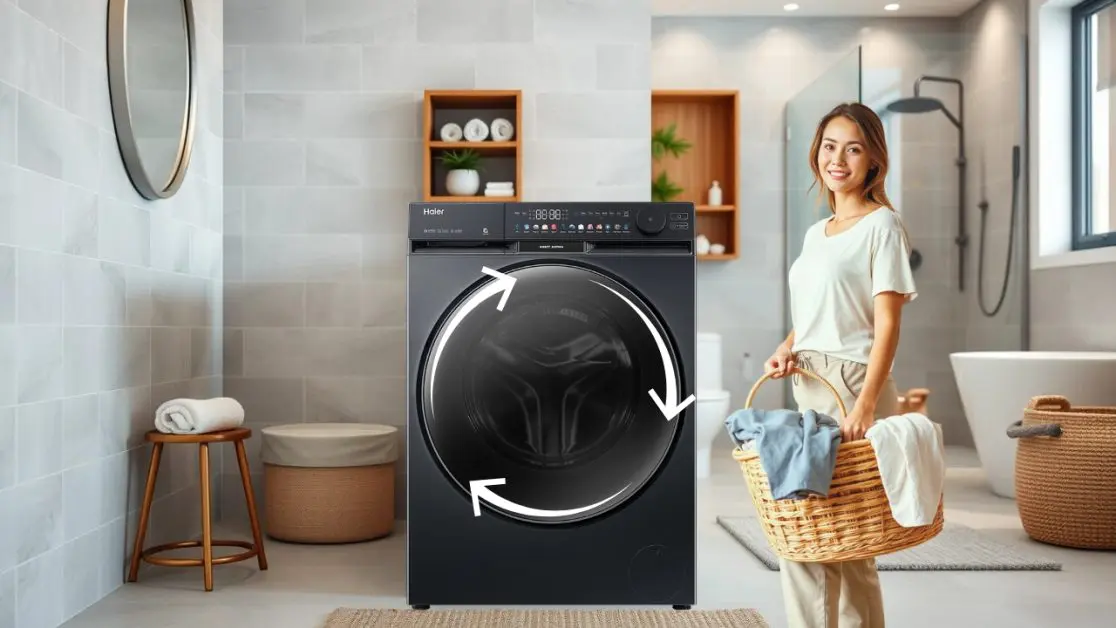
Haier’s latest front-load machines like the 12 Kg Front Load Washing Machine (HW120-DM14F9BKU1) bring this pit stop mindset home.
Key highlights:
- One-Touch AI Wash: Auto-senses fabric type, load, and dirt level.
- Night Wash: Operates silently, so your laundry runs even while you sleep.
- Quick 15 Program: A lifesaver when time really is short.
This isn’t marketing fluff. It’s what makes the difference between rushing out the door in frustration and stepping out calm, clean, and sorted.
Speed and sustainability: can they co-exist?

Here’s the bigger question. Is faster always better? Or does speed come at the cost of sustainability?
In F1, every millisecond saved has to be weighed against tyre wear, fuel load, and long-term race strategy.
In Indian homes, the same logic applies:
- Quick washes use less water and energy than traditional long cycles.
- Modern motors like Haier’s Direct Motion Motor reduce vibration and save power.
- Steam refresh cycles extend clothing life, cutting down on fast-fashion waste.
So yes, speed and sustainability can co-exist when technology is designed with both in mind.
The psychology of instant results
Why does a 15-minute wash feel so powerful? Because waiting is emotional.
- Waiting makes chores feel heavier.
- Quick completion sparks motivation.
- Fast outcomes free mental space.
In behavioural science, this is called the “instant gratification loop.” The faster the payoff, the more likely people are to repeat the behaviour. That means laundry shifts from dreaded tasks to manageable habits.
When speed should slow down
But not everything belongs in a quick cycle. Heavy bedding, deeply soiled garments, or allergy-care washes still need longer, more thorough programs.
Think of it like F1 again. Pit stops are short, but races are long. The strategy isn’t about always going fast, it’s about knowing when to go fast.
For homes, that means:
- Using quick wash for light refreshes.
- Saving deep cycles for heavy loads.
- Choosing the right program for each scenario.
Balance creates both efficiency and care.
The bigger cultural shift: time as a luxury

Look around. From 10-minute grocery deliveries to instant digital payments, India is in a race for time.
Quick wash cycles aren’t just a product feature. They’re part of a larger cultural truth: time is the new currency.
And households that reclaim even 30 minutes a day discover something profound.
- More time for a walk with kids.
- More time for a phone call with parents.
- More time to simply rest.
Efficiency isn’t about doing more. It’s about creating space to live better.
Practical takeaways for Indian households
Here’s how families and individuals can treat their laundry like an F1 pit stop:
- Match cycles to need – Don’t default to long washes when a quick cycle will do.
- Leverage night wash – Run silent cycles overnight to save prime time hours.
- Use refresh programs – Reduce ironing time with wrinkle-cutting steam care.
- Plan like a pit crew – Sort clothes in advance so you’re not scrambling at wash time.
- Invest in durable machines – Look for long motor warranties and smart AI features that reduce guesswork.
A quick comparison: pit stops vs. quick wash cycles
| Factor | F1 Pit Stop | Quick Wash Cycle (Home) |
| Time taken | 2–3 seconds | 15–30 minutes |
| Goal | Change tyres, refuel, reset strategy | Refresh clothes, save time, reduce stress |
| Precision | Coordinated pit crew | AI sensors + efficient drum design |
| Energy efficiency | Fuel load optimisation | Reduced water + power usage |
| Outcome | Stay competitive in race | Free up time in everyday life |
What this means for the future of homes
The lesson is clear: appliances are no longer about brute force. They’re about intelligence, precision, and empathy for daily life.
Just as F1 has become the testing ground for technologies that end up in road cars, today’s washing machines are becoming the testing ground for how we balance speed, care, and sustainability at home.
Quick wash cycles aren’t just about laundry. They’re about how Indian households define success: not just working harder, but living smarter.
Final thought
The best systems whether on a racetrack or in a kitchen are invisible when they work. They don’t scream for attention. They simply make life smoother, faster, and more enjoyable.
That’s what a quick wash cycle is. A tiny pit stop in your day. One that buys back time, reduces stress, and reminds you that technology is at its best when it gives you your life back.