


The season of chai and pakoras comes with one hidden villain.
Rainy days in India don’t just dampen streets, they dampen routines.
Every household knows this scene: clothes hanging on every chair, balcony packed with damp jeans, the unmistakable smell of half-dried laundry spreading through the room.
It’s not just an inconvenience. It’s an emotional weight. A pile of wet laundry on a rainy day feels like life itself has paused.
But what if the weather didn’t control your laundry? What if you had a cycle designed for this exact season?
Why rain turns laundry into a daily struggle

The monsoon has its rituals: muddy shoes, wet umbrellas, slippers at the door. But the real struggle sits in your washing basket.
Let’s break it down:
- Sunlight shortage – The natural dryer in most Indian homes simply disappears.
- Moisture in the air – Even if you hang clothes inside, the air is too humid for them to dry properly.
- Smell problem – Half-dry fabrics quickly pick up that musty, unpleasant odour.
- Pile-up stress – With every rain, the basket fills faster than it empties.
The result? Families compromise. Some wear half-dry clothes, some rewash everything, some keep adding to the pile hoping for one sunny afternoon. None of these are real solutions.
The hidden cost of damp laundry
It’s easy to dismiss damp clothes as a seasonal annoyance. But the cost runs deeper.
- Health cost – Wet fabrics attract bacteria and fungus, especially towels and bedsheets. That smell is more than inconvenient, it’s unhygienic.
- Emotional cost – Nothing feels worse than pulling out a favourite kurta or uniform and realising it’s still wet. It delays mornings, frustrates parents, and creates tension.
- Time cost – Rewashing or waiting for sun is not just about laundry, it’s about hours of family time lost.
Laundry, in many Indian households, is invisible labour. And rain doubles that labour.
One smart cycle changes everything
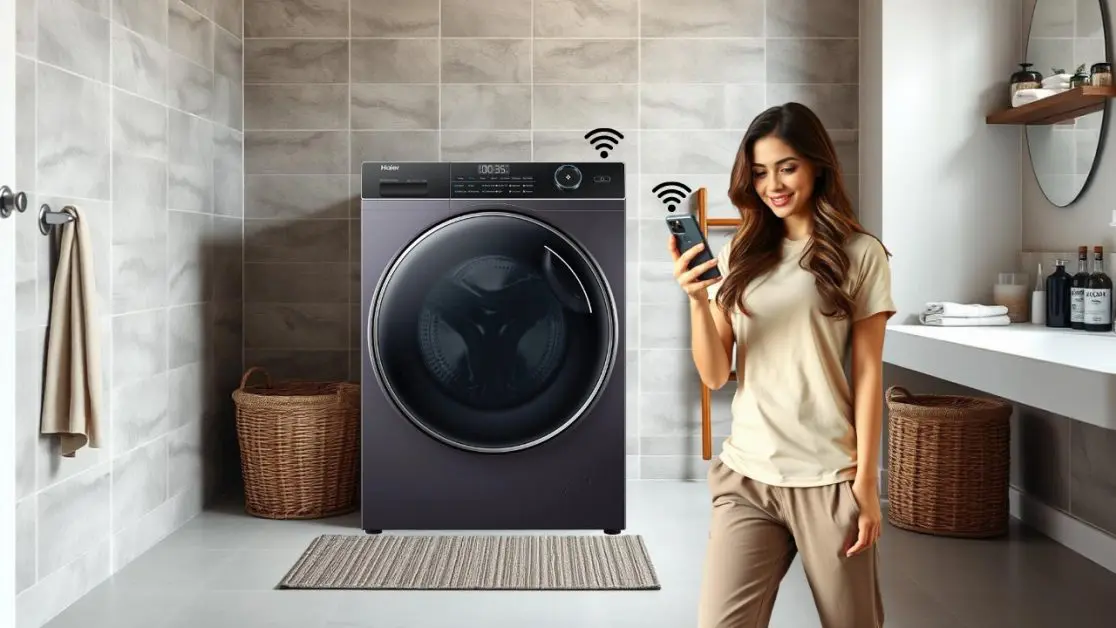
This is where technology quietly steps in. Today’s washing machines aren’t just about removing dirt, they’re about solving life’s small frictions.
Haier’s “Refresh” and “Quick Dry” cycles are designed exactly for this rainy-day bottleneck.
Think about it:
- Built-in drying means you don’t need to pray for sunlight.
- Humidity control in the cycle ensures clothes come out nearly ready to wear.
- Special refresh settings remove odours from clothes that were washed but stayed damp too long.
The beauty lies in timing. A cycle that finishes in under an hour can rescue school uniforms, gym wear, or office shirts when the rain refuses to stop.
Real scenarios Indian households will recognise
- The school uniform crisis – It’s 7 am, the rain hasn’t stopped since last evening, and your child’s only uniform shirt is still damp. One refresh cycle, and it’s dry, odour-free, and iron-ready.
- The bachelor’s rescue – For those living alone, the rainy laundry pile becomes a mountain fast. With quick cycles, one load in the morning means fresh clothes for the office by noon.
- Parents hosting guests – Nothing is more embarrassing than handing damp towels to visiting relatives. A smart cycle ensures you always have fresh linens on standby.
These aren’t luxuries, they’re everyday wins that add up.
The psychology of “done”
Here’s the truth: laundry is less about clothes and more about closure.
A finished load that is washed and dried gives a sense of completion. Rain disrupts that. Clothes hanging for two days are a constant reminder of unfinished chores.
A machine that closes the loop from wash to wear gives families peace of mind. The relief is less about convenience and more about control.
Systems that finish what they start free up mental space for the things that matter.
Why Haier feels built for Indian monsoons
Every brand talks about innovation. But innovation only matters when it meets lived realities.
Haier’s washing machines bring small but powerful features into play:
- PuriSteam technology that not only dries but refreshes fabrics, removing wrinkles and bacteria.
- High spin speed cycles that pull out more water, reducing drying time drastically.
- AI-driven fabric care that senses load type so your silks, cottons, and synthetics get customised treatment.
- Energy-efficient quick wash options that save electricity even as they save your rainy day.
Notice something? None of these are futuristic gimmicks. They’re answers to the exact problems every Indian family faces between June and September.
Systems thinking: laundry as a lifestyle upgrade
The point isn’t just that Haier has a rainy-day cycle. The point is bigger.
Smart appliances change the rhythm of households.
When laundry no longer depends on sunlight, balconies are freed for plants, kids, or quiet tea sessions. When cycles finish faster, parents reclaim evenings. When damp odour disappears, confidence returns to routines.
This is how technology actually reshapes culture. Not through flashy features, but through silent shifts in how we live.
Choices households face on rainy days
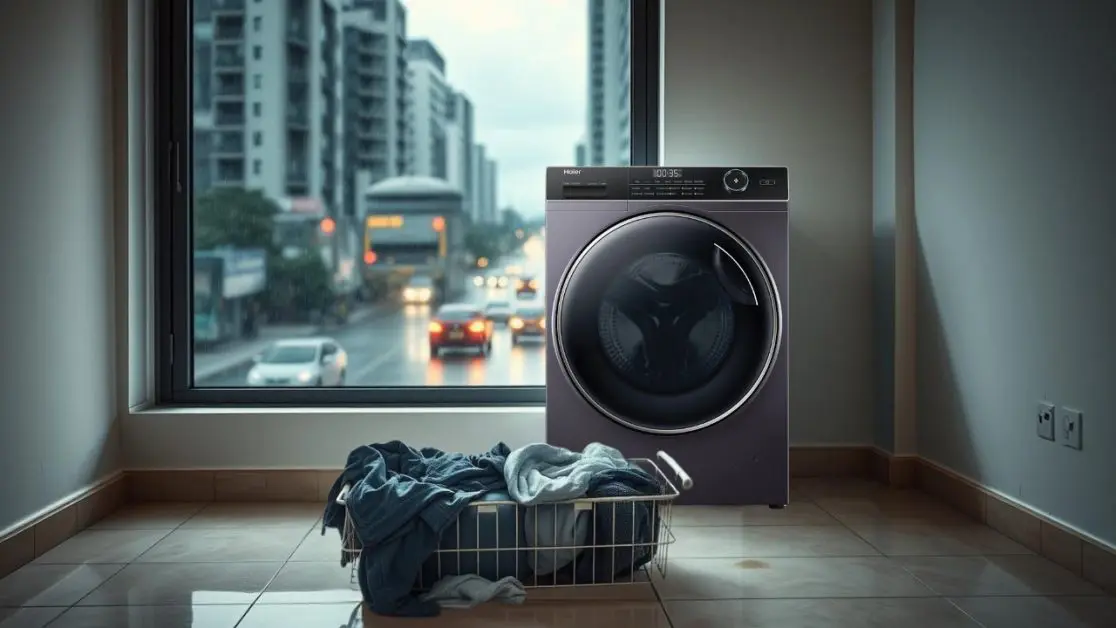
Let’s look at the options systematically:
- Do nothing and wait – Clothes pile up, routines break, frustration rises. Cost: time + energy + hygiene.
- Depend on outside drying services – Expensive, inconsistent, and impractical for daily use. Cost: money + lack of control.
- Use old hacks – Ironing damp clothes, running fans, placing near heaters. Cost: risk + electricity waste + uneven results.
- Switch to a rainy-day cycle in a modern washer – Economical in the long run, hygienic, and dependable. Cost: upfront appliance investment, but returns daily peace of mind.
The smart choice isn’t hard to see.
A memory every Indian family shares
Everyone remembers that moment: pulling a half-dry shirt over your head on a rainy morning, feeling the chill of damp fabric stick to your skin.
That memory is universal. But it doesn’t have to be permanent.
Technology at its best erases old inconveniences. Just as smartphones ended the landline wait, rainy-day cycles end the laundry pile-up.
The bigger picture: freedom from weather
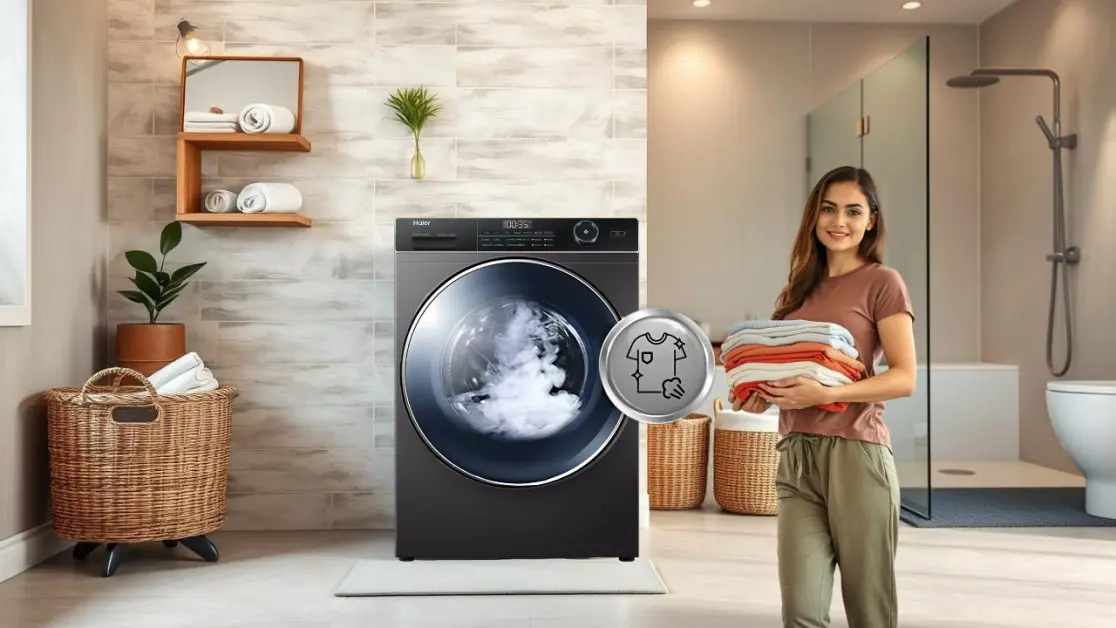
In many ways, smart laundry is a metaphor for modern living.
Rain no longer dictates our schedules. Neither does summer heat or winter chill. Appliances that anticipate seasons give households a kind of independence that earlier generations never had.
It’s not about luxury. It’s about dignity choosing routines that work for us, not against us.
Final thought: let the rain be rain
Rain should mean poetry, chai, and quiet evenings. Not damp clothes.
When laundry doesn’t pile up, the monsoon regains its beauty. And that’s what a rainy-day cycle offers not just dry shirts, but dry relief.
Because technology isn’t about machines. It’s about restoring seasons to their joy.