

Simple laundry solutions are not about doing less laundry. They are about designing systems that reduce friction, decisions, and wasted time.
For busy Indian households, the goal is not perfection. It is predictability. Clothes get cleaned on time, with less effort, and without stealing energy from already packed days.
That is the real win.
The invisible problem with modern laundry
Laundry rarely feels like one task.
It feels like ten.
Sorting. Timing. Detergent decisions. Water worries. Noise concerns. Forgetting a cycle midway. Rewashing because something smelled off. Folding late at night when you are already tired.
For working couples, young parents, and solo professionals, laundry becomes background stress.
Not because washing clothes is hard.
But because the system around it is inefficient.
When systems fail, people compensate with effort.
And effort does not scale.
Busy households do not need faster people. They need smarter systems
Every Indian home has a rhythm.
Morning rush.
Midday silence.
Evening chaos.
Late night recovery.
Laundry often fights this rhythm instead of fitting into it.
The smarter approach is not asking, “How do I finish laundry faster?”
It is asking, “Where does laundry naturally fit into my day?”
That shift changes everything.
The three laundry styles most homes fall into
Before choosing solutions, it helps to recognise patterns. Most households fall into one of these.
1. The Weekend Batcher
All laundry piles up till Saturday. Machines run back to back. Energy spikes. Fatigue follows.
2. The Daily Micro Washer
Small loads almost every day. Lower pileups. But higher water use and decision fatigue.
3. The Reactive Washer
Laundry happens only when something runs out. Often late. Often rushed.
None of these are wrong.
But each has hidden costs.
Smarter laundry solutions reduce those costs quietly.
The biggest laundry upgrade is removing decisions
Decisions drain energy faster than work.
Which cycle?
How much water?
What temperature?
Is this fabric delicate?
When machines ask too many questions, users delay starting.
That is why automation matters more than speed.
Modern washing machines that sense load, fabric type, and dirt level automatically remove these micro decisions.
One touch.
One process.
Predictable results.
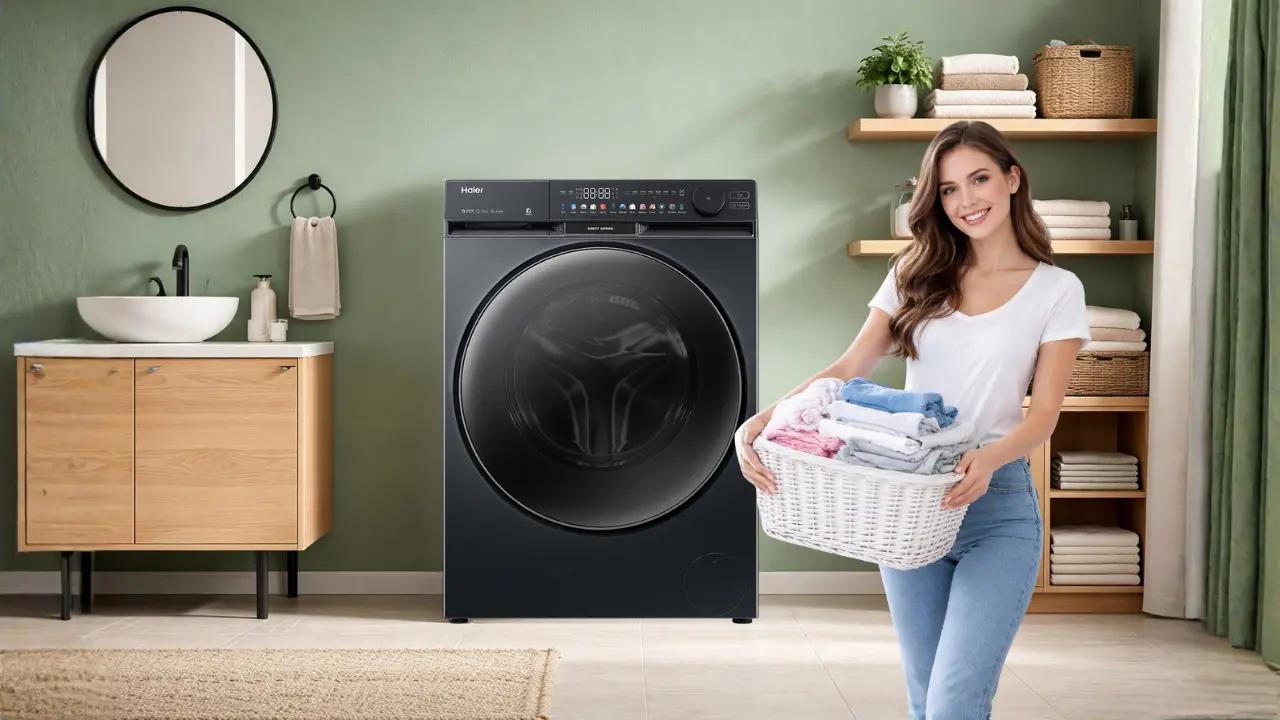
Machines like the Haier front load series with One Touch AI Wash are designed around this idea. The system adapts instead of demanding attention, which is especially useful in homes where laundry is done between meetings, school runs, or late evenings .
The insight is simple.
When laundry stops asking questions, people start on time.
Why capacity matters more than most people realise
In Indian homes, laundry loads are uneven.
School uniforms on weekdays.
Bedsheets midweek.
Festive wear occasionally.
Heavy winter clothes all at once.
Smaller machines force more cycles.
More cycles mean more planning.
Larger capacity machines allow flexibility.
A 10 kg or 12 kg front load washer lets households combine loads intelligently instead of spreading them across days. This reduces water usage, electricity cycles, and time spent waiting around machines.
The Haier 12 kg front load washing machine, for example, is designed for these mixed-load realities, especially in households with children or frequent guest cycles .
Capacity is not about size.
It is about fewer interruptions.
Noise control is not a luxury. It is a lifestyle feature.
Many households avoid running laundry at night.
Not because they do not want to.
But because machines are loud.
This forces laundry into peak hours, exactly when families are busiest.
Silent or low vibration motors change this dynamic.
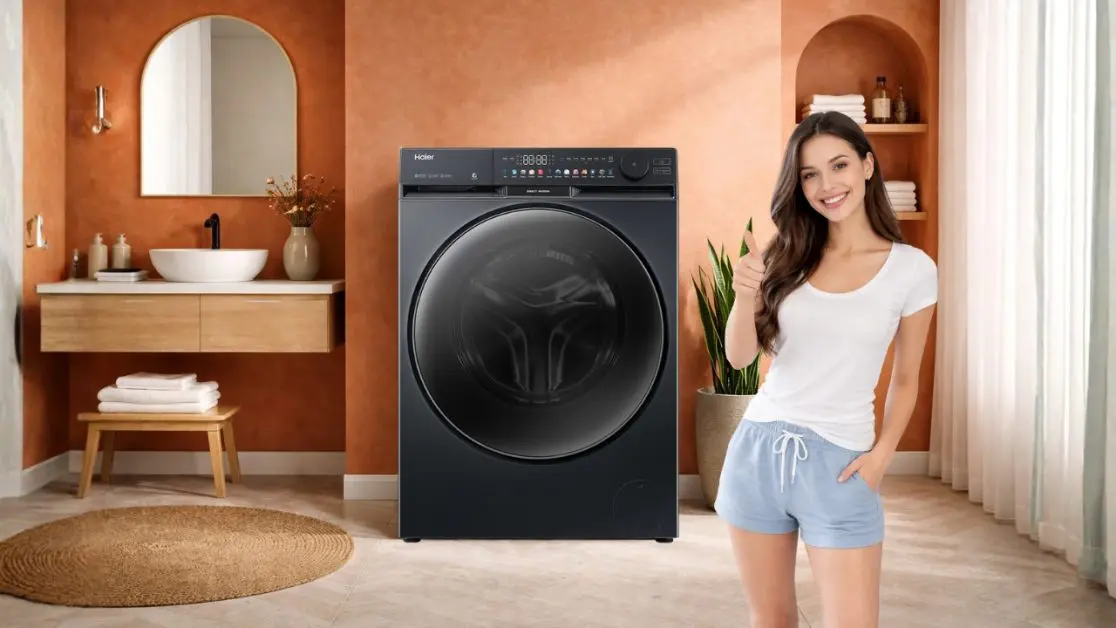
When machines run smoothly with reduced noise, laundry moves into low stress windows like late night or early morning. This is especially important in apartments, shared walls, or homes with sleeping children.
Direct Motion motors, which connect directly to the drum, reduce vibration and noise while improving energy efficiency. This allows laundry to exist in the background instead of dominating attention.
Quiet systems respect time boundaries.
Steam, hygiene, and fewer rewashes
Rewashing is the most underestimated time drain.
Clothes look clean but smell off.
Wrinkles force ironing.
Delicates lose shape.
Steam refresh programs reduce this friction.
They refresh lightly worn clothes, reduce odour, and cut wrinkles without full wash cycles. That means fewer complete washes, less detergent use, and less time spent ironing.
For busy households, this is not about luxury.
It is about reducing repeat work.
The fewer times you redo laundry, the more time you reclaim.
Energy saving is not just about bills. It is about predictability
Households track electricity more closely now.
Not because of awareness campaigns.
But because bills fluctuate.
Energy efficient washing machines stabilize this uncertainty.
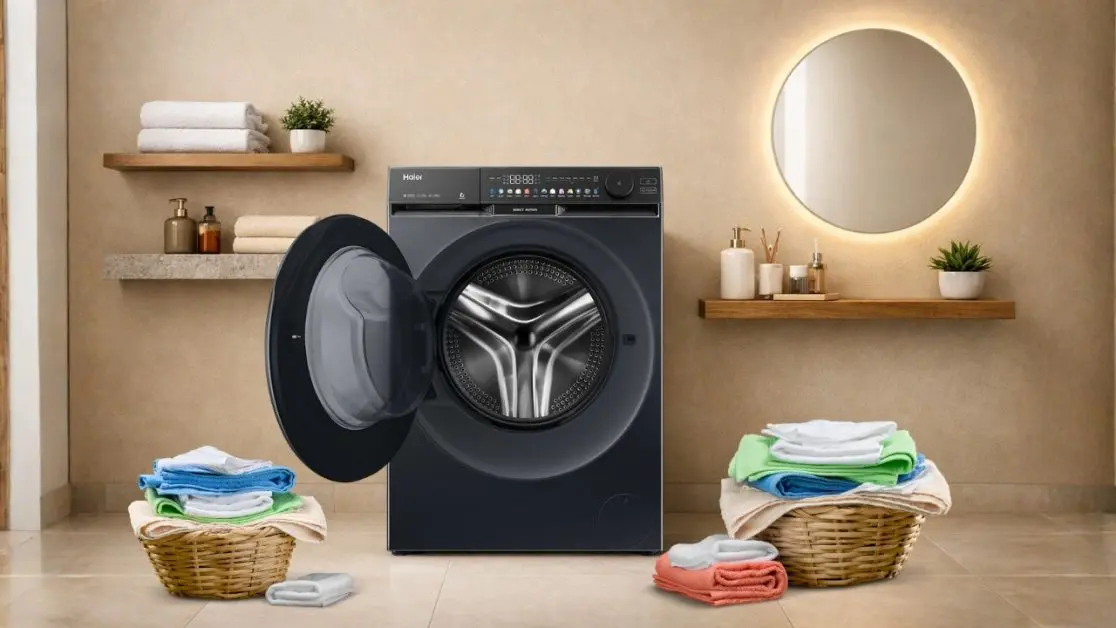
Smart weighing systems adjust water levels and wash time based on load size. This avoids overuse and reduces guesswork.
Predictable energy usage makes planning easier.
Especially in homes already juggling multiple appliances.
When systems self-regulate, people relax.
The hidden benefit of connected appliances
Smart connectivity often sounds optional.
Until you use it.
Remote start, cycle notifications, and completion alerts remove the need to hover around machines. You do not wait. You move on.
Laundry becomes asynchronous.
You start a cycle before stepping into a meeting.
You get notified when it finishes.
You act when it fits your schedule.
This shift matters.
Time saved is not minutes.
It is a mental space.
Simple laundry solutions work best when paired with simple habits.
Technology helps.
But systems need habits.
Here are three that work consistently.
- Anchor laundry to routines
For example, start a cycle after dinner or before morning walks. - Standardise detergent use
One brand. One scoop size. No guesswork. - Empty machines immediately
Not later. Not tomorrow. Immediately.
These small rules prevent pileups.
Consistency beats intensity.
The bigger pattern at work
Laundry is not a household chore problem.
It is a systems design problem.
When machines demand attention, people procrastinate.
When systems adapt, habits stick.
The same logic applies across homes.
Smarter refrigerators reduce food waste.
Efficient ACs stabilize comfort.
High quality TVs turn downtime into recharge time.
Haier’s approach across categories reflects this thinking. Appliances are designed to blend into daily life, not interrupt it.
The goal is not more features.
There are fewer disruptions.
The future of laundry feels boring. And that is a good thing.
The best systems are invisible.
Laundry finishes without reminders.
Clothes come out ready.
Bills stay predictable.
Noise stays low.
Nothing dramatic happens.
And that is exactly the point.
When laundry stops demanding attention, households focus on things that matter more.
Work.
Family.
Rest.
Simple laundry solutions are not about machines doing more.
They are about people thinking less.
And in busy homes, that is the most valuable upgrade of all.
Frequently Asked Questions
My clothes look clean but smell weird. Why does this keep happening?
Incomplete rinsing, overloading, or leaving clothes inside too long causes odour. Rewashing is often the result of poor system design, not personal neglect.
Why do my delicates lose shape even when I’m careful?
Machines that don’t sense fabric type rely on generic agitation. Automated load and fabric detection adjusts movement and water more accurately.
How does One Touch AI Wash actually help me day to day?
You press one button. The machine adapts. You don’t think. That’s the upgrade.
How does a 10–12 kg washer actually save time and energy?
By combining mixed loads intelligently. Fewer runs mean less water use, fewer electricity spikes, and less planning.
What’s the real benefit of Direct Motion motors?
Less vibration, less noise, better efficiency and laundry that stays in the background.