
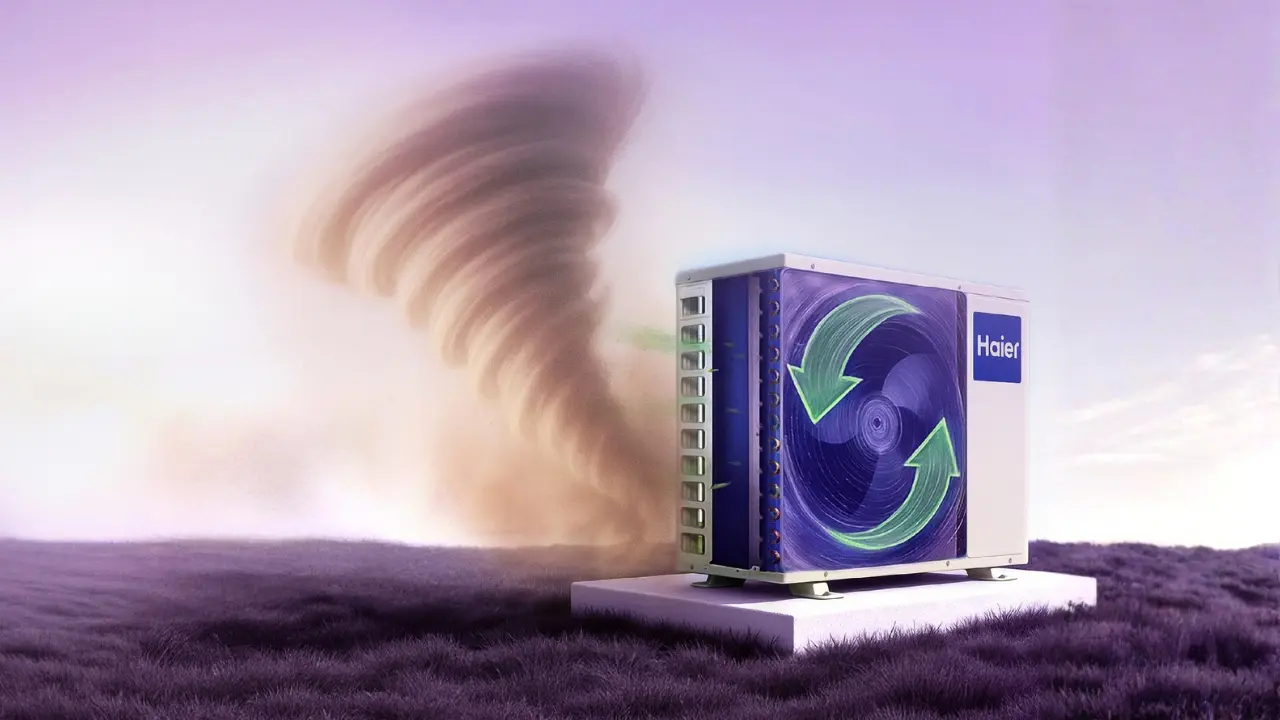

Outdoor unit cleanliness directly affects how efficiently your air conditioner releases heat.
When dust, grease, leaves, or pollution clog the outdoor coils, the system works harder, consumes more electricity, cools slower, and ages faster.
A clean outdoor unit keeps cooling consistent, energy bills predictable, and comfort uninterrupted.
Now let us slow down and look at why this matters in real homes.
The forgotten box outside your home
It is easy to care about what you see.
The indoor AC looks sleek. You wipe it before guests arrive. You clean the filters every few weeks. You notice when something feels off.
The outdoor unit sits outside. On balconies. On terraces. In narrow shafts. Near dusty roads. Under pigeons. Next to construction sites.
Out of sight becomes out of mind.
That is where the problem begins.
What the outdoor unit actually does
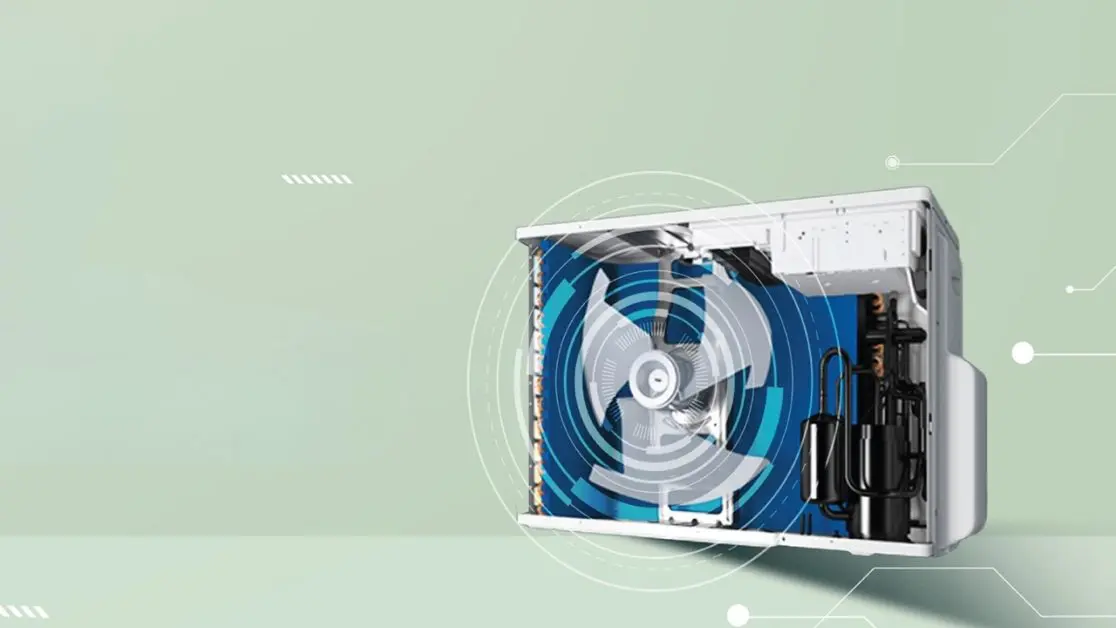
The outdoor unit is not optional hardware. It is the engine room.
Its core job is simple to describe and critical to execute.
- Pull heat out from inside your home
- Release that heat outside through condenser coils
- Keep the refrigerant cycle moving smoothly
If heat does not escape efficiently, cooling inside suffers.
Think of it like breathing. If your nose is blocked, everything feels harder.
Dust changes the rules of the system
Dust is not just cosmetic.
It behaves like insulation in the worst way possible.
When dust and grime settle on condenser coils:
- Heat transfer slows down
- Compressor works longer per cycle
- Electricity consumption increases
- Cooling feels delayed or uneven
According to HVAC efficiency studies, dirty condenser coils can increase energy usage by up to 15 percent while reducing cooling capacity at the same time.
More effort. Less result.
That is a bad trade.
Indian conditions make this problem worse
Outdoor units in India live a tougher life than most.
Consider the environment:
- High dust levels in urban areas
- Construction almost everywhere
- Coastal salt air in many cities
- Extreme summer temperatures crossing 45°C
- Monsoon moisture trapping dirt
A clean coil in March rarely stays clean till May.
This is not neglect. It is physics meeting reality.
The silent cost you pay every month
Most households notice rising electricity bills before anything else.
The assumption is simple.
The AC is old. Or summers are hotter. Or tariffs went up.
Sometimes all of that is true.
Often, the outdoor unit is just struggling to breathe.
Here is what happens quietly:
- Compressor runs longer to achieve set temperature
- Power draw spikes during peak hours
- Room cools slower, so you lower the temperature further
- System never truly rests
It is a feedback loop. And it costs money.
Performance is not just about cooling speed
Cooling speed is only one signal.
Outdoor cleanliness affects multiple performance layers at once:
- Temperature stability: Dirty coils cause frequent fluctuations
- Noise: Strained compressors tend to sound louder over time
- Component life: Heat stress accelerates wear
- Breakdown risk: Overheating increases failure probability
Clean systems age gracefully. Dirty systems age loudly.
Manual cleaning is not as simple as it sounds
Many people know outdoor units need cleaning.
Few do it regularly.
Why?
Because manual outdoor cleaning is:
- Hard to access in apartments
- Risky without proper tools
- Dependent on service schedules
- Often skipped during peak season
Most servicing focuses on indoor filters because that is easy and visible.
The outdoor unit waits.
This is where systems thinking matters
Modern appliances are not single features stitched together.
They are systems.
If one part underperforms, the whole experience degrades.
A powerful inverter cannot compensate for blocked coils.
Smart sensors cannot override heat physics.
AI algorithms still depend on airflow.
Cleanliness is not maintenance. It is performance architecture.
Self-cleaning outdoor units change the equation
Some newer air conditioners acknowledge this reality.
Instead of expecting perfect human behavior, they design around real-world neglect.
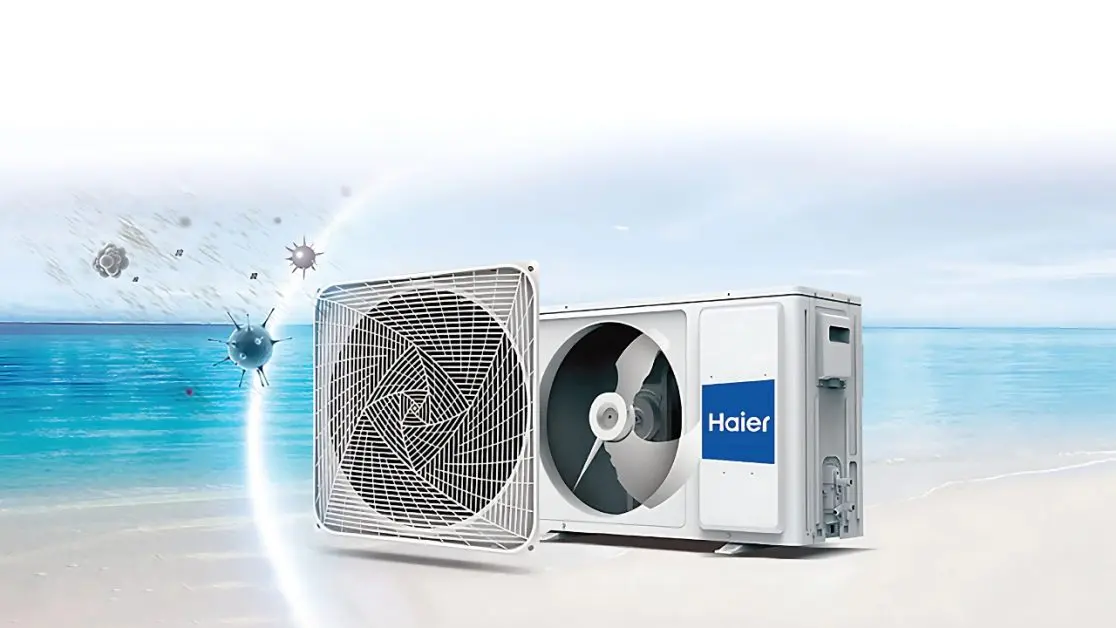
For example, Haier’s AI-powered Atmox platform includes AI ODU Cyclone Clean, a system that reverses airflow after shutdown to blow away dust from the condenser coils automatically.
What this does differently:
- Removes dust before it hardens
- Preserves heat exchange efficiency
- Reduces manual servicing dependency
- Keeps performance closer to day-one levels
This is not convenient. It is system resilience.
Why cleaner coils mean smarter energy use
Energy efficiency is not a label. It is behavior over time.
Cleaner outdoor units allow:
- Faster heat dissipation
- Shorter compressor cycles
- Stable power draw
- Less peak load stress
That means:
- Lower monthly bills
- Less wear on electrical components
- Better performance during extreme heat
Efficiency is not magic. It is friction reduction.
The compounding benefit most people miss
Here is the part few talk about.
Clean outdoor units improve indoor comfort indirectly.
Because when the system is not strained:
- Temperature feels more even
- Humidity control improves
- Cooling does not overshoot
- Rooms feel comfortable without constant adjustment
Comfort becomes consistent.
Consistency builds trust.
Three choices every homeowner faces
When it comes to outdoor unit cleanliness, there are only three real options.
One option is to ignore it.
This is common. Bills rise. Cooling feels weaker. Servicing becomes reactive.
The second option is manual discipline.
Scheduled servicing. Regular reminders. Physical access challenges.
The third option is design-led automation.
Systems that clean themselves because they know humans forget.
Each option has a cost.
Only one compound benefits without effort.
Why this matters beyond your living room
Energy efficiency at scale is built from small decisions.
Millions of outdoor units struggling across cities means:
- Higher grid load during peak summers
- More frequent power cuts
- Greater carbon impact per household
Clean systems are not just personal wins. They are a collective relief.
The quiet lesson hidden in all of this
Good design assumes reality, not ideal behavior.
Outdoor unit cleanliness is not about being a better homeowner.
It is about smarter systems that reduce dependency on perfect habits.
The best appliances do not demand attention.
They earn trust by staying invisible.
What to remember the next time your AC feels off
Before blaming the weather.
Before lowering the thermostat.
Before assuming the unit is aging.
Ask one simple question.
Can the heat actually escape?
Because cooling inside always depends on cleanliness outside.
And the systems that remember this for you are the ones that truly make life feel sorted.