

Smart hygiene for modern homes means building cleanliness into the way your home functions, not adding more cleaning tasks to your day.
It is about appliances, layouts, and habits that quietly manage moisture, bacteria, air quality, and freshness in the background, so hygiene becomes automatic instead of exhausting.
This is not about being perfect.
It is about being prepared.
The hygiene problems we notice too late
Most hygiene issues do not announce themselves.
They appear slowly.
A washing machine that smells faintly damp.
Clothes that are clean but never feel fully fresh.
Vegetables that spoil faster than expected.
Rooms that feel heavy even when they look tidy.
Indian homes know this pattern well.
High humidity.
Long monsoon seasons.
Compact apartments with limited airflow.
Busy households where time is always short.
Hygiene breaks down not because people do not care, but because modern homes operate under constant pressure.
Smart hygiene begins by acknowledging this reality.
Smart hygiene is about systems, not effort
Traditional hygiene depends on discipline.
Remember to wipe this.
Remember to dry that.
Remember to clean again.
That approach does not scale with real life.
Smart hygiene works differently.
It shifts responsibility from people to systems.
When appliances manage moisture, airflow, and cleanliness automatically, hygiene becomes consistent even on busy days.
Consistency is the real upgrade.
Why modern Indian homes need smarter hygiene design
Homes today do many jobs at once.
They are workplaces.
They are schools.
They are rest spaces.
They are social hubs.
This creates constant usage.
Under such conditions, hygiene risks increase in three places.
- Areas with trapped moisture
- Spaces with temperature fluctuation
- Surfaces that stay warm and damp
Smart hygiene reduces these risks by design, not reminders.
Moisture is the hidden driver of most hygiene issues
Dust is visible.
Stains are obvious.
Moisture is neither.
Yet moisture is the common thread behind mold, odor, bacteria growth, and fabric damage.
Bathrooms.
Balconies.
Utility areas.
Washing machines.
Smart hygiene starts by controlling where moisture stays and how long it lingers.
Time matters.
Laundry hygiene goes beyond washing
Most people assume hygiene ends when the wash cycle finishes.
It does not.
What happens next decides everything.
Residual water inside the drum.
Detergent residue clinging to surfaces.
Closed doors trapping humidity.
Over time, this creates odor and microbial growth.
Modern washing machines address this through smarter internal design, better circulation, and moisture management.
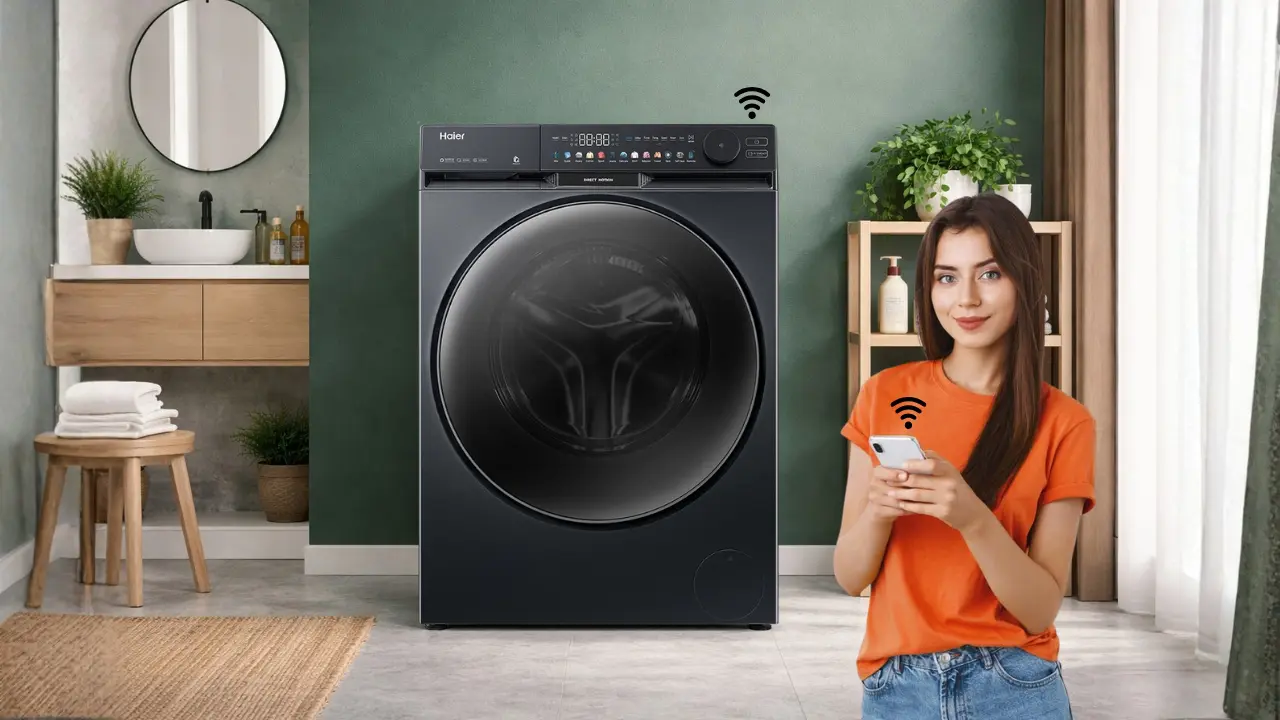
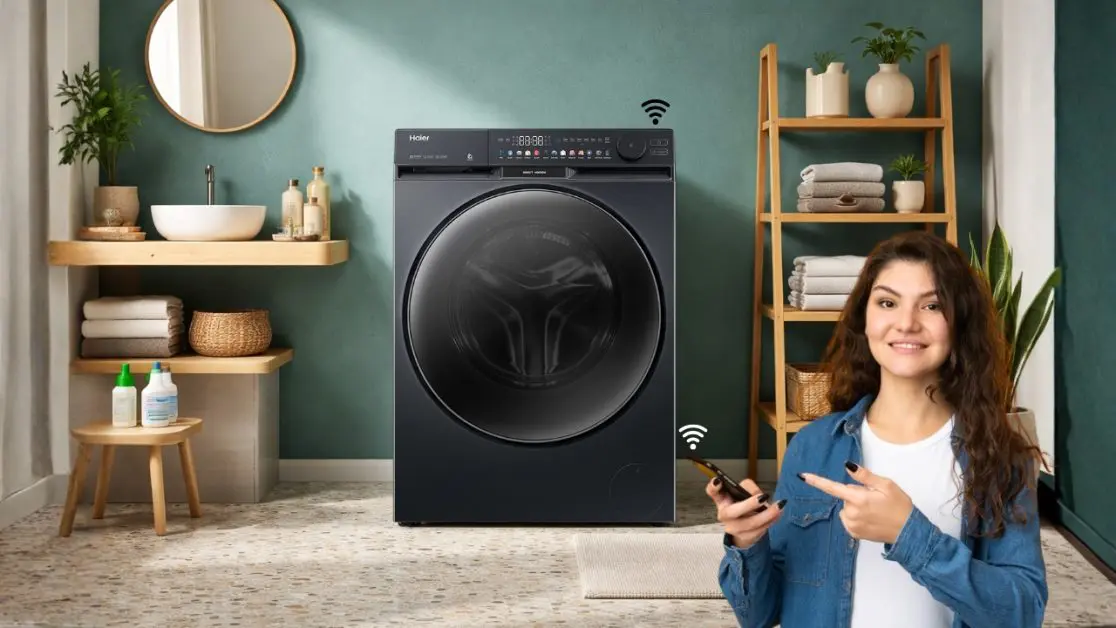
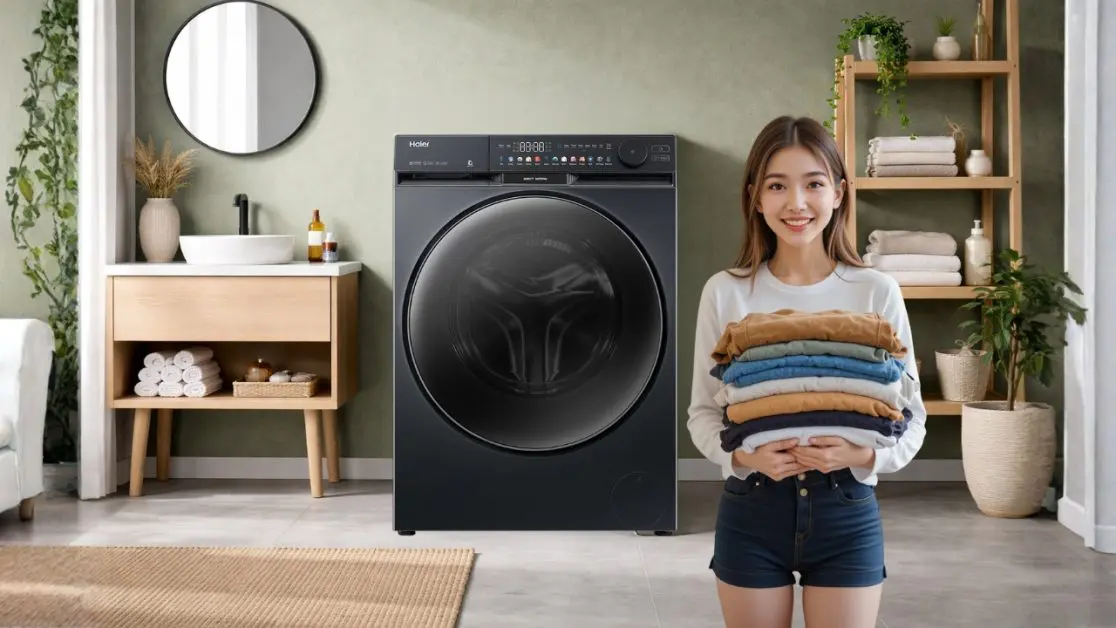
For example, models like the Haier 10 Kg Fully Automatic Front Load Washing Machine (HW100-DM14F9BKU1) are designed around this exact problem.
Features such as intelligent wash sensing, advanced drum design, and efficient water circulation reduce residue and moisture retention after every cycle, helping the machine stay cleaner between washes.
The point is not the feature list.
The point is the outcome.
A machine that stays fresh without constant intervention.
Kitchen hygiene is really about timing
Most kitchens are cleaned daily.
Still, food spoils.
Surfaces feel sticky.
Drawers smell musty.
Why?
Because hygiene is not only about cleaning frequency.
It is about how long food and surfaces stay in unsafe conditions.
Smart kitchen hygiene shortens those windows.
- Stable cooling
- Controlled humidity
- Even airflow
- Easy to clean interiors
When food is stored at consistent temperatures and moisture is regulated, bacteria have fewer chances to grow.
That is hygiene working quietly.
Food freshness is a hygiene feature
A refrigerator does more than chill food.
It slows decay.
It preserves texture.
It protects nutrition.
In busy homes where grocery shopping happens once a week, this matters more than ever.
Smart hygiene in the kitchen reduces food waste and lowers health risks without changing habits.
Better systems create better outcomes.
Air hygiene matters even when nothing smells wrong
Bad air is not always noticeable.
Sometimes it is just stale.
Sometimes it is overly humid.
Sometimes it circulates without refreshing.
Modern homes keep windows closed longer.
Air conditioners run for hours.
Natural ventilation decreases.
Smart air hygiene focuses on balance.
- Efficient cooling
- Controlled humidity
- Consistent circulation
- Lower strain on machines
When air quality improves, the effects show up indirectly.
Better sleep.
Less fatigue.
Improved focus.
Clean air supports everything else you do at home.
Energy efficiency and hygiene are connected
Efficient appliances often create healthier environments.
Machines that avoid overworking generate less heat.
Balanced cycles reduce moisture buildup.
Smart sensing prevents excess water use.
This is why energy efficiency and hygiene frequently improve together.
Lower strain means lower long term risk.
Smart hygiene reduces mental load
One cost of poor hygiene systems is mental effort.
Remembering what needs cleaning.
Worrying about smells.
Double checking freshness.
Smart hygiene removes this background stress.
When appliances adjust automatically, people stop thinking about problems that never appear.
That peace of mind matters.
A home that feels managed, even when life feels busy.
The difference between clean and cared for
Clean homes look good.
Hygienic homes feel right.
- Clothes smell neutral, not perfumed
- Kitchens feel dry, not sticky
- Air feels light, not heavy
- Surfaces stay fresh longer
These changes are subtle.
They compound over time.
Smart hygiene is cumulative.
Three ways households approach hygiene today

Most Indian homes follow one of these paths.
Option one: Habit driven hygiene
Everything depends on routines.
- Frequent cleaning
- High effort
- Manual checks
Cost: Time and energy
Benefit: Control
Risk: Inconsistency
Option two: Partial upgrades
Better appliances used with old habits.
- Advanced features underused
- Hygiene still reactive
Cost: Money
Benefit: Some improvement
Risk: Missed value
Option three: System driven hygiene
Homes designed to manage hygiene automatically.
- Moisture control built in
- Smart adjustments
- Minimal intervention
Cost: Thoughtful choices
Benefit: Consistency and calm
Risk: Very low
Most modern households move toward the third option naturally.
Smart hygiene becomes visible during life changes
Certain moments expose hygiene gaps.
Moving into a new home.
Having a baby.
Parents moving in.
Working from home full time.
During these phases, small issues feel large.
Homes that support hygiene automatically adapt better to change.
That is when smart features stop feeling optional.
Good technology should disappear into daily life
The best hygiene technology does not demand attention.
It does not require daily settings.
It does not interrupt routines.
It works quietly.
When technology fades into the background, trust builds.
What smart hygiene means for the future of homes
Homes are becoming more intentional.
Less noise.
Less effort.
More thought.
Smart hygiene fits naturally into this shift.
It respects time.
It respects energy.
It respects mental space.
And most importantly, it respects the reality of modern Indian life.
The insight worth carrying forward
Cleaning is an effort.
Hygiene is design.
When homes are designed well, people get their time back.
That is what smart hygiene for modern homes truly delivers.
Frequently Asked Questions
Why do I feel tired just thinking about everything that needs cleaning at home?
Traditional hygiene relies on memory and discipline remembering to wipe, dry, air out, and re-clean. That constant mental tracking creates fatigue. Smart hygiene shifts this burden from you to systems.
I don’t want to be obsessed with cleanliness. Is smart hygiene about perfection?
No. Smart hygiene is about preparation, not perfection. It reduces risks automatically so you don’t have to think about hygiene all day.
How does smart hygiene deal with moisture differently?
It controls where moisture stays and how long it remains through airflow, circulation, drainage design, and automatic adjustments.
How does smart kitchen hygiene reduce food waste?
By maintaining stable cooling, controlled humidity, and even airflow shortening the time bacteria have to grow.
Why does smart hygiene matter more during life transitions?
Because homes that manage hygiene automatically adapt better without increasing daily effort.