
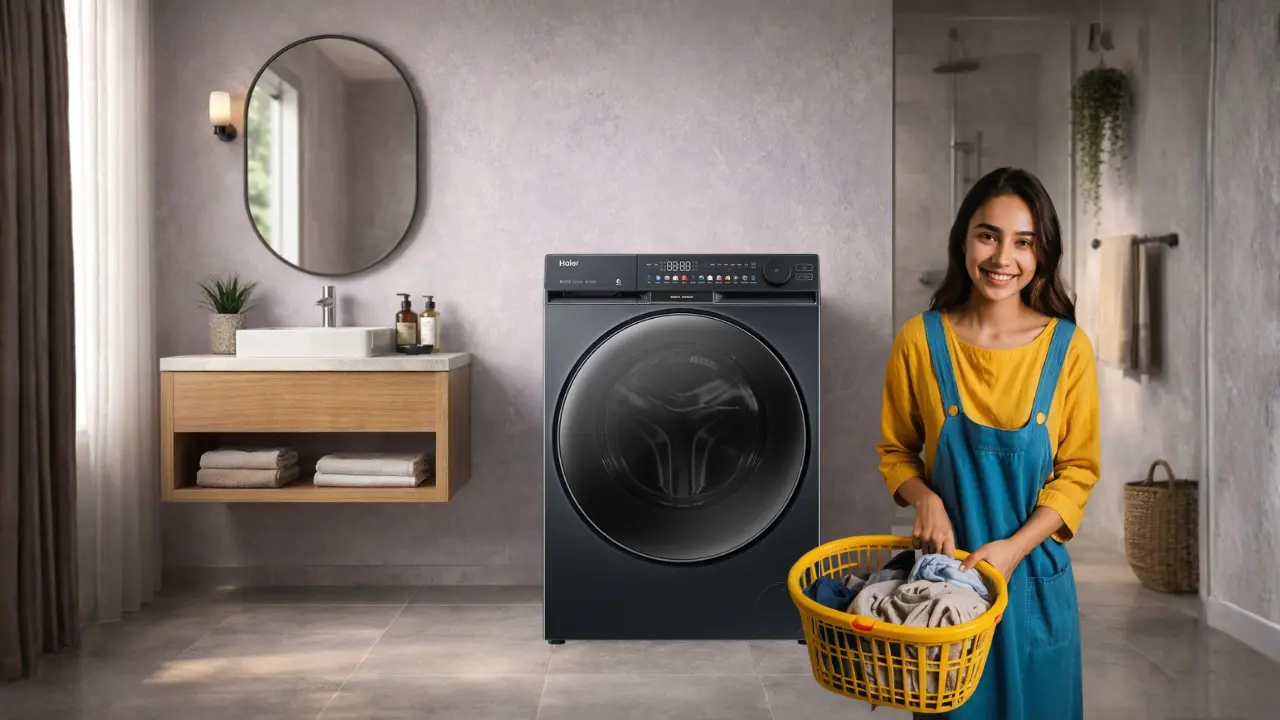

Hygiene-focused appliances are not luxury upgrades. They are daily health systems built into your home.
Hygiene-focused appliances for health-conscious homes are designed to reduce allergens, control moisture, preserve food safely, and minimize cross-contamination without adding effort to your day.
They work quietly in the background so your kitchen, laundry, and air feel cleaner, safer, and easier to manage.
That is the simple answer.
The deeper one lives inside Indian homes.
The evening when hygiene becomes visible.
It is 9:15 pm.
Dinner plates are stacked. School uniforms sit in a corner. Someone sneezes. The AC hums. The fridge door opens for late-night water.
Nothing dramatic.
Yet everything is connected.
The damp towel in the bathroom. The leftover dal in the fridge. The dust settled on the TV console. The laundry drum that stayed shut all afternoon.
Hygiene is not one event. It is a system.
And systems either work for you or quietly against you.
Why modern Indian homes think differently about hygiene
Millennial parents track ingredients. Gen Z renters use air purifiers. Working professionals care about clean bedding after long commutes.
According to the World Health Organization, indoor air can be 2 to 5 times more polluted than outdoor air in many urban settings. Add humidity, dust, and cooking fumes, and the home becomes a microclimate.
This is why hygiene-focused appliances are gaining attention in health-conscious homes.
Not because people are obsessive.
Because they are aware.
The three invisible hygiene zones in every home
Most hygiene problems hide in plain sight.
1. The Air Zone
Dust, moisture, odours.
Air conditioners that manage airflow, humidity, and filtration become more than cooling machines. They become climate stabilisers.
In Indian summers, humidity often crosses 70 percent in coastal cities. High humidity invites mold. Controlled airflow reduces that risk.
The cost? Slightly higher investment upfront.
The benefit? Fewer damp smells, better sleep, less dust buildup.
Clean air is not seen. It is felt.
2. The Food Zone
Refrigeration is hygiene.
Foodborne illnesses often rise during warm months when temperatures fluctuate. A refrigerator that maintains stable cooling, minimises door leakage, and reduces bacterial growth becomes essential.
In many homes, groceries sit for 3 to 5 days before full consumption. That window defines safety.
A hygiene-focused refrigerator:
- Maintains consistent temperature across shelves
- Reduces moisture imbalance
- Minimises odour mixing
- Offers structured storage to avoid cross-contact
It is not about size alone.
It is about control.
If you want to explore models built around smarter cooling systems, Haier’s refrigerator range reflects this shift toward stability and freshness in daily life.
Hygiene is freshness sustained over time.
3. The Fabric Zone
Laundry is where hygiene becomes personal.
Uniforms. Gym wear. Baby clothes. Office shirts.
Sweat, pollution, bacteria. They travel home daily.
A modern front-load washing machine with hygiene-focused programs changes the equation.
Take the Haier 10 Kg Fully Automatic Front Load Washing Machine HW100-DM14F9BKU1.
you see features like One-Touch AI Wash that senses load and fabric automatically, Dual Spray technology reduces detergent residue and allergens.Eco Wash optimises water use.
These are not just convenience features.
They are hygiene safeguards.
Why advanced washing systems matter in health-conscious homes
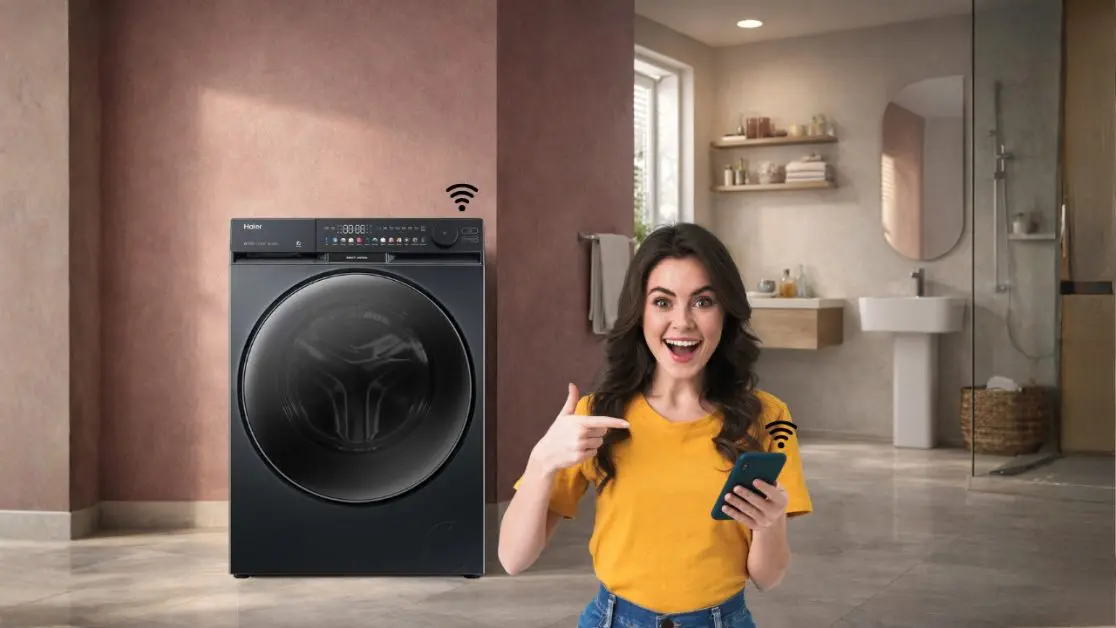
Let us break it down systematically.
One option is basic washing.
It cleans visible dirt. It leaves behind residue if settings are wrong. It uses guesswork.
The second option is program-driven hygiene washing.
It includes steam refresh cycles, baby care programs, self-clean options, and allergen control.
For example, the 10 Kg model includes programs like Hygienic, Baby Care, Self Clean.
The 12 Kg F9 pro Front Load Washing Machine HW120-DM14F9BKU1 includes Allergy Care and Refresh programs along with stain removal functions.
Here is what that means in real life:
| Feature | Hygiene Benefit | Real-Life Impact |
| Steam / Refresh | Reduces odours and wrinkles | Office shirts feel fresh between washes |
| Allergy Care | Minimises allergens | Safer for kids with sensitivities |
| Dual Spray | Reduces residue | Less skin irritation |
| Self Clean | Maintains drum hygiene | Prevents mould buildup |
The cost? Slightly higher upfront spend.
The benefit? Lower long-term health friction.
Health is consistency, not intensity.
Noise and hygiene are connected
This sounds surprising.
But consider this.
If a washing machine is loud, you delay using it at night. Laundry piles up. Damp clothes sit longer.
The Direct Motion Motor in Haier models focuses on silent and smooth operation.
Quiet machines increase frequency of use.
Frequency improves hygiene.
Systems thinking matters.
Smart controls are not about tech. They are about timing.
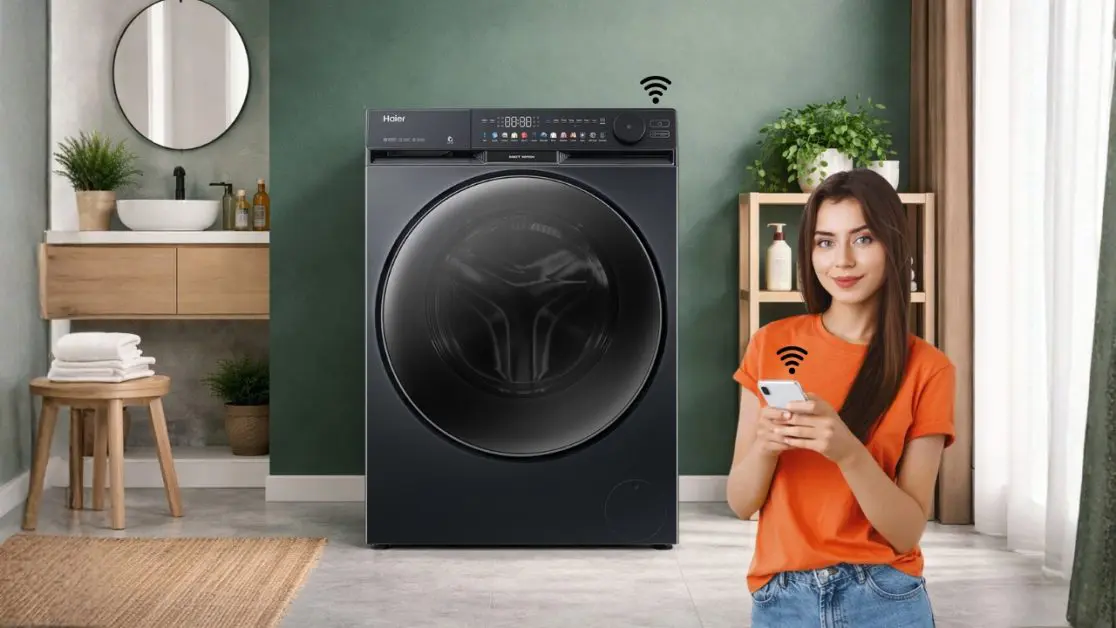
Hygiene often fails due to delay.
Clothes left inside the drum. Food left cooling outside the fridge. AC filters not cleaned on time.
WiFi-enabled washing machines allow cycle monitoring and notifications.
The benefit is not control from your sofa.
It is preventing neglect.
A timely reminder is a hygiene intervention.
What about kitchens and shared spaces?
Kitchens carry layered hygiene risk.
Raw vegetables. Dairy. Meat. Open containers.
A hygiene-focused refrigerator helps, but behaviour matters too.
Three simple systems elevate kitchen hygiene:
- Dedicated vegetable drawer to avoid cross-contact
- Separate shelf for cooked food
- Regular temperature checks
Health-conscious homes treat storage like choreography.
Everything has a place.
Energy efficiency is also a hygiene choice
This sounds counterintuitive.
But consider this.
An appliance that optimises energy and water use maintains consistent performance. Inconsistent power supply or fluctuating cooling affects food safety and wash cycles.
The Eco Wash feature in Haier front-load models matches water levels automatically.
Energy efficiency reduces system stress.
System stability improves hygiene.
Clean living is sustainable living.
How to evaluate hygiene-focused appliances for your home
Ask three questions:
1. Does it reduce invisible risks?
Allergens. Moisture. Residue. Bacteria.
2. Does it automate hygiene decisions?
AI wash detection. Smart cooling. Filter reminders.
3. Does it sustain performance quietly?
Low noise. Stable cooling. Consistent cycles.
If the answer is yes, you are not buying an appliance.
You are upgrading your home’s health infrastructure.
The larger shift health-conscious homes are making
This is not about fear.
It is about foresight.
Modern Indian households are moving from reactive cleaning to preventive hygiene.
Instead of cleaning when something smells wrong, they choose systems that prevent the smell.
Instead of scrubbing mould, they manage humidity.
Instead of rewashing clothes, they use programs designed to remove allergens the first time.
That shift defines the future of home living.
Hygiene is no longer manual labour. It is an intelligent design.
The smartest homes feel effortless because the thinking happened before the problem.
That is the role of hygiene-focused appliances.
A refrigerator that stabilises freshness.
A washing machine that adapts to fabric and dirt level.
An air system that manages moisture silently.
They do not demand attention.
They reduce friction.
And in health-conscious homes, reduced friction equals sustained wellbeing.
The one insight worth remembering
Hygiene is not about cleaning harder.
It is about designing smarter systems that protect you daily without drama.
When appliances move from tools to silent guardians, homes feel lighter.
More breathable.
More organised.
More calm.
And that is what modern Indian households truly want.
Not perfection.
Peace of mind.
Frequently Asked Questions
Why do I suddenly feel like my home hygiene needs more attention than it used to?
Modern urban homes are more sealed environments than older houses. Air conditioners, insulated windows, and compact living spaces trap moisture, dust, and cooking fumes indoors. This creates a microclimate where hygiene depends on systems, not just cleaning habits. Appliances that manage air, moisture, food storage, and fabric care help reduce the daily mental load.
I clean my home regularly, so why do I still notice damp smells or allergies?
Cleaning removes visible dirt, but many hygiene risks are invisible moisture buildup, detergent residue, bacteria in washing machines, and fluctuating refrigerator temperatures. Hygiene-focused appliances target these hidden problems through humidity control, steam cycles, and stable cooling systems.
Am I overthinking home hygiene, or is this actually a real issue in cities?
You are not overthinking it. In many urban environments, indoor air can be more polluted than outdoor air, especially when dust, cooking fumes, humidity, and closed ventilation systems combine. Awareness has increased among families because these factors directly affect sleep quality, allergies, and food safety.
I feel overwhelmed choosing appliances. How do I decide what actually improves hygiene?
Focus on three questions:
Does the appliance reduce invisible risks (allergens, moisture, bacteria)?
Does it automate hygiene decisions (AI wash detection, filter reminders)?
Does it maintain consistent performance quietly?
If the answer is yes, the appliance contributes to your home’s health system.
How do hygiene-focused appliances reduce daily mental stress?
They remove guesswork. AI wash programs choose the correct water level, refrigerators maintain stable cooling automatically, and air systems regulate humidity. This means fewer manual adjustments and fewer hygiene mistakes.
How does AI washing technology help with hygiene?
AI wash systems detect load size, fabric type, and dirt level. This allows the machine to adjust:
Water level
Drum movement
Wash duration
The result is more accurate cleaning with less residue.
Why do modern washing machines include self-clean programs?
Over time, detergent buildup, lint, and moisture inside the drum create a breeding ground for mold and bacteria. Self-clean cycles sanitize the drum, keeping the machine hygienic for future washes.
Are quieter appliances actually better for hygiene?
Surprisingly, yes. Loud machines discourage frequent use or late-night washing. Quiet motors allow people to run laundry whenever needed, which prevents clothes from sitting damp for long periods.