
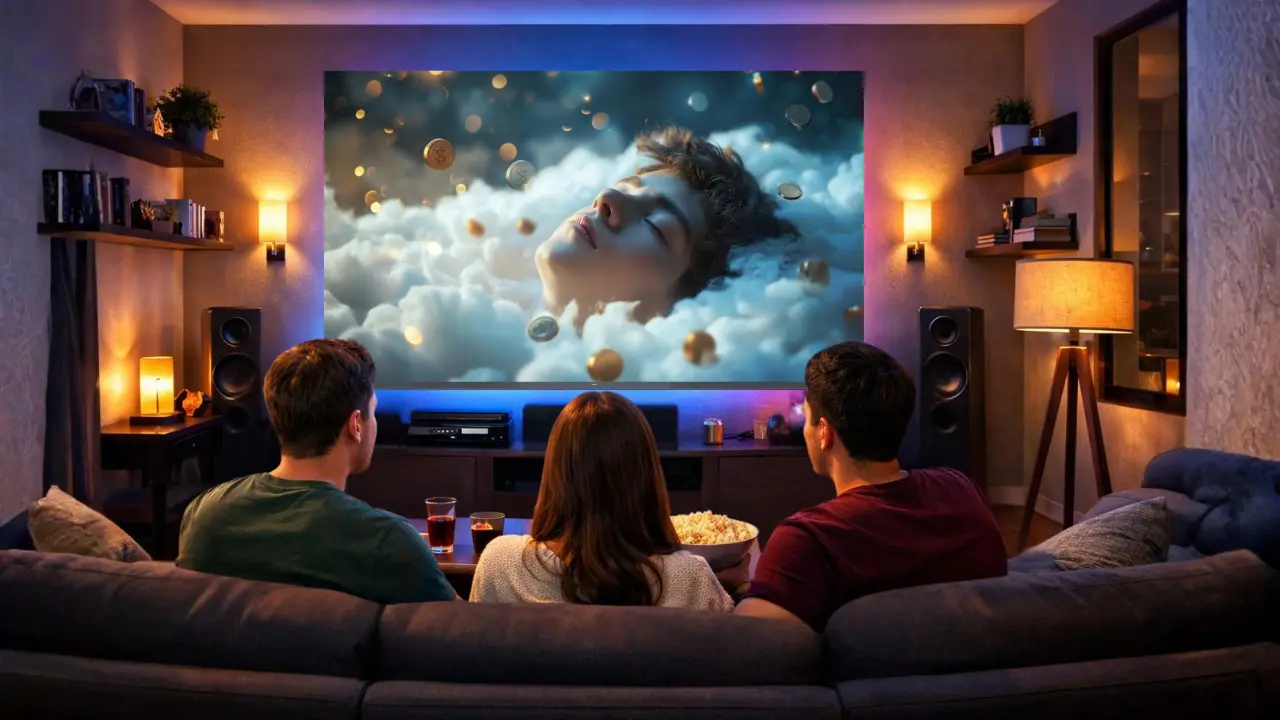

Picture quality that adapts in real time means your TV constantly analyzes every frame and automatically adjusts brightness, contrast, color, and motion based on what you are watching and the lighting in your room.
The result is a viewing experience that always feels balanced, vivid, and comfortable without manual adjustments.
That is the short answer.
The longer answer lives inside real Indian homes.
It lives on cricket nights with friends.
It lives in weekend movie marathons.
It lives in children watching cartoons before school.
And it lives in quiet late night streaming after long workdays.
Screens used to be passive.
Today, they are responsive systems.
Why Picture Quality Should Not Stay Fixed
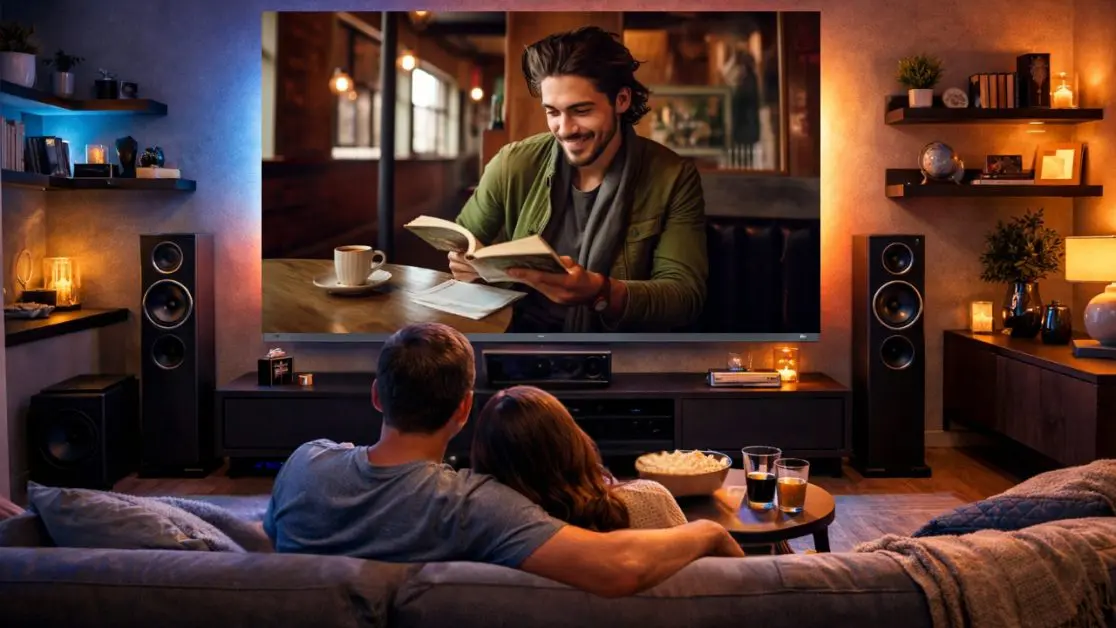
Walk into a living room at 3:30 pm in May.
Sunlight pours through the windows. The room feels bright. Someone switches on the TV to watch highlights from yesterday’s IPL match.
Two hours later, evening arrives.
Curtains close. Lights dim. The same screen now sits in a darker environment.
The content may stay the same.
The environment changes completely.
Traditional televisions treat these moments as identical. They rely on one fixed picture mode.
But human eyes do not work that way.
Brightness perception changes with surrounding light. Color perception shifts depending on contrast levels. Motion clarity depends on how scenes move.
According to display research across the television industry, perceived picture quality depends on three things working together:
- Content characteristics
- Ambient lighting in the room
- Display processing capability
If even one of these stays static, the experience becomes compromised.
Which leads to a simple question.
Should the viewer constantly adjust settings?
Or should the television adjust itself?
What Real Time Adaptive Picture Quality Actually Means
Modern televisions now use AI driven processors to evaluate visual information frame by frame.
This technology is visible in models such as the Haier M92 Series 164 cm (65) QD Mini LED AI Smart Google TV and the Haier M92 Series 189 cm (75) QD Mini LED AI Smart Google TV, which use intelligent image processing systems to optimize picture performance dynamically.
Instead of relying on fixed picture presets, these TVs continuously analyze:
- Scene composition
- Brightness levels
- Motion speed
- Color density
- Resolution quality
The processor then adjusts picture parameters instantly.
Think of it like a photographer adjusting camera settings before every shot.
Except this happens thousands of times per minute.
The Five Invisible Systems Behind Adaptive Picture Quality
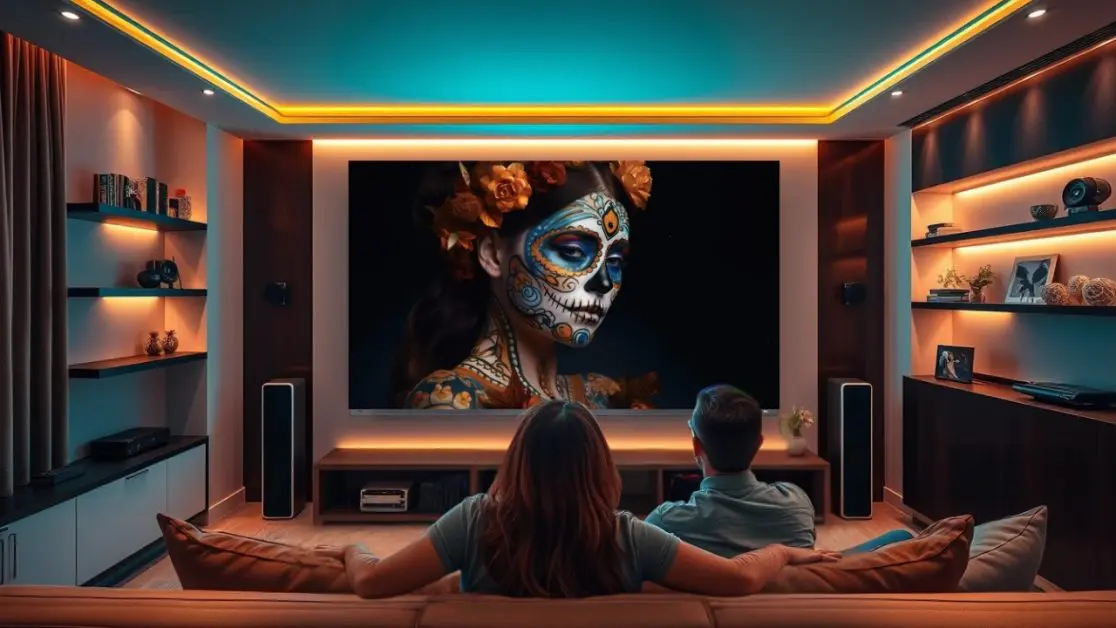
Most people assume picture quality comes from resolution alone.
4K. Ultra HD. Pixel count.
But resolution is only one piece of the system.
Real picture performance comes from coordination between multiple technologies.
1. AI Scene Recognition
The first system identifies what kind of scene appears on screen.
Is it:
- A fast sports broadcast
- A cinematic movie scene
- A colorful animated show
- A dark dramatic sequence
AI processors instantly recognize these visual patterns and adjust picture parameters.
Sports scenes demand motion clarity.
Films require deep shadow detail.
Animated content benefits from vibrant color.
Different scenes require different visual priorities.
This is why scene recognition matters.
2. AI Color Processing
Color accuracy plays a powerful role in realism.
Human eyes interpret colors differently depending on brightness and contrast around them. A sunset scene requires warmth. A snow landscape needs cooler tones.
Advanced display technologies such as Quantum Dot panels help reproduce a wider range of colors.
Televisions like the Haier M92 Series QD Mini LED AI Smart Google TV models enhance color saturation dynamically while maintaining natural skin tones.
The result is not an exaggerated color.
It is a believable color.
3. High Refresh Rate Motion Clarity
Fast moving content exposes weaknesses in many televisions.
Think about the speed of:
- A cricket ball crossing the field
- A football pass during a counterattack
- A racing car in a video game
- An action sequence in a film
Without strong motion processing, objects blur and lose detail.
High refresh rate panels such as 144Hz displays maintain clarity during rapid movement.
On televisions like the Haier M92 Series QD Mini LED AI Smart Google TV, this ensures sports and gaming scenes remain sharp and fluid.
4. Ambient Light Adaptive Brightness
A television cannot ignore the room around it.
Bright afternoons require stronger brightness output. Dark environments require softer illumination.
Adaptive brightness technologies analyze ambient light and automatically adjust display intensity.
This protects two things:
- Picture clarity
- Eye comfort
In bright daylight the TV becomes brighter.
At night the screen softens to prevent visual fatigue.
The viewer does nothing.
The system handles the adjustment.
5. AI Upscaling for Mixed Content
Not all content arrives in perfect 4K resolution.
Many broadcasts still come in lower resolutions. Older movies and internet videos may not match modern display standards.
AI upscaling technologies analyze each frame and reconstruct detail intelligently.
The processor enhances edges, textures, and depth so lower resolution sources appear sharper on large screens.
On larger televisions such as the Haier M96 Series 254 cm (100) QD Mini LED AI Smart Google TV, this feature becomes especially valuable.
Large screens magnify imperfections.
AI upscaling corrects them.
Why QD Mini LED Technology Matters
Processing power is only half the story.
Display hardware determines how well these adjustments appear on screen.
QD Mini LED technology uses thousands of smaller LED backlights arranged in multiple dimming zones.
Each zone controls brightness independently.
This enables:
| Display Capability | Viewing Benefit |
| Local dimming zones | Deeper blacks and stronger contrast |
| Quantum Dot color layer | Wider and richer color spectrum |
| HDR support | Scene level brightness precision |
| High brightness output | Better daytime visibility |
Televisions such as the Haier M92 Series 164 cm (65) QD Mini LED AI Smart Google TV, the Haier M92 Series 189 cm (75) QD Mini LED AI Smart Google TV, and the flagship Haier M96 Series 254 cm (100) QD Mini LED AI Smart Google TV combine this display hardware with intelligent picture processing.
Software guides the image.
Hardware delivers it.
Real Homes. Real Viewing Moments
Technology matters only if it improves everyday life.
Consider three common scenarios in modern Indian homes.
Cricket Match Evenings
It is the IPL season.
Friends gather in the living room. The camera pans across the field as the bowler begins the run up.
Fast movement often creates blur on ordinary screens.
With high refresh rate panels and AI motion processing, the ball stays sharp and the field remains detailed.
Every frame stays clear.
Family Movie Night
Lights dim.
A movie shifts between bright outdoor landscapes and dark interior scenes.
HDR processing ensures that bright highlights remain vibrant while shadows retain detail.
The scene looks natural.
Not washed out. Not overly dark.
Gaming After Work
A racing game loads after a long workday.
The player accelerates through a high speed track.
Gaming technologies such as adaptive refresh rate synchronization prevent screen tearing and motion stutter.
The game feels smooth.
Control becomes precise.
The System Behind Great Picture Quality
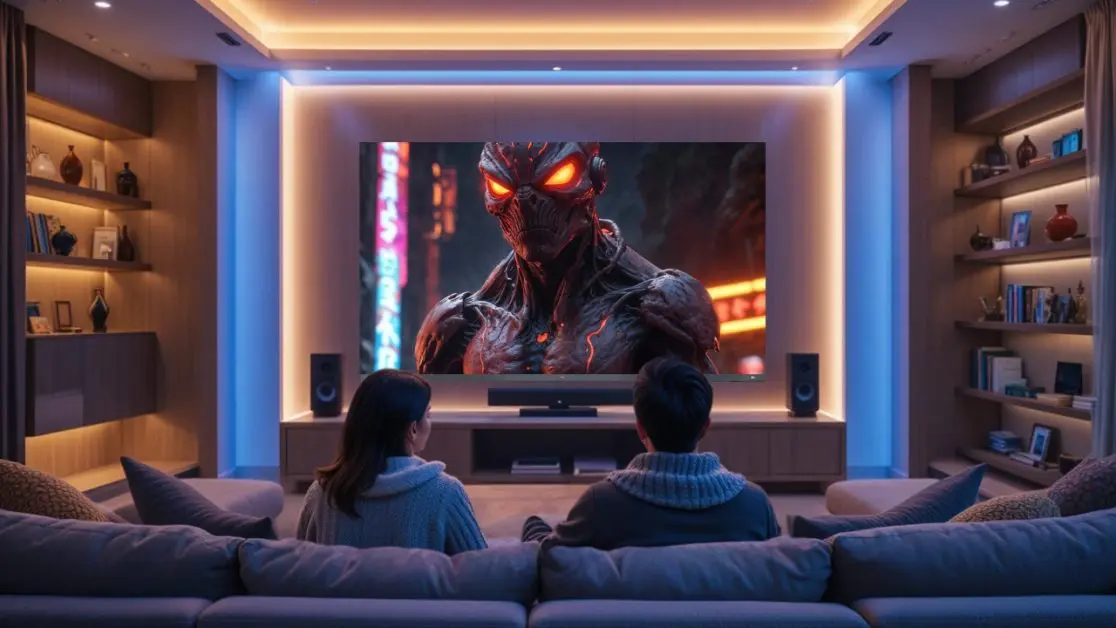
Here is the deeper insight.
Great picture quality is never one feature. It is a system of decisions happening simultaneously.
Processing power analyzes the image.
Display technology controls the light.
Color systems expand the palette.
Motion systems stabilize movement.
Ambient sensors respond to the environment.
When these systems coordinate, the picture becomes immersive.
Not because of one specification.
Because everything works together.
Why Adaptive Picture Quality Matters in Modern Homes
Entertainment habits in Indian households have changed dramatically.
Televisions today support:
- Sports streaming
- OTT movie platforms
- Gaming consoles
- Music streaming
- Educational content
- Video calls
A single screen now serves multiple roles.
Each type of content demands different picture characteristics.
Adaptive picture quality allows one television to handle all of them intelligently.
No manual switching. No complicated settings.
Just a screen that understands context.
The Bigger Shift Happening in Smart Homes
There is a pattern emerging across modern appliances.
Air conditioners now adjust cooling automatically.
Washing machines optimize water usage based on load.
Refrigerators regulate temperature intelligently.
Televisions now adapt picture quality in real time.
Different appliances.
Same principle.
Technology should adapt to people. Not the other way around.
The Insight Worth Remembering
Screens used to display images.
Now they interpret them.
Televisions such as the Haier M92 Series 164 cm (65) QD Mini LED AI Smart Google TV, the Haier M92 Series 189 cm (75) QD Mini LED AI Smart Google TV, and the flagship Haier M96 Series 254 cm (100) QD Mini LED AI Smart Google TV represent this shift.
They analyze scenes.
They understand environments.
They adjust visuals automatically.
Not brighter.
Not darker.
Not exaggerated.
Just right.
And when picture quality quietly gets things right, the technology fades away.
What remains is the experience.
A living room that feels less like a room with a screen.
And more like a place where stories come alive.
Frequently Asked Questions
Do I really need AI picture adjustment in my TV, or is it just marketing?
If you watch mixed content (sports, OTT, YouTube, gaming), AI adjustment genuinely improves consistency. It removes the need to constantly tweak settings and ensures everything looks optimized automatically.
I feel overwhelmed by TV specs. Does adaptive picture quality actually simplify things?
Yes. Instead of choosing between multiple picture modes, the TV makes those decisions for you in real time.
Will I still need to manually change picture modes for movies and sports?
No. Adaptive systems automatically detect scene type and adjust accordingly.
Is this feature only useful for expensive TVs?
Mostly found in mid-to-premium TVs, but it delivers the most noticeable value on larger screens and varied content usage.
Why does my TV sometimes change brightness suddenly?
That’s adaptive brightness reacting to content or room lighting.
Can I turn off adaptive picture features if I don’t like them?
Yes, most TVs allow manual override.
What if the picture looks too bright or too dull sometimes?
You may need to fine-tune base settings, AI builds on those defaults.
Does adaptive picture quality work well in very dark rooms?
Yes. It reduces brightness and enhances shadow detail for comfortable viewing.