
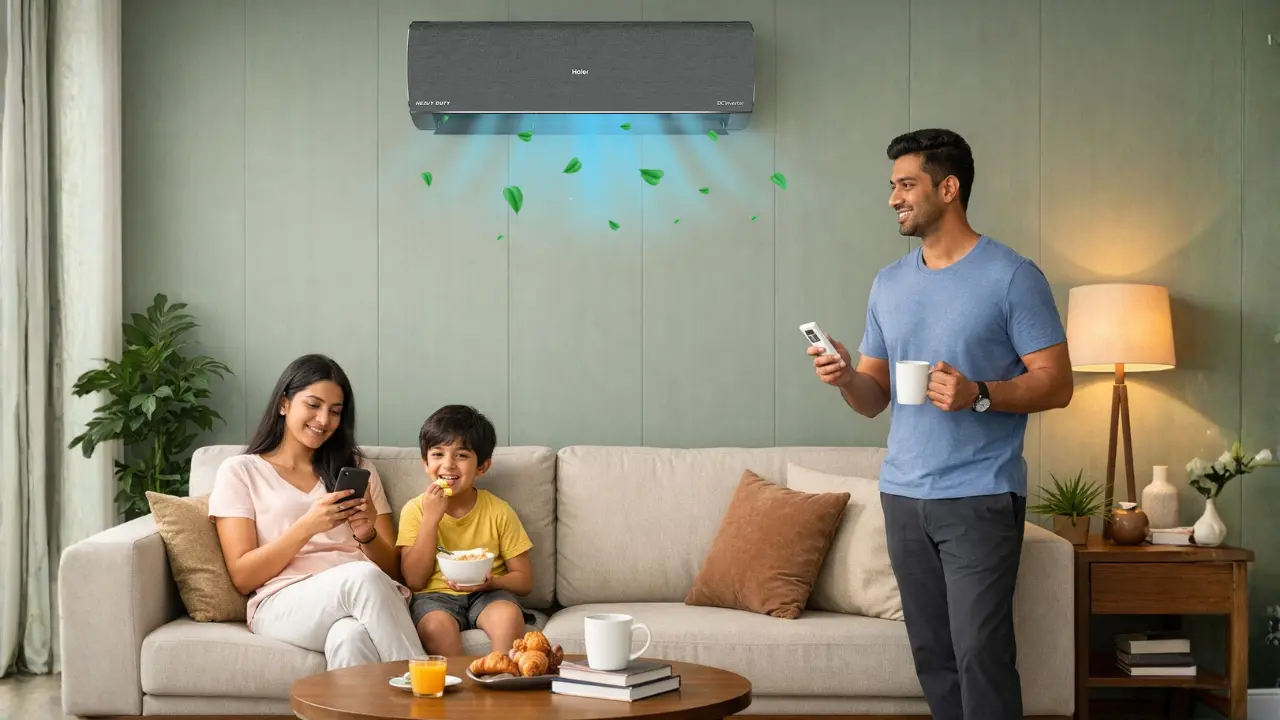

Preparing a home for heat in active Indian households involves creating a comfortable space that requires minimal upkeep. This means staying ahead of the heat before it turns into a real issue.
Clever cooling setups, sensible routines, and smart tools like AI Atmox enable residences to maintain coolness, save energy, and remain consistent even when schedules are packed.
Why does cooling preparedness matter more than ever in Indian homes?
Step into a standard Indian dwelling on a warm May afternoon.
School satchels drop near the couch. Somebody opens the fridge. The cooking area buzzes with getting ready for evening refreshments.
And the warmth gradually permeates the space.
This is the point where achieving coolness transitions from a treat to a must-have.
However, most residences handle climate control as a response.
Activate the air conditioner when the space feels warm.
Reduce the setting when you start feeling uneasy.
Change the setting when the power expense climbs.
But occupied households lack the opportunity for continuous tweaking.
The more intelligent approach involves forethought.
Program the unit one time. Allow it to operate unobtrusively.
Effective cooling is when it becomes an unnoticed element.
The Invisible technology Behind Comfortable Homes
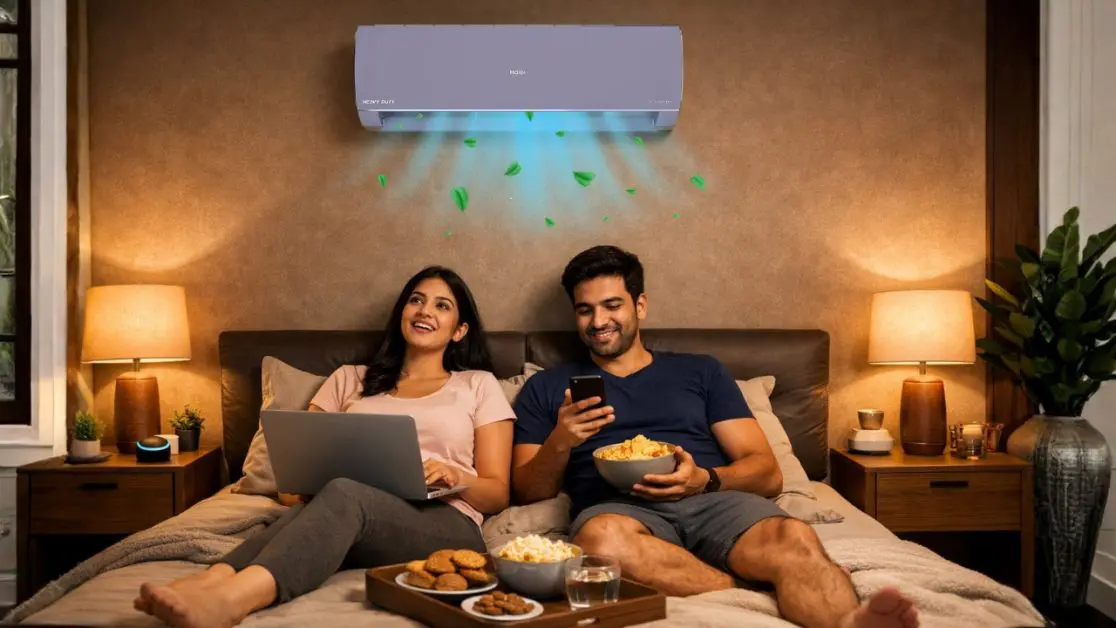
Ease doesn’t occur by chance.
It adheres to structures.
Each dwelling possesses tempos.
Kids come back at midday. Grown-ups conclude professional calls after work. Saturdays and Sundays introduce visitors, sports viewing, and shared evening meals.
Being ready with cooling involves syncing the devices with these cycles.
Instead of requiring occupants to alter the equipment settings.
Allowing the technology to conform to the residents’ routines.
This is the area modern climate awareness is revolutionizing living spaces.
For example, smart climate technology like AI Atmox enable cooling units to monitor surroundings and how they’re used, automatically fine-tuning temperature control and power usage without anyone needing to press a button.
Put plainly:
The residence starts to comprehend its occupants.
What Cooling Preparedness Looks Like in Real Homes
Prepared homes follow a simple principle.
Comfort should be immediate and predictable.
A well prepared cooling technology typically includes the following elements.
| Cooling Element | Why It Matters for Families |
| Fast cooling performance | Comfort immediately after entering the room |
| Adaptive temperature control | Prevents overcooling and saves electricity |
| Targeted airflow | Direct cooling where people sit |
| Power monitoring | Helps control electricity costs |
| Automated efficiency modes | Reduces manual adjustments |
When these elements work together, something interesting happens.
Cooling stops feeling like a chore.
It becomes part of everyday life.
Three Cooling Approaches Most Families Follow
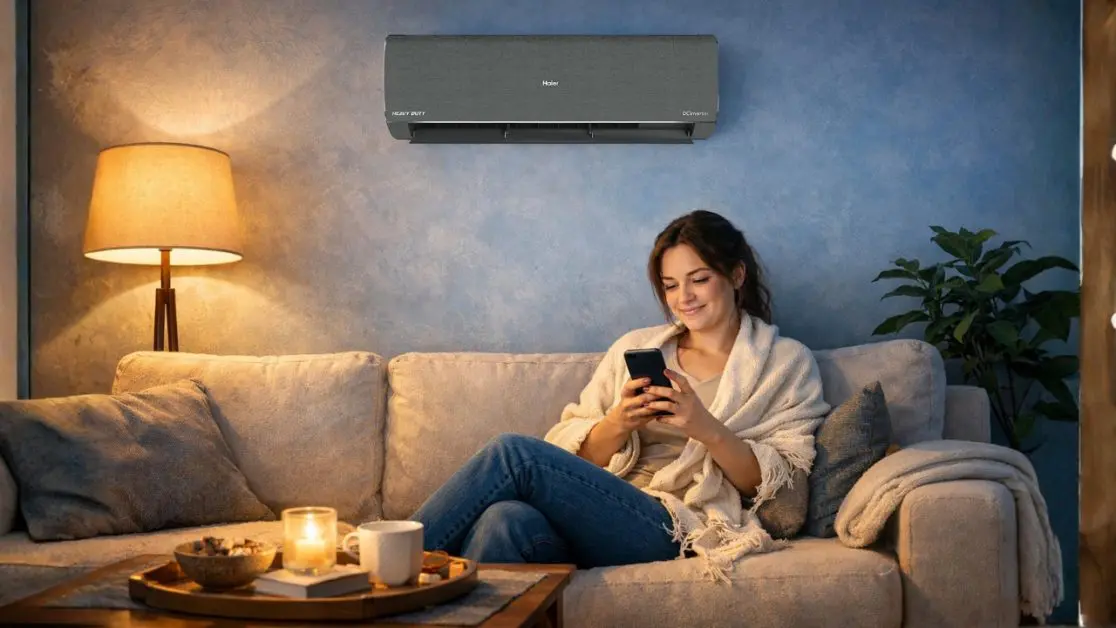
Different homes handle cooling differently. But most households follow one of three patterns.
Understanding them reveals why intelligent cooling matters.
1. Reactive Cooling
This is the most common approach.
The AC runs only when someone feels uncomfortable.
Typical behaviors include:
- Turning on cooling after entering the room
- Frequently changing temperature settings
- Switching the AC off to save electricity
Cost: uneven comfort and constant adjustments.
Benefit: simple habit.
The drawback is obvious.
Rooms take time to cool.
2. Scheduled Cooling
Some families rely on timers.
The AC runs at fixed times every day.
Examples include:
- Bedroom cooling begins at night
- Living room AC runs during evening hours
Schedules improve predictability.
But life rarely follows strict schedules.
People return home early. Weather changes. Guests arrive unexpectedly.
Machines cannot adapt.
3. Intelligent Cooling
Modern residences are moving toward this.
Rather than fixed timetables, climate control adapts flexibly.
Tools such as AI Atmox climate intelligence allow air conditioning units to examine surrounding conditions, degree readings, and occupant routines to naturally enhance cooling efficiency.
Certain setups even feature machine learning-driven advance cooling, which predicts an imminent arrival and chills the space ahead of time.
The result is effortless.
Enter the area.
It is already at a pleasant temperature.
Why Targeted Cooling Changes Everyday Comfort
Traditional air conditioners cool the entire room equally.
But real life rarely uses the entire room.
Think about a living room in the evening.
One person reads on the sofa. Another watches television. A child sits on the floor playing.
Cooling the entire space wastes energy.
Targeted cooling solves this problem.
AI technology powered by technologies like AI Atmox Target Cooling deliver airflow precisely where it is needed, focusing comfort around people rather than empty spaces.
This approach creates three clear advantages.
- Faster comfort
- Reduced energy waste
- More consistent temperature around occupants
One simple truth explains the shift.
Comfort improves when cooling follows people.
Electricity Awareness Is Becoming Part of Cooling Preparedness
When summer heat arrives, a common query emerges.
How high will the power statement be this cycle?
Air conditioners are responsible for a substantial part of home electricity use during the warmer seasons. Energy research covering city areas in India suggests that AC operation might make up as much as 40 percent* of residential power needs when temperatures are highest.
For this reason, preparing for cooling now involves being mindful of energy use.
Newer AC technology enables households to monitor their power draw in real-time.
For example, intelligent power management technology can provide:
- Daily electricity usage insights
- Operating mode tracking
- Real time cost estimates
- Custom energy saving targets
Technologies like AI Atmox Power Manager make it easier for families to monitor consumption and control cooling costs more effectively.
Some technologies also detect human activity and automatically shift into energy saving modes when rooms are empty.
Comfort stays high.
Electricity waste drops.
Why Busy Families Prefer Cooling That Runs Itself

Modern households are busy.
Parents handle work responsibilities. Children manage school schedules. Even evenings move quickly.
In such environments, simplicity matters.
People do not want to manage appliances.
They want appliances to manage themselves.
AI driven climate technology brings that simplicity.
Features such as adaptive cooling, occupancy detection, and automated eco modes allow the technology to maintain comfort without constant adjustments.
For example, intelligent occupancy detection can automatically reduce cooling levels when a room is empty and restore comfort when people return.
These small automations create a noticeable difference.
Homes feel calmer.
Cooling becomes invisible.
Practical Cooling Habits That Help Families Stay Comfortable
Technology works best when paired with simple daily habits.
Here are a few practices that significantly improve cooling preparedness.
Smart Cooling Habits for Indian Homes
- Close curtains during peak afternoon sunlight
- Use ceiling fans to circulate cool air faster
- Clean AC filters regularly
- Maintain temperature between 24°C and 26°C
- Avoid frequent temperature adjustments
Each of these habits reduces the workload on cooling technology.
Together they create a more stable indoor environment.
Cooling Preparedness Is Really About Predictability
The real benefit of cooling preparedness is not lower temperature.
It is predictability.
Prepared homes behave consistently.
You enter the house and the room already feels comfortable.
Electricity usage stays within expectations.
Appliances work quietly in the background.
This is the direction modern appliance innovation is moving toward.
Companies like Haier India are exploring intelligent climate technology such as AI Atmox, which combines behavioral learning, environmental sensing, and automated energy optimization to simplify cooling in everyday homes.
The technology may sound advanced.
But the outcome is simple.
A home that feels ready.
Prepared Homes Feel Effortless
There is a quiet difference between homes that react to problems and homes that anticipate them.
Prepared homes feel lighter.
Cool air arrives before discomfort appears. Electricity consumption stays balanced. Appliances quietly adapt to family routines.
And families focus on what actually matters.
Evening tea conversations. Weekend cricket matches. A peaceful afternoon nap.
Cooling preparedness is not about machines.
It is about designing homes that support real life.
Because when technology understands people, comfort stops being a task.
It has become a habit.
Frequently Asked Questions
I’m tired of constantly adjusting my AC. Is there a smarter way to manage cooling?
Yes. Intelligent cooling systems (like AI-based climate control) learn your routines and adjust automatically. Once set up, they remove the need for constant manual tweaking.
Why does my home never feel consistently cool even though I keep changing settings?
Frequent adjustments disrupt stabilization. Smart cooling works best when it maintains a steady range (like 24–26°C) and adapts gradually based on room conditions.
I have a hectic schedule. How can I make my home feel cool without thinking about it?
Use adaptive or intelligent cooling modes that automatically adjust based on occupancy, time of day, and heat levels. Pair this with simple habits like closing curtains in the afternoon.
What exactly does AI-based cooling (like AI Atmox) do differently?
It senses room conditions, tracks usage patterns, and adjusts temperature, airflow, and energy consumption automatically without manual input.
How does targeted cooling improve comfort?
It directs airflow toward occupied areas instead of cooling empty space, resulting in faster comfort and less energy waste.
Can my AC really learn my routine?
Yes. Machine learning-based systems observe patterns like when rooms are occupied and adjust cooling accordingly over time.
What is occupancy detection and why does it matter?
It detects whether people are in the room and reduces cooling when empty, saving electricity while maintaining comfort when needed.