
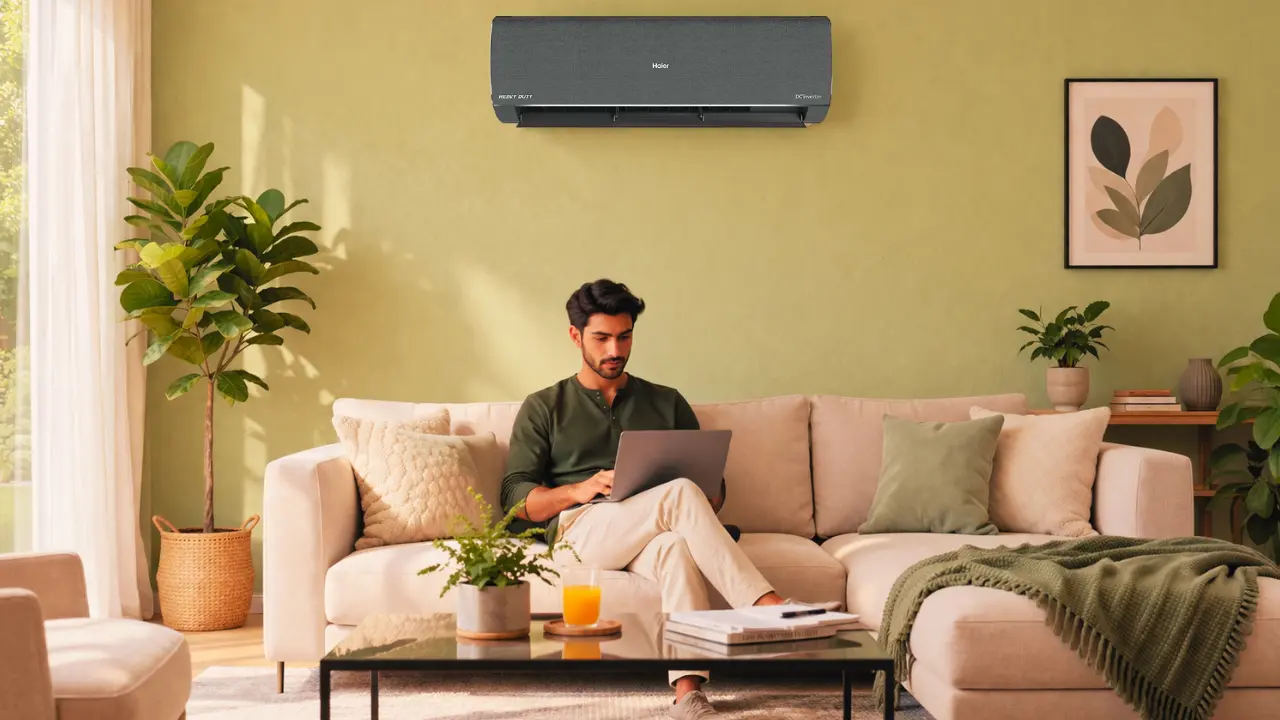

Scheduled intelligence starts with comfort before you even walk in the door. Learn daily routines. Anticipate your needs.
Smart technology automates appliances like air conditioners. Refrigerators. Lights. The payoff is easy. Less waiting. Less adjusting. More comfort right when you need it.
Comfort used to start with flipping a switch.
Walk into a room.
Flip on the fan.
Adjust the AC.
Wait.
For years, that little moment of waiting set the standard for how homes functioned.
But now families run on faster schedules. Work meetings start at the crack of dawn. Kids are hustling to finish homework. Someone’s cooking dinner while halftime is on TV.
Waiting for comfort is no longer an option.
It’s not about how powerful your appliances are these days.
It’s about how smart they can anticipate life’s moments.
Scheduled intelligence is the secret ingredient that flips the whole script.
When Comfort Starts Before You Even Arrive
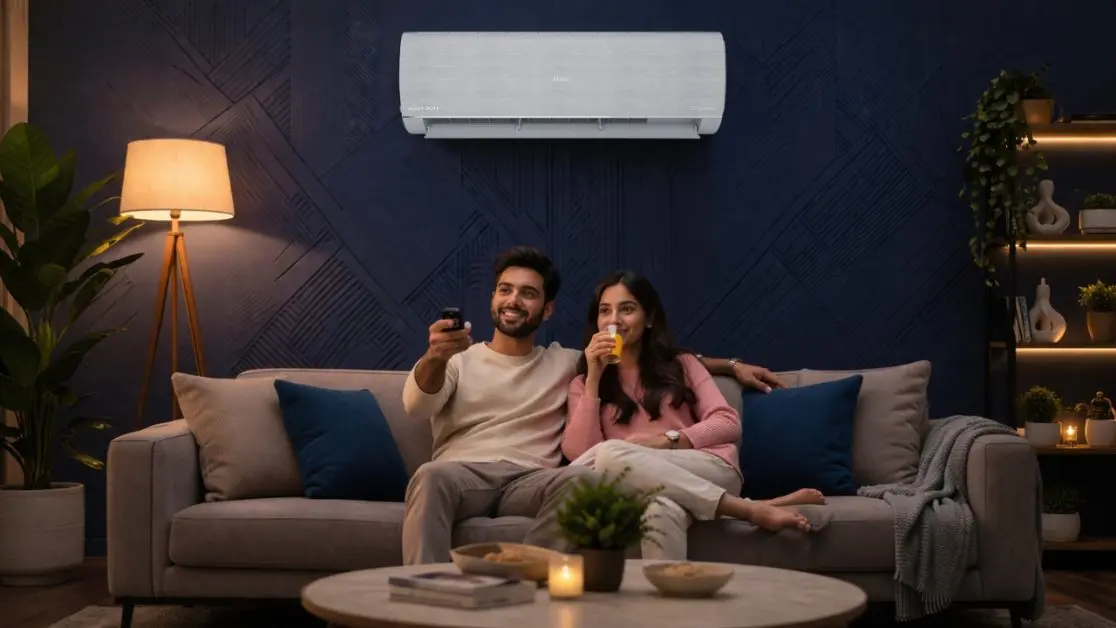
Imagine this familiar moment.
It is 6:45 pm.
You are returning home after a long commute through summer traffic.
Outside temperature: 38°C.
Inside the house?
Still warm from the afternoon sun.
Traditional technology creates a predictable routine.
- Walk inside.
- Turn on the AC.
- Wait 10 minutes.
Comfort eventually arrives. But it always arrives late.
Scheduled intelligence flips that sequence.
The home prepares before you reach the door.
Smart AI-powered air conditioners can detect location proximity and begin cooling in advance. Some technology even start pre-cooling once a user enters a defined radius near home.
So when the door opens, the room already feels right.
Comfort becomes immediate.
And immediate comfort changes how a home feels.
The best technology is the one you stop noticing.
The Hidden technology Behind Scheduled Intelligence
Most people think scheduling means setting timers.
But true scheduled intelligence is far more dynamic.
It learns.
AI-powered climate technology now track temperature changes, daily usage patterns, and environmental data to automatically adjust cooling behavior and energy use.
Think of it like a bookstore owner who remembers what customers enjoy reading.
Over time, recommendations improve.
Smart appliances do something similar.
They observe patterns such as:
- When people return home
- How long cooling typically runs
- Which temperature settings feel comfortable
- How outdoor weather changes room conditions
From these signals, the technology builds a behavioral model.
Not complicated. Just observant.
The outcome is simple.
The appliance stops waiting for instructions.
It begins anticipating them.
Three Ways Homes Traditionally Handle Comfort
Every household eventually adopts one of three comfort technologies.
Each one has a cost.
1. The Manual Comfort technology
This is the most common approach.
People manually control appliances throughout the day.
Advantages
- Full control
- Familiar routine
Costs
- Constant adjustments
- Wasted time
- Higher energy usage
Every switch becomes another small decision.
And decisions quietly consume attention.
2. The Timer-Based technology
Many homes upgrade to timers.
The AC turns on at a fixed time every evening.
Advantages
- Predictable cooling
- Reduced manual effort
Costs
- Rigid schedules
- Cooling when no one is home
- Missed changes in weather
Timers assume life runs like a train schedule.
But life rarely does.
3. The Scheduled Intelligence technology
Now comes the smarter approach.
AI-driven scheduling adapts continuously.
Advantages
- Cooling starts before arrival
- Energy usage adjusts automatically
- Comfort remains consistent
Costs
- Requires smart appliance integration
But the benefits compound quickly.
Comfort arrives earlier.
Electricity consumption becomes smarter.
And the home feels responsive.
Why Indian Homes Benefit Most From Scheduled Intelligence
India’s climate is not subtle.
Summer afternoons easily cross 40°C in many cities.
Humidity spikes during monsoon.
Winter mornings demand different settings entirely.
That means homes constantly adjust cooling behavior.
Scheduled intelligence handles this complexity quietly.
For example, modern AI climate technology can automatically analyze surrounding temperature and adjust cooling output accordingly to avoid overcooling or energy waste.
Instead of guessing the right setting, the technology adapts.
It becomes seasonal.
Seasonal Comfort Patterns in Indian Homes
| Season | Typical Home Challenge | Scheduled Intelligence Advantage |
| Summer | Extreme heat during evenings | Pre-cooling before arrival |
| Monsoon | Humidity fluctuations | Smart airflow adjustments |
| Winter | Temperature variation indoors | Balanced comfort settings |
| Transitional months | Changing day-night temperatures | Automatic recalibration |
The pattern becomes clear.
When weather becomes unpredictable, automation becomes valuable.
The Real Benefit: Energy Awareness Without Effort
Comfort and electricity bills often pull in opposite directions.
Cooler rooms typically mean higher energy consumption.
Scheduled intelligence reduces this tension.
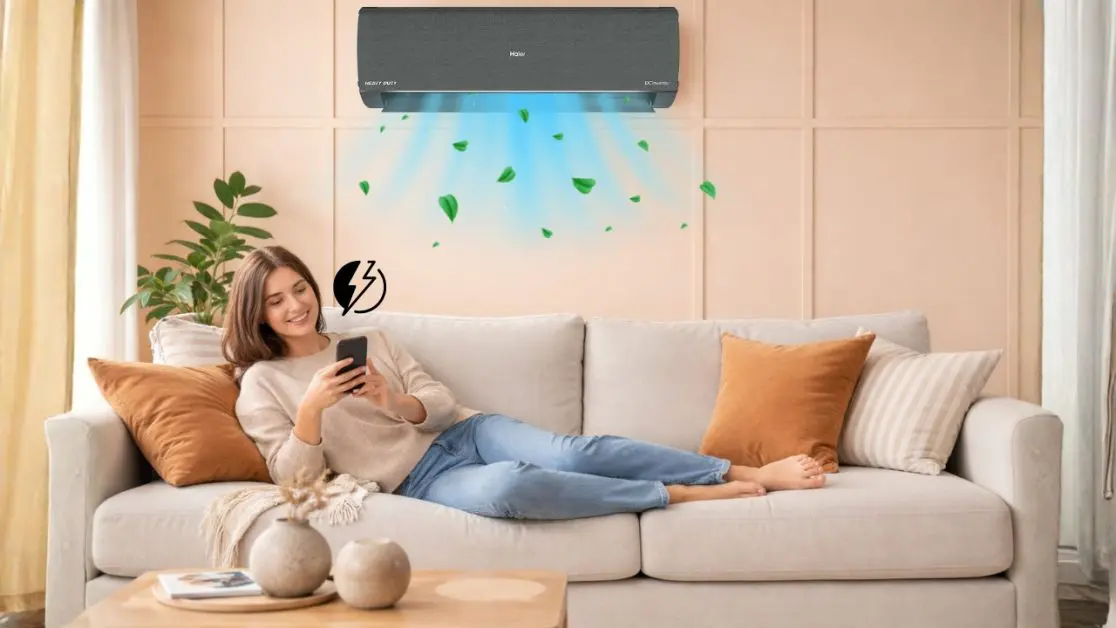
Some technology monitor power usage in real time and display consumption data through mobile interfaces, allowing users to track energy patterns and adjust usage targets.
That changes behavior.
Because what gets measured gets managed.
Here is how intelligent cooling improves efficiency:
- Sensors detect room occupancy
- Cooling adjusts when the room is empty
- Energy-saving modes activate automatically
Human detection sensors can even reduce cooling levels or power down technology when no activity is detected.
Comfort stays intact.
Waste disappears.
Where Scheduled Intelligence Appears in Daily Life
Scheduled intelligence is not only about air conditioners.
It is slowly shaping the entire ecotechnology of home appliances.
Look closely and the pattern emerges.
Morning Routine
- Water heaters prepare hot water before waking hours
- Refrigerators adjust cooling during heavy usage times
Evening Routine
- Air conditioners begin cooling before residents arrive
- Living room lighting adjusts automatically
Night Routine
- Appliances switch to energy-saving modes
- Temperature stabilizes for better sleep
These technology share one principle.
Anticipation replaces reaction.
That single shift changes how homes feel.
The Subtle Psychology of Smart Comfort
Comfort is emotional.
Not just physical.
A room that cools instantly creates relief.
A technology that works automatically creates calm.
But the opposite is also true.
Delayed cooling feels frustrating.
Constant adjustments feel tiring.
Scheduled intelligence removes friction from everyday life.
It allows homes to operate quietly in the background.
Like a good theatre production.
You never notice the lighting adjustments.
You only notice how perfect the scene feels.
Where Haier’s AI Climate technology Fit Into This Shift
Some of the most interesting advances in scheduled intelligence are happening inside modern air conditioning technology.
For example, Haier’s AI-powered climate platform integrates features such as:
- AI Pre-Cooling that anticipates arrival and prepares the room in advance
- AI Target Cooling that directs airflow precisely where comfort is needed
- AI Eco 2.0 modes that balance cooling performance with energy efficiency
Instead of cooling the entire room blindly, airflow can be directed toward the seating area or workspace.
This reduces wasted energy.
And increases comfort speed.
Even self-cleaning functions now operate automatically after certain operating hours, keeping indoor units efficient without manual maintenance.
Scheduled intelligence is not just about cooling schedules.
It extends into maintenance, efficiency, and energy awareness.
The Deeper Pattern Behind Smart Homes
Technology evolves in predictable phases.
First comes power.
Then comes control.
Finally comes intelligence.
Appliances once competed on horsepower.
More cooling.
Faster fans.
Then came remote controls.
Now the competition shifts again.
The real advantage is anticipation.
A technology that predicts needs always feels superior to one that waits for instructions.
That insight applies everywhere.
Cars.
Phones.
Homes.
Comfort is no longer about reacting faster.
Comfort is about preparing earlier.
The Real Lesson: A Comfortable Home Is a Prepared Home
Look at any well-run kitchen.
Ingredients are ready before cooking begins.
Look at a good theatre.
Lighting adjusts before actors enter the stage.
Preparation creates smooth experiences.
Homes operate the same way.
Scheduled intelligence simply brings this principle into everyday living.
Instead of reacting to discomfort, homes prepare for comfort.
And that small shift changes everything.
Because the future of smart living is not technology.
It is quieter technology that work exactly when they should.
And sometimes, a little before you even ask.
Frequently Asked Questions
Why do I feel tired just managing my AC and home appliances every day?
Because small, repeated decisions (like adjusting temperature, switching appliances on/off) create mental fatigue. Scheduled intelligence removes these micro-decisions by automating them based on your habits.
Is smart automation really worth it for my daily routine?
Yes, especially if your schedule is busy. It reduces effort, saves time, and ensures comfort is ready when you need it.
Why does manual control feel more stressful over time?
Manual control requires constant attention. Over time, this builds friction and interrupts your flow at home.
What is AI pre-cooling and how does it work?
It starts cooling your room before you arrive, often using location tracking or learned schedules.
Can smart ACs really detect if I’m in the room?
Yes, many use motion or human detection sensors to adjust cooling based on occupancy.
Do smart appliances only work for ACs?
No scheduled intelligence applies to lighting, refrigerators, water heaters, and more.