
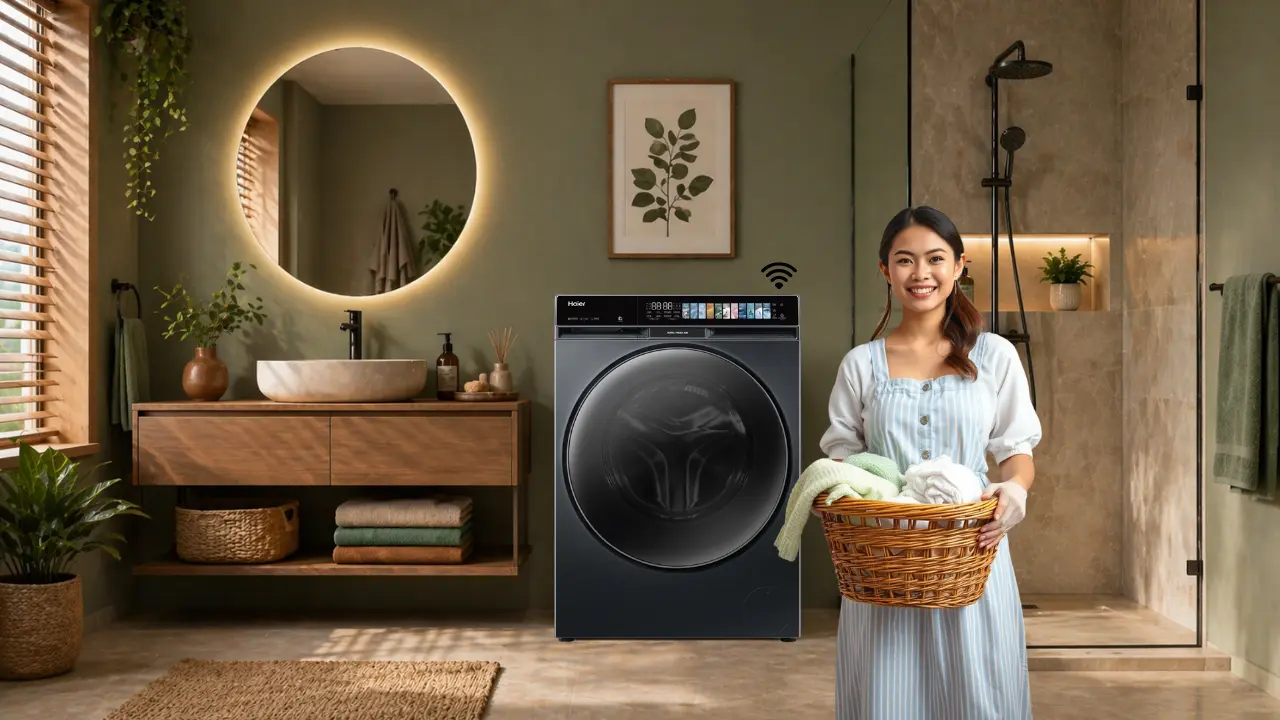

Smart appliances simplify modern living by turning everyday household tasks into intelligent, automated systems that reduce effort, save time, and adapt to real-life routines.
They do not just perform tasks. They anticipate needs, remove friction, and quietly make homes feel more organised, efficient, and responsive.
Why do homes still feel busy despite having more appliances?
It is 9:15 PM.
Dinner is done. Laundry is waiting. The AC is running in the background. Someone opens the fridge, hoping to find something quick for tomorrow.
Everything is working. Yet everything feels manual.
Because most homes still operate on appliances as tools.
Not as systems.
And that is the gap smart appliances are designed to close.
More appliances do not solve chaos. Better systems do.
The real shift: From appliances to intelligent systems
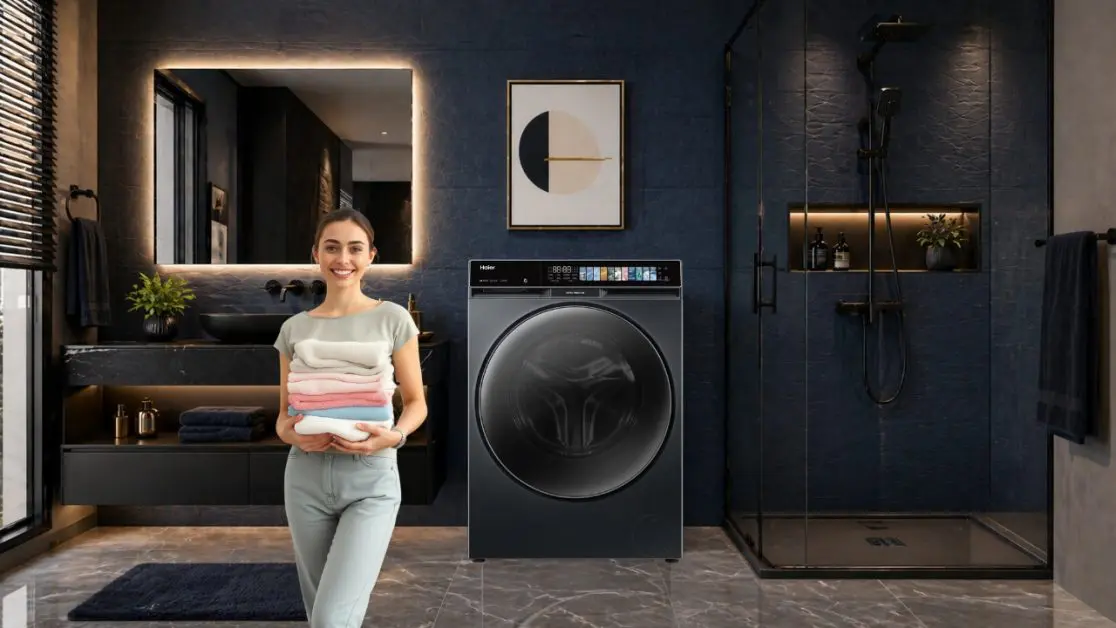
Traditional appliances follow instructions.
Smart appliances understand context.
That difference is not technical. It is transformational.
What traditional appliances expect
- You select the program
- You adjust the settings
- You monitor the outcome
What smart appliances do instead
- They detect usage patterns
- They optimise automatically
- They reduce human intervention
It is the difference between cooking with five separate utensils and using one system that understands the entire recipe.
Convenience is not speed. It is the absence of unnecessary decisions.
How smart appliances fit into real Indian lifestyles
Modern Indian homes are layered.
Work calls overlap with dinner prep. Laundry waits until late at night. Weekends become catch-up days.
Smart appliances work because they respect this reality.
They do not demand attention.
They absorb complexity.
Three ways smart appliances actually change everyday life
1. They remove decision fatigue
Laundry is a perfect example.
Every wash cycle begins with a pause.
Cotton or mix?
Quick wash or heavy?
Cold or warm?
Machines like the Haier 12 Kg F11 Front Load Washer Washing Machine (HW120-DM14F11BKU1) and the Haier 12 Kg F11 Front Load Washer & Dryer Washing Machine (HWD120-DM14F11BKU1) eliminate this pause.
With One Touch AI Wash, the system automatically detects fabric type, load size, and dirt level, then selects the ideal settings.
No guesswork.
No trial and error.
Less thinking leads to better outcomes.
2. They solve problems you did not realise existed
Freshly washed clothes losing freshness overnight is a common issue.
Not a washing problem.
A waiting problem.
Smart systems address this gap.
The same Haier F11 series machines use Ultra Fresh Air Technology to circulate air inside the drum for up to 12 hours after the cycle ends, preventing odor and moisture buildup.
This is not just innovation.
It is understanding behaviour.
Smart appliances improve what happens between tasks.
3. They make efficiency automatic
Efficiency used to require attention.
Now it is built into the system.
Smart dosing, intelligent motors, and AI-driven programs reduce water, energy, and detergent usage without manual control.
For example:
- Direct Motion Motors ensure quieter, energy-efficient performance
- Smart dosing adjusts detergent based on load
The result:
- Lower utility bills
- Better fabric care
- Consistent results
The best efficiency is the one you never have to think about.
What actually makes an appliance “smart”?
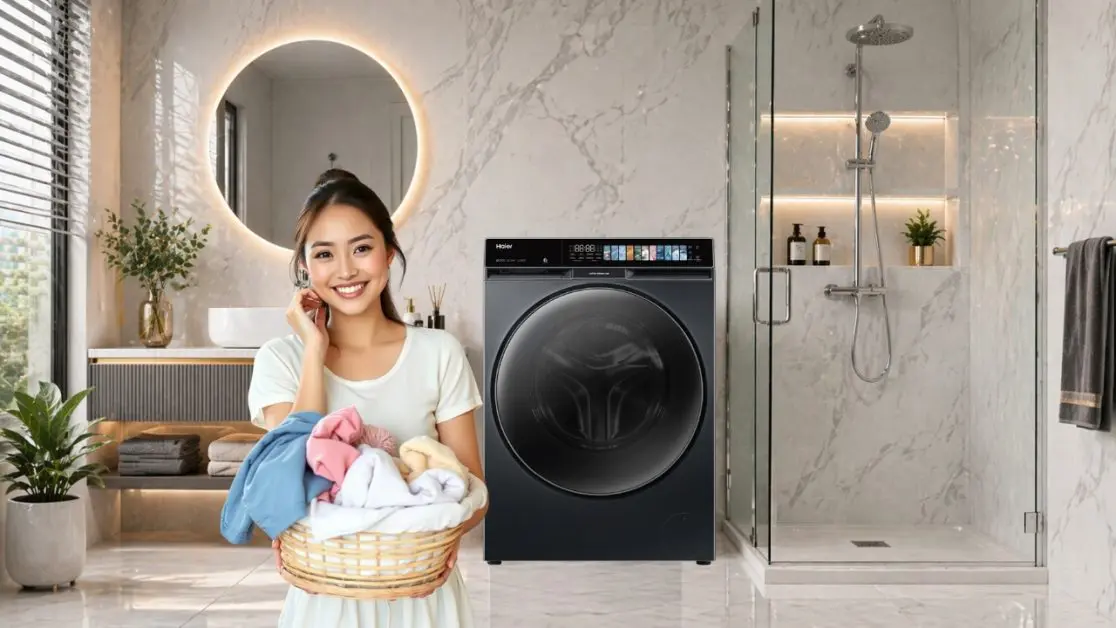
Not every digital appliance is intelligent.
A display does not equal decision-making.
A truly smart appliance does three things well:
1. It senses
- Load weight
- Fabric type
- Environmental conditions
2. It decides
- Wash cycle
- Water level
- Energy usage
3. It adapts
- Learns usage patterns
- Improves over time
- Aligns with real routines
Smart vs traditional appliances
| Factor | Traditional Appliances | Smart Appliances |
| User effort | High | Minimal |
| Decisions | Manual | Automated |
| Efficiency | Inconsistent | Optimised |
| Adaptability | Fixed | Learns patterns |
| Experience | Functional | Seamless |
The system evolves. The effort is reduced.
Where smart appliances really help the most
Kitchen
Appliances that can do more than one thing help keep things neat.
Cooking faster with more consistent results
Not as much switching between tools
Washing
AI washing takes the guesswork out
Smart drying makes you less reliant on the weather.
It’s easier to keep clean without extra work.
Systems for cooling
Smart ACs automatically use the least amount of energy.
The temperature changes based on how you use it.
Places to live
Smart TVs make content more personal.
Entertainment becomes immersive and easy.
The economics of smart living
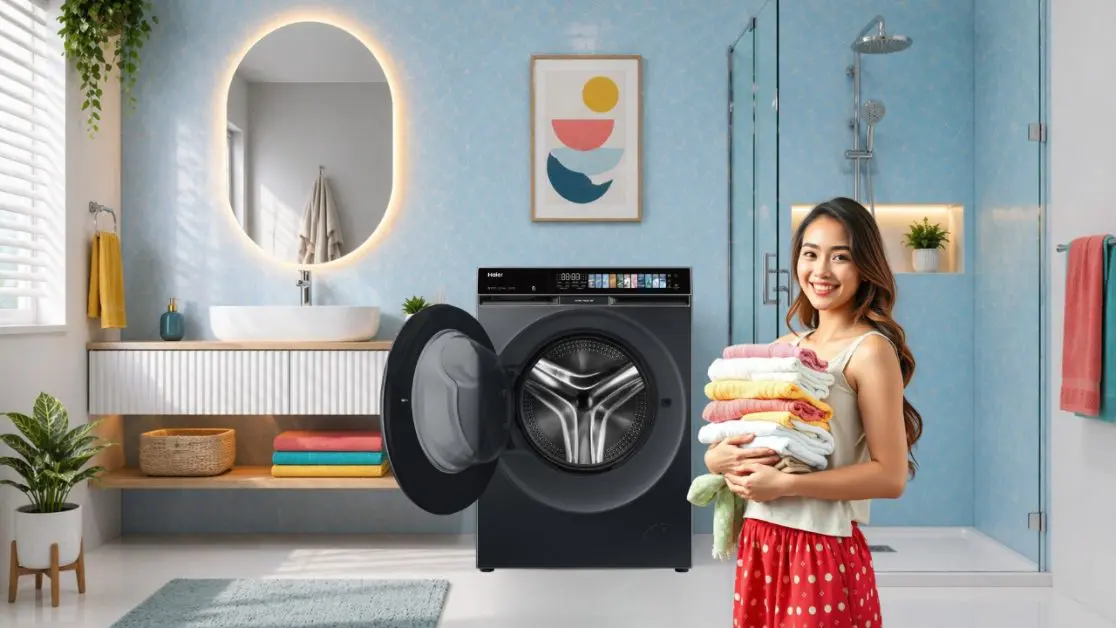
Smart appliances are not just lifestyle upgrades.
They are long-term systems.
Costs
- Higher upfront investment
- Initial learning curve
Benefits
- Reduced electricity bills
- Lower water consumption
- Less detergent waste
- Time saved daily
The real return
Time.
Consistency.
Peace of mind.
Smart living is not expensive. Inefficiency is.
One appliance. Multiple roles.
Modern homes are moving towards consolidation.
Not more devices.
Better systems.
Examples:
- A washing machine that washes, dries, and keeps clothes fresh
- A microwave that cooks, grills, and bakes
- An AC that cools and optimises energy
Complex lives need simple systems.
How to choose the right smart appliance
Not every smart appliance is equal.
The difference lies in how much effort it removes.
Option 1: Feature-heavy appliances
- Many settings
- Requires manual control
- Higher effort
Option 2: Intelligent systems
- AI-driven decisions
- Clear interface
- Minimal intervention
Option 3: Connected ecosystems
- App control
- Remote access
- Fully integrated experience
Choose the system that thinks for you, not the one that asks more from you.
Design is part of the intelligence
Smart appliances are not just functional.
They are visual systems.
Clean panels. Minimal interfaces. Intuitive touch displays.
For instance, AI-powered colour touch panels on machines like the Haier F11 series simplify interaction while enhancing the visual experience.
Good design reduces effort before the first touch.
The bigger shift: Homes that respond
Here is what is really happening.
Homes are becoming responsive.
Not reactive.
- Appliances adjust before you intervene
- Systems optimise before you notice
- Tasks complete without supervision
This is not convenient.
It is intelligence applied quietly.
The one idea that stays with you
Smart appliances are not about doing more.
They are about needing to do less.
And in a world where time is limited and attention is stretched, that changes everything.
Frequently Asked Questions
Why does doing laundry still feel like a mental task every single time?
Because traditional appliances require constant decision-making cycle type, water level, temperature. Smart appliances reduce this by automatically detecting load type, dirt level, and fabric, eliminating the need for micro-decisions.
I feel like I’m always choosing settings wrong. Do smart machines actually fix that?
Yes. AI-powered systems remove guesswork by optimizing settings automatically. This leads to better washing results without trial-and-error cycles.
Is convenience really about speed, or something else?
It’s not speed, it’s fewer decisions. Smart appliances remove unnecessary thinking, which is what actually makes tasks feel easier.
Why do my clothes sometimes smell even after washing?
It’s often due to delayed removal, not poor washing. Smart appliances solve this “between-task gap” by maintaining airflow and preventing moisture buildup.
What behavioral problems do smart appliances solve beyond their primary function?
They solve gaps between tasks like forgotten laundry, inconsistent detergent use, or delayed intervention. These are not mechanical issues but human habit gaps, which smart systems anticipate and correct.
I want faster washes but I don’t want to damage my clothes. What should I prioritize?
Smart appliances balance both automatically. Instead of choosing between speed and care, AI adjusts cycle intensity based on fabric sensitivity.
Do smart machines really save electricity and water, or is that marketing?
They do. Features like smart dosing, load sensing, and efficient motors reduce waste without manual input, making efficiency consistent rather than dependent on user choices.
Do I need app control to call something a smart appliance?
Not necessarily. Intelligence comes from automation and adaptability, not just connectivity. App control is an added layer, not the core feature.