
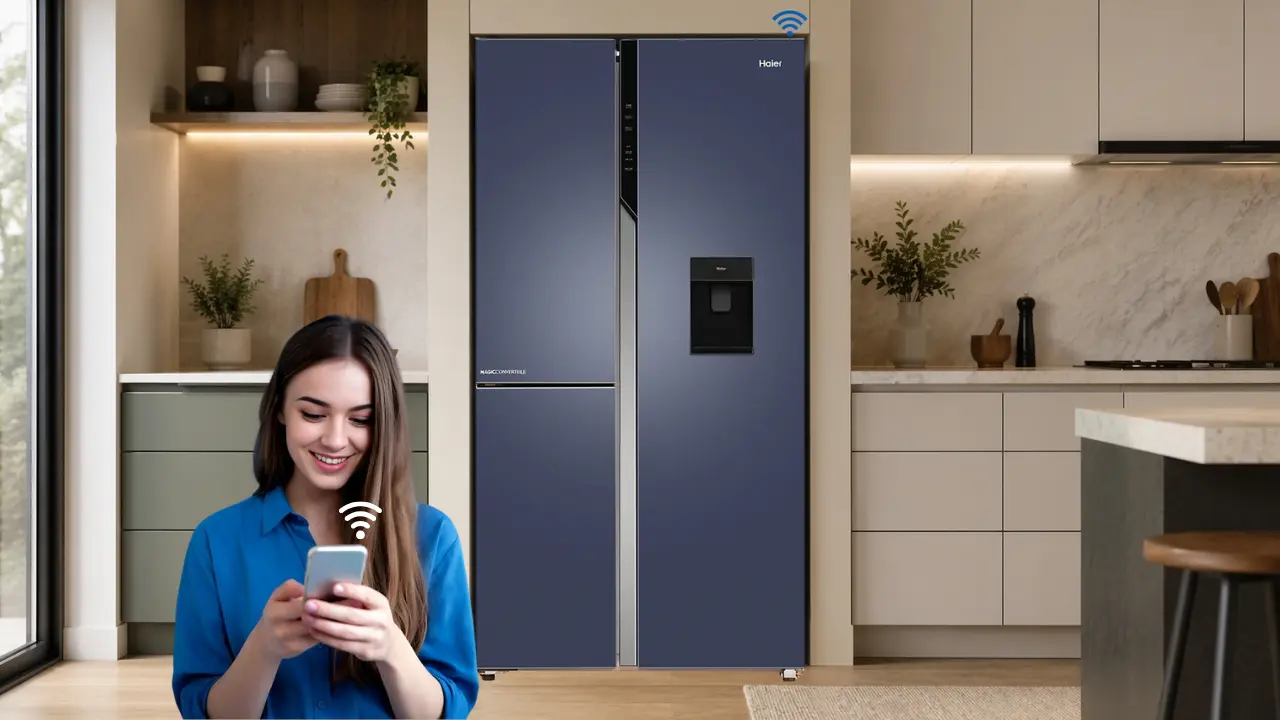

WiFi water dispensers are becoming a key smart kitchen trend in India because they remove everyday friction around drinking water by offering instant access, remote control, precise temperature settings, and smart monitoring, turning a basic need into a seamless, intelligent system.
The real shift is not about water. It is about effort.
It is 10:15 pm.
You walk into the kitchen. You want chilled water instantly. No waiting. No opening bottles. No refilling trays. Just cold water, exactly when you need it.
A small task. Repeated daily.
This is how inefficiency hides. Not in big problems. In small, repeated decisions.
Smart kitchens are not about adding features. They are about removing effort.
And that is exactly why WiFi water dispensers are quietly entering Indian homes.
Why are WiFi water dispensers suddenly everywhere?
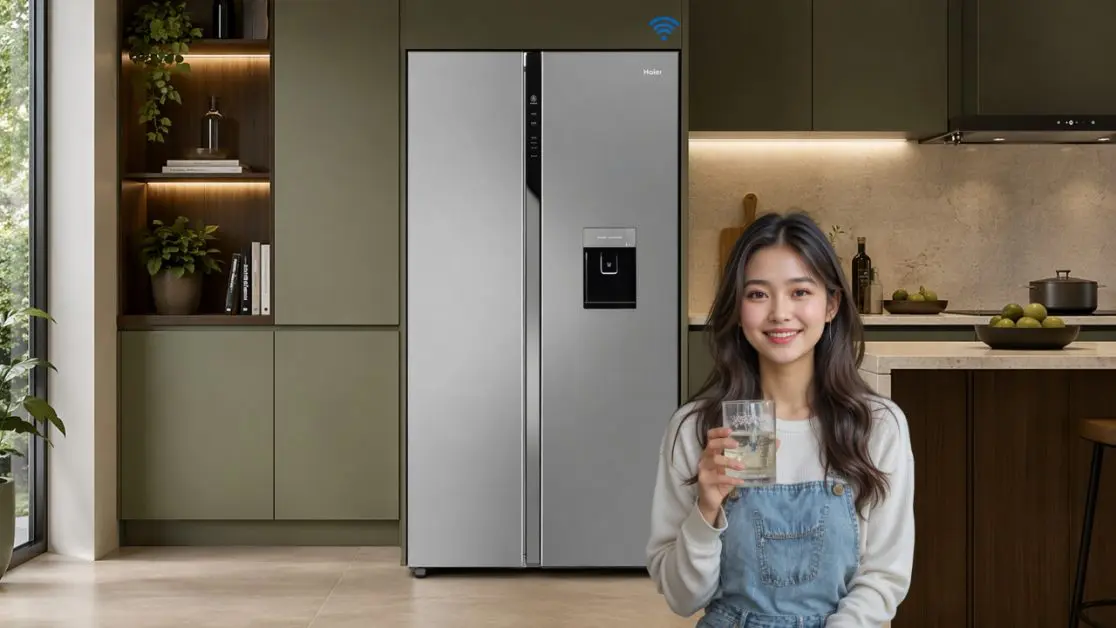
The rise is not random. It follows a pattern.
Every modern appliance is moving in the same direction:
- Less manual control
- More automation
- Better personalisation
- Lower decision fatigue
WiFi water dispensers sit right at the intersection of all four.
What changed in Indian kitchens?
Three shifts are driving adoption:
- Health awareness increased
- More people want easy access to safe, cold drinking water throughout the day
- WHO guidelines emphasise safe drinking water access
- Urban lifestyles became faster
- Dual-income households
- Less time for repetitive tasks
- Smart ecosystems expanded
- Smart TVs, smart ACs, smart refrigerators
- Kitchens are catching up
Insight: When lifestyle speeds up, appliances must slow things down.
What exactly is a WiFi water dispenser?
A WiFi water dispenser is a smart appliance that cools, and dispenses water while allowing control through a mobile app or voice assistant.
But that definition misses the point.
It is not a dispenser. It is a system.
What it actually does in real life
- Dispenses instant chilled water conveniently
- Allows remote control through smartphone
- Tracks usage and consumption patterns
- Offers instant cold water
Think of it like this.
A traditional water setup is like a gas stove. You control everything.
A WiFi water dispenser is like an induction cooktop. It controls itself.
The hidden system behind smart hydration
Most homes don’t struggle with access to water.
They struggle with consistency.
- Sometimes chilled water is not readily available
- Sometimes you forget to drink
This is where smart systems win.
Three ways WiFi water dispensers change behaviour
1. They remove waiting time
Cost: Higher upfront investment
Benefit: Saves time daily
2. They create predictable routines
Easy access to chilled water encourages better daily hydration habits.
Cost: Requires setup
Benefit: Reduces mental load
3. They enable remote control
Start Cooling water before you reach home.
Cost: Requires WiFi connectivity
Benefit: Convenience scales with usage
Aphorism: Convenience is not luxury. It saves attention.
How WiFi water dispensers fit into modern Indian kitchens
Look at a typical Indian kitchen today.
There is already a system forming:
- Refrigerator manages storage
- Microwave handles reheating
- Induction or gas stove cooks
- RO purifies water
But water itself still sits outside the system.
Manual. Unstructured.
WiFi water dispensers bring water into the system.
A simple comparison
| Task | Traditional Method | WiFi Water Dispenser |
| Cold water access | Requires manual cooling/storage | Instant chilled water |
| Monitoring usage | None | App-based tracking |
| Convenience | Low | High |
| Time required | 5 to 10 minutes | Seconds |
Insight: Smart kitchens are not about gadgets. They are about systems working together.
The role of smart connectivity in kitchen appliances
Connectivity is often misunderstood.
People think it is about controlling appliances from a phone.
It is not.
Connectivity is about coordination.
Take an example.
A smart refrigerator with an inbuilt water dispenser and connectivity can already manage hydration better than traditional setups.
For instance, models like the Haier 596L Regal Steel Smart Convertible Refrigerator integrate features like:
- Inbuilt water dispenser for easy access
- Smart connectivity for monitoring and control
- Smart food management systems
This shows something important.
Appliances are no longer standalone. They are becoming part of a network.
What makes WiFi water dispensers different from normal ones?
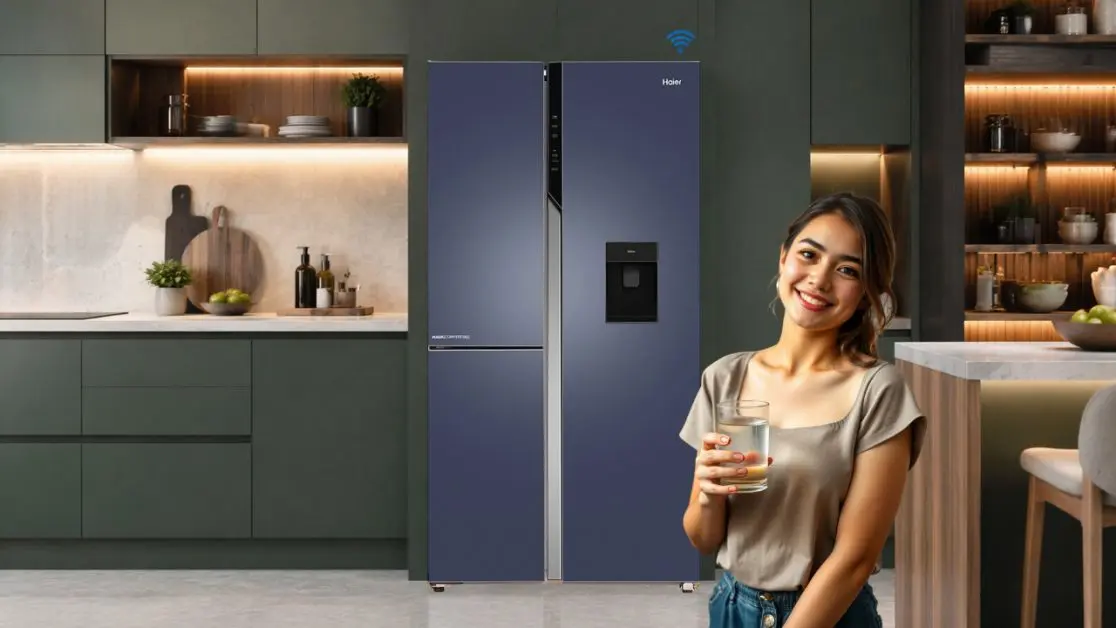
At a glance, both look similar.
But the difference is not visible. It is behavioural.
Key differences that matter
- Normal dispenser
- Fixed temperatures
- Manual operation
- No feedback system
- WiFi dispenser
- Instant access to cold water
- App control and scheduling
- Data insights and reminders
What this means in practice
One option is reactive.
The other is predictive.
Aphorism: Smart systems do not wait for instructions. They anticipate them.
Who is driving this trend in India?
It is not just tech enthusiasts.
The adoption is coming from very specific groups.
Three clear user segments
1. Young professionals living alone
- Need speed and convenience
- Prefer minimal effort routines
2. New couples setting up homes
- Investing in long-term comfort
- Building integrated smart kitchens
3. Health-conscious families
- Focus on consistent hydration and convenient cold water access
- Need safe and controlled hydration
Each group has a different reason.
But the outcome is the same.
Less friction. More control. Better habits.
The real costs and benefits of WiFi water dispensers
Every decision has trade-offs.
Smart kitchens are no exception.
Costs
- Higher upfront price
- Dependency on electricity and WiFi
- Learning curve for features
Benefits
- Saves time daily
- Improves consistency in water intake
- Reduces manual effort
- Enhances safety and precision
A simple way to think about it
- Short-term cost: Money
- Long-term gain: Time and attention
Insight: The best appliances do not save money. They save time repeatedly.
Are WiFi water dispensers a necessity or a luxury?
This is the wrong question.
Because every appliance starts as a luxury.
Then it becomes invisible.
Think about refrigerators.
Once optional. Now essential.
WiFi water dispensers are at that early stage.
Three possible choices
One option is to ignore the trend
- Continue with manual systems
- Accept small inefficiencies
The second option is to adopt partially
- Use smart appliances selectively
- Upgrade gradually
The third option is to build a smart system
- Integrate appliances
- Focus on convenience and coordination
There is no right answer.
Only alignment with lifestyle.
What this trend reveals about the future of Indian homes
The rise of WiFi water dispensers is not about water.
It is about control.
It is about reducing decisions.
It is about creating systems that work quietly in the background.
A larger pattern is emerging
- Appliances are becoming intelligent
- Homes are becoming responsive
- Routines are becoming automated
And the kitchen is leading this shift.
Because the kitchen is where repetition lives.
And repetition is where inefficiency hides.
The one idea worth remembering
A smart kitchen is not the one with the most appliances. It is the one that asks the least from you.
WiFi water dispensers are a small step in that direction.
But small steps, repeated daily, reshape how homes feel.
Less effort.
More flow.
And a kitchen that works with you, not against you.
Frequently Asked Questions
I keep forgetting to chill water bottles. Would a WiFi water dispenser actually help me?
Yes, if your main pain point is repeat effort. It gives instant chilled water without planning, bottle rotation, or waiting.
I come home tired and want cold water immediately. Is this where a smart dispenser makes sense?
This is exactly the use case. Remote cooling and instant access reduce small daily hassles.
Do WiFi water dispensers really save time, or is it just another smart gadget?
They save small amounts of time repeatedly. The value comes from removing daily friction, not from one big feature.
What can a WiFi water dispenser do that a normal dispenser cannot?
It can offer app control, scheduling, usage tracking, smart reminders, and remote cooling.
Why would I control a water dispenser from my phone?
For convenience, such as starting cooling before you reach home or monitoring usage without checking manually.
Are WiFi water dispensers part of the smart kitchen trend in India?
Yes. They fit into the broader move toward connected refrigerators, smart ACs, app-based appliances, and automated routines.