
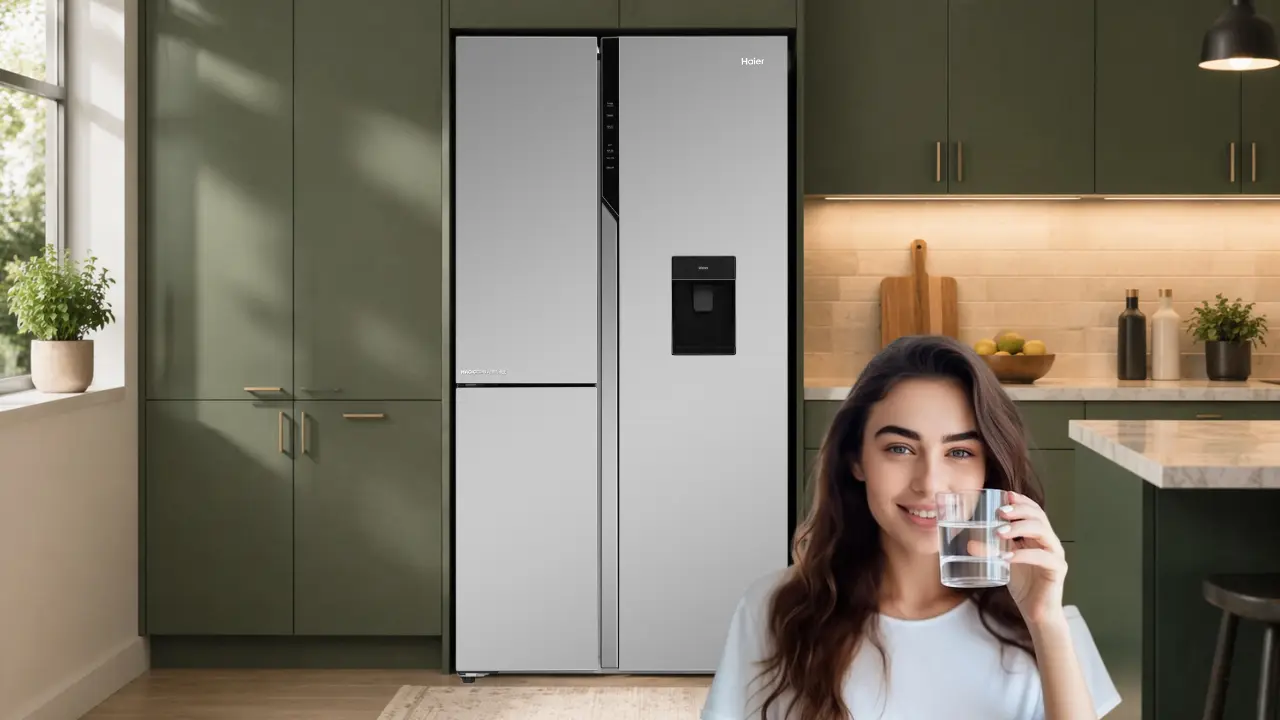

Haier combines safety and technology in water dispensers by integrating BPA-free materials, controlled dispensing systems, antibacterial protection, and smart connectivity.
The result is simple. Clean water, controlled access, and intelligent usage that fits the rhythm of modern Indian homes.
A glass of water is never just a glass of water.
It is 11:30 pm.
Someone walks into the kitchen. Half asleep. No lights. No thinking.
Just a habit.
Open fridge. Pour water. Drink. Go back.
This moment repeats itself in almost every Indian home. Daily. Quietly.
And yet, this simple act hides a complex question.
How safe is the water you drink without thinking?
Because convenience without safety is a risk.
And safety without convenience gets ignored.
The real innovation lies in combining both.
Why safety in water dispensing is no longer optional
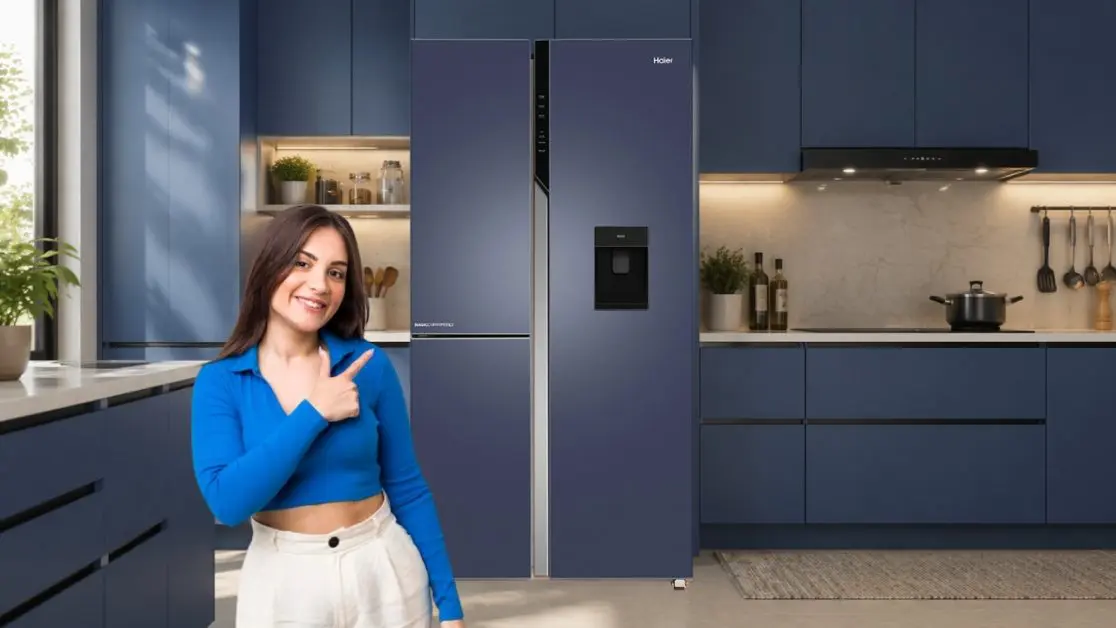
India’s water habits are changing.
- Urban households are consuming 2x more chilled water during summers
- Families now rely on appliances for daily hydration, not occasional use
- Children and elderly depend on easy, safe access to water
This changes the expectation.
Water dispensers are no longer luxury add-ons.
They are daily-use systems.
And systems must be safe by design.
The hidden risks most homes overlook
Let’s break it down simply.
One option is traditional storage
- Steel bottles. Manual handling.
- Safe, but requires effort and discipline.
The second option is basic dispensers
- Easy access.
- But often lacks material safety or hygiene control.
The third option is smart dispensing systems
- Designed with safety layers.
- Controlled access. Clean materials. Intelligent usage.
The difference is not visible.
It is engineered.
What “safe water dispensing” actually means
Safety is not one feature.
It is a system.
A well-designed water dispenser solves for four invisible problems:
1. Material safety
The water you drink touches surfaces before reaching you.
- BPA-free materials ensure no harmful chemical leaching
- Food-grade components protect taste and purity
For example, Haier integrates BPA-free inbuilt water dispensers, ensuring safe hydration without opening the refrigerator
A simple shift. A big implication.
What touches your water matters more than what cools it.
2. Hygiene control
Water dispensers can become breeding grounds if ignored.
Modern systems solve this through:
- Anti-bacterial technologies
- Sealed dispensing units
- Reduced exposure to external air
Some Haier systems use anti-bacterial technology that removes up to 99.99% bacteria, maintaining hygiene over time
Because hygiene is not about cleaning once.
It is about preventing contamination in the first place.
3. Controlled dispensing
Think about a child using a dispenser.
Or someone half asleep at night.
Safety here means:
- No spillage
- No excessive flow
- No accidental activation
Modern dispensers use:
- Push-controlled flow systems
- Measured output
- Ergonomic design
This is not just convenience.
It is risk management built into design.
4. Temperature safety
Hot water. Cold water. Room temperature.
Each comes with its own risks.
Smart systems ensure:
- Stable temperature control
- No sudden fluctuations
- Safe dispensing zones
Because temperature is not just about comfort.
It is about control.
Where technology quietly changes everything
Safety sets the foundation.
Technology makes it effortless.
And the real shift happens when both work together.
The rise of intelligent water systems
Today’s water dispensers are no longer isolated features.
They are part of a connected ecosystem.
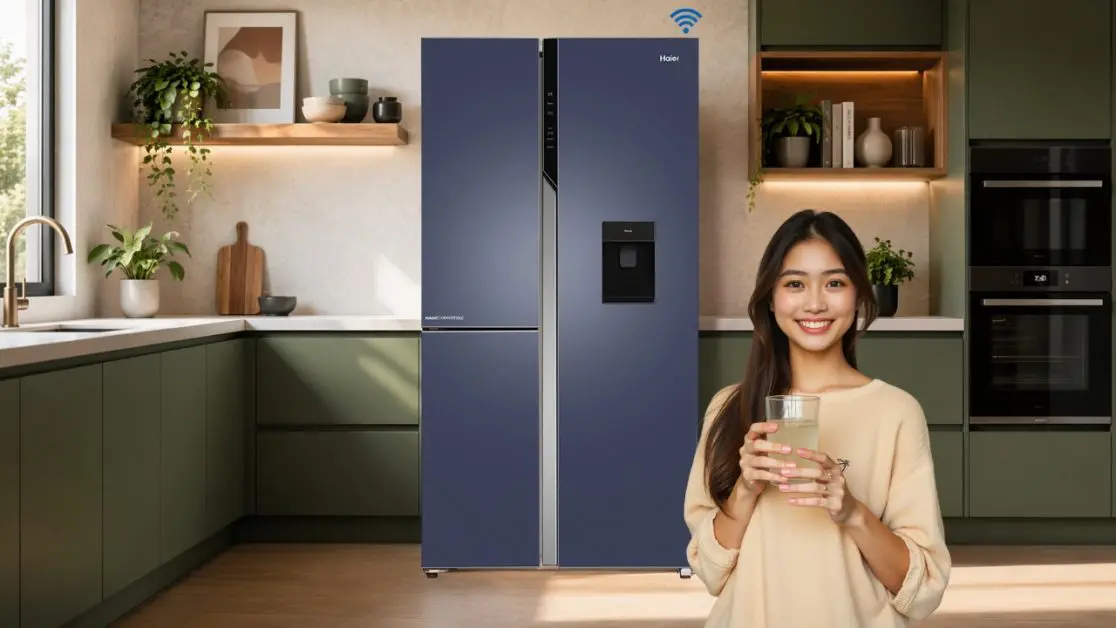
In models like the Haier 592L Graphite Black 3 Door Smart Convertible Refrigerator (HRT-683WGKU1), water dispensing is integrated into a broader smart system that includes:
- WiFi connectivity
- Smart food management
- AI-driven energy efficiency
Which means one thing.
The appliance understands usage patterns, not just commands.
How smart technology improves safety
Let’s break this into real-world benefits.
1. Less physical contact
Smart systems reduce touchpoints.
- No need to open doors repeatedly
- Minimal contact with internal storage
Result:
- Lower contamination risk
- Better hygiene
2. Real-time monitoring
Connected appliances allow:
- Tracking usage patterns
- Monitoring performance
- Identifying irregularities
This is subtle.
But powerful.
Because systems that monitor themselves fail less.
3. Energy-efficient operation
Water cooling consumes energy.
Smart inverter systems ensure:
- Stable cooling cycles
- Reduced electricity consumption
- Longer appliance life
Haier’s Expert Inverter Technology optimizes cooling while maintaining efficiency
Which leads to a simple insight:
Efficient systems are safer systems. They fail less.
The design philosophy behind safe technology
Good appliances solve visible problems.
Great appliances solve invisible ones.
Let’s look at how design thinking plays a role.
What Haier seems to optimize for
From observing product systems, three patterns emerge:
1. Reduce friction
- Water access without opening doors
- Easy-to-use controls
- Seamless integration
Because if something is hard to use, people avoid it.
And avoided systems become unsafe systems.
2. Reduce exposure
- Closed dispensing units
- Anti-bacterial interiors
- Controlled airflow
Less exposure means less contamination.
Simple logic.
3. Increase awareness without effort
- Digital control panels
- Smart alerts
- Visible status indicators
You don’t need to think.
The system reminds you.
A simple comparison that changes how you see it
| Feature | Basic Dispenser | Smart Safe Dispenser |
| Material | Standard plastic | BPA-free, food-grade |
| Hygiene | Manual cleaning | Anti-bacterial protection |
| Control | Free flow | Controlled dispensing |
| Connectivity | None | Smart monitoring |
| Efficiency | Fixed | Inverter-driven |
The difference is not in one feature.
It is in how the system behaves over time.
Why Indian homes need this shift now
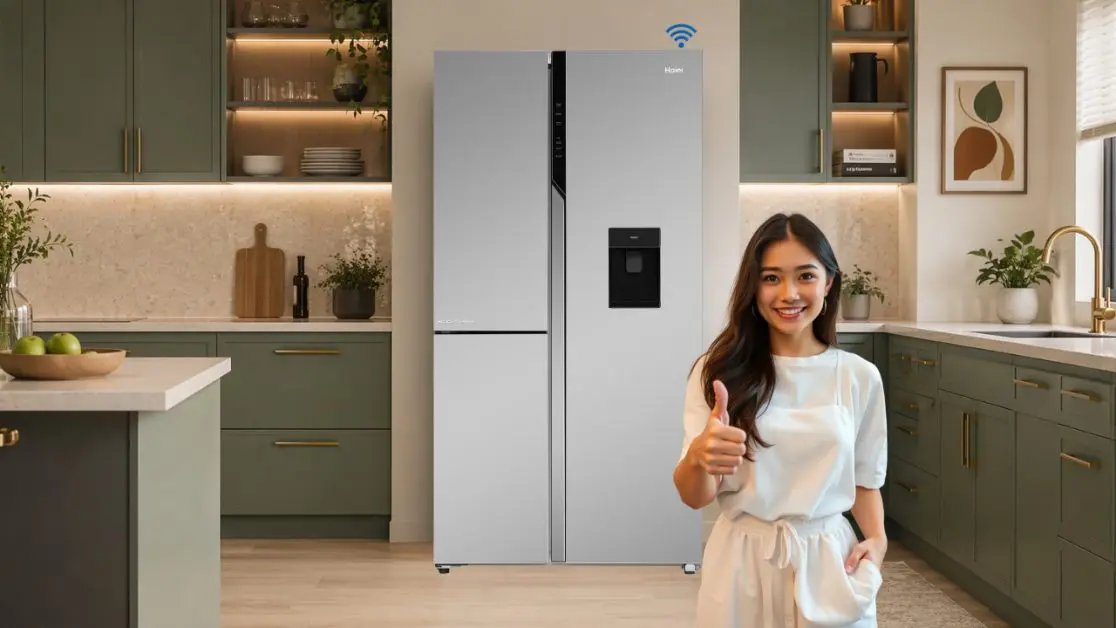
Let’s zoom out.
The lifestyle shift is real
- Smaller families, but higher appliance dependence
- Working professionals relying on quick access
- Children using appliances independently
This changes the expectation.
Appliances must be safe even when you are not paying attention.
The climate factor
Indian summers are getting hotter.
- Increased water consumption
- Higher demand for chilled water
- Frequent refrigerator usage
This increases stress on appliances.
Which means safety cannot depend on manual habits anymore.
It must be built into the system.
Three ways to think about choosing a water dispenser
This is where decisions become clearer.
One option is “basic functionality”
- Low cost
- Minimal features
Cost: Lower upfront
Risk: Higher long-term hygiene issues
The second option is “feature-heavy appliances”
- Multiple modes
- Complex controls
Cost: Higher learning curve
Risk: Underutilization
The third option is “intelligent simplicity”
- Safety-first design
- Smart integration
- Effortless usage
Cost: Balanced
Benefit: Long-term reliability and trust
The real insight most people miss
Water dispensers are not about water.
They are about behaviour.
They shape how often you hydrate.
How safely you consume.
How easily your family interacts with your kitchen.
Design changes behaviour. Behaviour shapes health.
What this means for your home
The next time you pour water, notice something.
Do you think about safety?
Or do you assume it?
The best systems are the ones you never question.
Because they quietly handle everything.
A final thought worth remembering
Technology impresses.
Safety reassures.
But the real magic happens when both disappear into everyday life.
No noise. No effort. No second thoughts.
Just a glass of water.
Exactly as it should be.
Frequently Asked Questions
I’m confused. Do I really need a smart water dispenser or is a basic one enough?
If your usage is occasional, basic works. But for daily hydration (especially in Indian homes), smart dispensers offer long-term safety, hygiene, and ease.
Why does a water dispenser feel like such a complicated decision now?
Because it’s no longer just about cooling water it’s about health, hygiene, and daily convenience.
Do I really need WiFi in a water dispenser?
Not for water itself but for monitoring, efficiency, and maintenance alerts.
How does smart tech improve safety?
By reducing touchpoints, enabling monitoring, and ensuring stable performance.
Is smart tech just a gimmick in appliances?
Not when it improves hygiene, efficiency, and reliability.
What’s special about Haier’s smart systems?
Integration like in the Haier 592L Graphite Black 3 Door Smart Convertible Refrigerator, where water dispensing is part of a connected ecosystem.
Why is water dispensing suddenly so important in Indian homes?
Because of higher consumption, hotter climates, and increased appliance dependency.
Does a better dispenser really affect my health?
Yes, hydration habits and water safety directly impact well-being.