
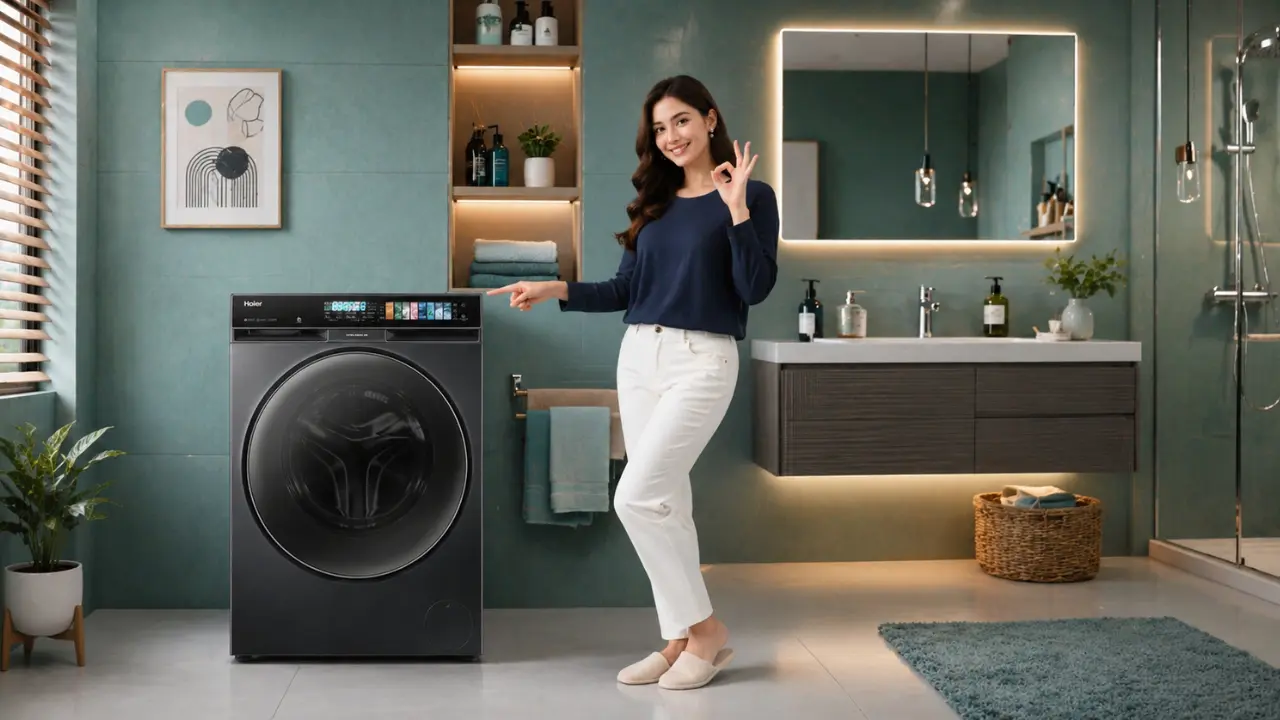

Smart display panels are changing how Indian homes interact with appliances
Smart home appliances with advanced display panels do more than look modern. They reduce friction. They simplify decisions. A washing machine that guides fabric care. A refrigerator that shows cooling modes clearly. An AC that helps manage power consumption visually. The screen is no longer decorated. It is becoming the language between people and machines.
A decade ago, most appliances hid their intelligence.
Buttons looked mechanical. Displays looked transactional. Users memorised symbols instead of understanding systems.
That model is fading.
Modern Indian homes are becoming more interface-driven. The same way smartphones replaced keypad phones, advanced display panels are quietly redesigning the appliance experience itself.
Because convenience is not just automation.
Convenience is clarity.
The best technology disappears into the background
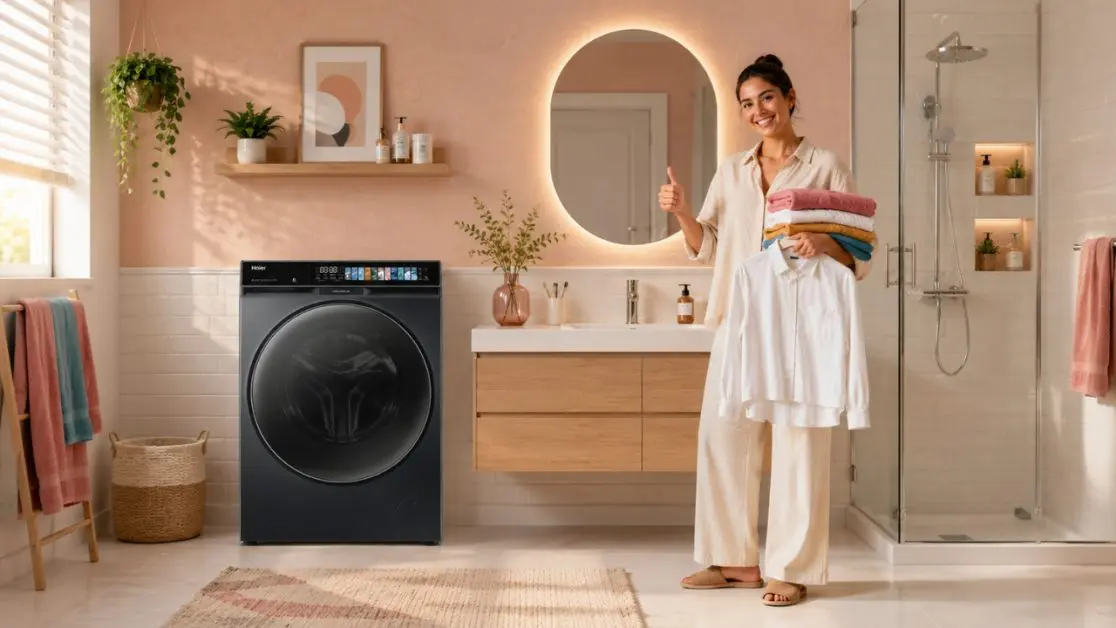
Think about the last time someone struggled with an appliance manual.
It usually happens during urgency.
Late-night laundry.
Unexpected guests.
Summer heat.
Festival cooking.
Power fluctuations.
The problem is rarely the appliance itself.
The problem is decision overload.
Advanced display panels solve this by turning complex appliance systems into visible, intuitive experiences.
That shift matters more than people realise.
Why display panels suddenly matter in Indian homes
Indian households operate differently from many Western markets.
Multiple generations often share one space.
Domestic routines overlap.
Appliances run continuously.
Electricity awareness is high.
Climate conditions change rapidly.
This creates one hidden requirement:
Appliances must communicate clearly.
A smart display panel reduces the mental effort required to operate a machine.
Not through complexity.
Through visibility.
One glance tells you:
- Remaining wash time
- Cooling mode
- Indoor temperature
- Energy-saving status
- Child lock activation
- Water temperature
- AI recommendations
- Hygiene modes
Tiny information.
Massive psychological relief.
Because uncertainty creates friction inside homes.
Clarity reduces it.
Display panels are becoming behavioural systems
Most people think appliance displays are cosmetic upgrades.
That is incomplete thinking.
Modern display systems shape behaviour itself.
A refrigerator display that visibly tracks cooling settings encourages smarter food storage habits.
An AC display that shows energy modes changes how families think about electricity usage.
A washing machine with guided programs reduces incorrect washing cycles.
Technology teaches through interaction.
Quietly.
The old appliance model depended on memory
Older appliances assumed users would remember instructions.
Turn the knob here.
Press this sequence.
Count the blinking lights.
Decode the symbols.
That system worked when appliances were simple.
Modern appliances are not simple anymore.
Today’s smart washing machines manage:
- AI wash sensing
- Fabric optimisation
- Temperature control
- Hygiene cycles
- Fresh air circulation
- Water balancing
- Delay timers
- Energy optimisation
Without intelligent display panels, most of these features stay unused.
That is the hidden truth of modern appliances:
A feature nobody understands behaves like a feature that does not exist.
The rise of touch interfaces inside Indian homes
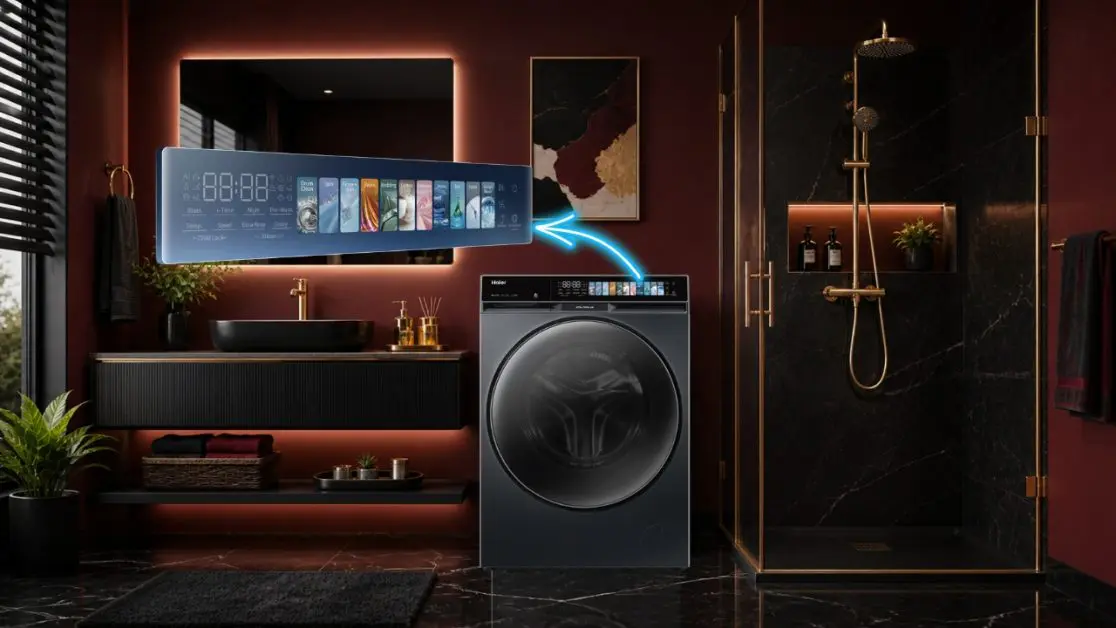
Walk into a newly designed apartment in Bengaluru, Gurgaon, or Pune.
The visual language has changed.
Minimal kitchens.
Clean surfaces.
Muted colours.
Integrated lighting.
Fewer physical buttons.
Appliances are following the same design philosophy.
Touch panels feel aligned with how younger homeowners already interact with technology daily.
Phones trained people to expect responsiveness.
Streaming platforms trained people to expect visual simplicity.
Smart appliances are adapting to those expectations.
Not because touch panels look futuristic.
Because they reduce resistance.
One option is utility-first design
Some households prioritise practicality.
Large fonts.
Bright indicators.
Simple program layouts.
Straightforward controls.
This matters for families with older parents or first-time smart appliance users.
The best smart display systems do not intimidate people.
They orient them.
The second option is lifestyle-first design
Urban Indian buyers increasingly care about visual harmony.
Appliances are visible now.
Open kitchens changed that.
A premium front-load washing machine with an elegant LED display feels different inside a modern utility area.
A sleek refrigerator display complements modular kitchen aesthetics.
Technology became interior design.
That shift is permanent.
The third option is intelligence-first design
Some advanced display panels actively guide users.
This is where smart systems become interesting.
For example, select Haier washing machine models like the Haier 12 Kg F11 Front Load Washer and Haier 12 Kg F11 Front Load Washer & Dryer integrate intelligent interfaces that simplify complex wash management through clearer program visibility, AI-supported operations, and modern touch-based interaction.
The goal is not to impress users with technology.
The goal is to reduce daily cognitive load.
That distinction matters.
Smart display panels are solving emotional problems, not technical ones
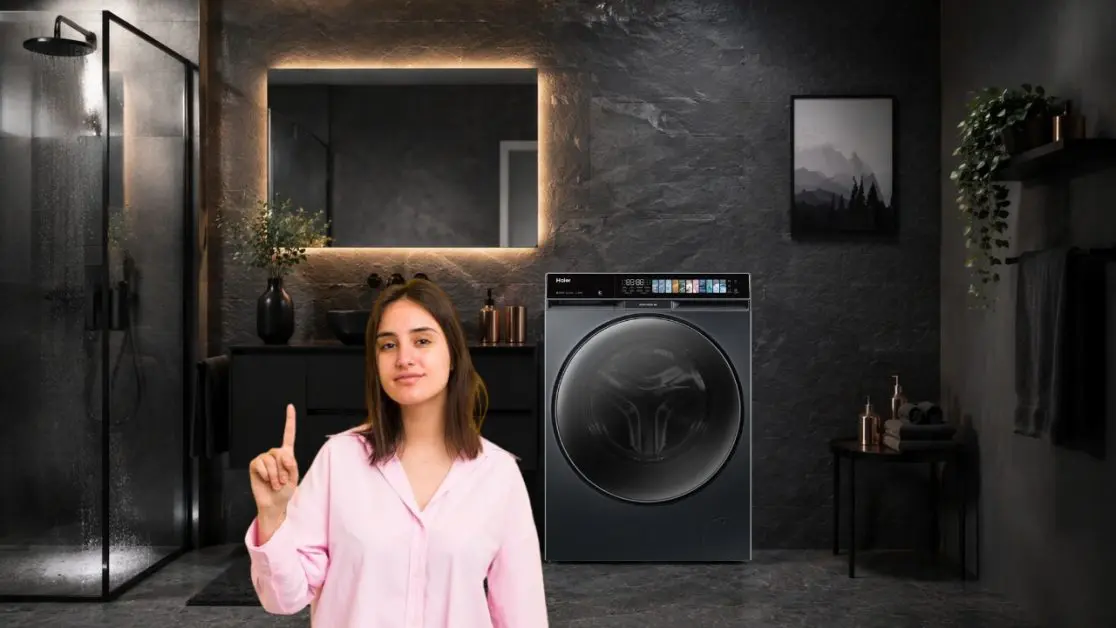
This sounds counterintuitive at first.
But look closely.
Most appliance frustrations are emotional:
- “Did I select the right mode?”
- “How much time is left?”
- “Why is this blinking?”
- “Did the machine actually start?”
- “Is this consuming too much power?”
- “Did someone activate the child lock?”
Advanced display systems answer uncertainty immediately.
That changes how homes feel.
Calmer.
More predictable.
Less chaotic.
A home is partly designed through architecture.
But it is also designed through feedback systems.
The invisible psychology of appliance displays
Airports use display systems to reduce crowd confusion.
Restaurants use menus to reduce ordering hesitation.
Streaming apps use interfaces to reduce search fatigue.
Smart appliances are solving similar behavioural problems inside homes.
Good display design removes hesitation.
Bad display design increases dependence on manuals, technicians, or trial-and-error learning.
That is why premium appliances increasingly invest in display intelligence.
Not because screens are trendy.
Because human attention is limited.
Advanced display panels help appliances age better
This is rarely discussed.
But it matters.
An appliance lasts years.
Sometimes a decade.
Mechanical-looking interfaces age faster psychologically.
Modern display systems feel adaptable.
Software-like.
Responsive.
Current.
This influences long-term satisfaction more than people admit.
Especially for younger buyers furnishing their first homes.
They are not just buying machines.
They are building environments.
Why younger Indian households care more about appliance interfaces
Millennial and Gen Z buyers grew up during India’s digital acceleration.
They experienced:
- The shift from cable TV to streaming
- The transition from keypad phones to smartphones
- UPI replacing cash interactions
- Food delivery apps replacing phone calls
- Smart assistants entering daily routines
Naturally, appliance expectations evolved too.
People no longer separate technology from lifestyle.
The appliance is part of the experience.
That is why advanced display panels matter psychologically.
They make technology feel approachable instead of industrial.
The future appliance is less mechanical and more conversational
The most powerful interfaces rarely feel technical.
They feel natural.
An AC that visually recommends energy-efficient cooling.
A refrigerator that simplifies temperature adjustments.
A washing machine that clearly communicates fabric care settings.
These systems reduce micro-decisions.
And modern life is increasingly exhausted by micro-decisions.
That is the bigger pattern underneath smart home appliances.
People are not searching for more features anymore.
They are searching for fewer frictions.
A good interface reduces thinking
That sentence sounds simple.
It is not.
Every successful consumer technology product eventually learns the same lesson:
Humans do not want to manage systems constantly.
They want systems that manage complexity quietly.
That is why advanced display panels matter.
Not because they are shiny.
Not because they are digital.
Not because they photograph well in showrooms.
Because they translate machine intelligence into human clarity.
How advanced display panels fit into the larger smart home shift
Smart homes are often misunderstood.
People imagine futuristic houses controlled entirely by voice assistants.
But the real smart home revolution is subtler.
It looks like this:
- Appliances communicating status clearly
- Machines reducing energy waste automatically
- Interfaces simplifying routines
- Systems adapting to behaviour patterns
- Technology becoming emotionally invisible
That last idea matters most.
The best smart appliance does not constantly remind you it is smart.
It simply makes daily life smoother.
Quietly.
Repeatedly.
Reliably.
That is the hidden system shaping modern Indian homes.
Not bigger screens.
Not louder technology.
Better conversations between people and the machines they live with.
And advanced display panels are becoming the vocabulary of that conversation.
Frequently Asked Questions
Why do smart display panels matter more than regular appliance controls?
Smart display panels reduce confusion by showing clear information such as remaining cycle time, energy mode, temperature settings, and recommendations. Instead of memorizing symbols or reading manuals, users can make decisions quickly.
Do advanced display panels actually make appliances easier to use?
Yes. Modern appliances often contain dozens of features. A good display panel organizes those features visually, making them easier to understand and access.
Are smart display appliances worth paying extra for?
For many households, the value comes from convenience, reduced mistakes, better visibility, and easier operation rather than the display itself.
How do display panels reduce daily stress?
They answer common questions instantly, such as:
How much time is left?
Which mode is active?
Is child lock enabled?
Is energy-saving mode on?
This reduces uncertainty and mental effort.
Can a smart display panel improve laundry results?
Indirectly, yes. It helps users choose appropriate fabric settings, temperature options, hygiene cycles, and AI-recommended programs.
Why do I keep using the same wash cycle even though my machine has many options?
Many users ignore advanced features because they are difficult to find or understand. Clear display panels increase feature usage by making options visible and understandable.