
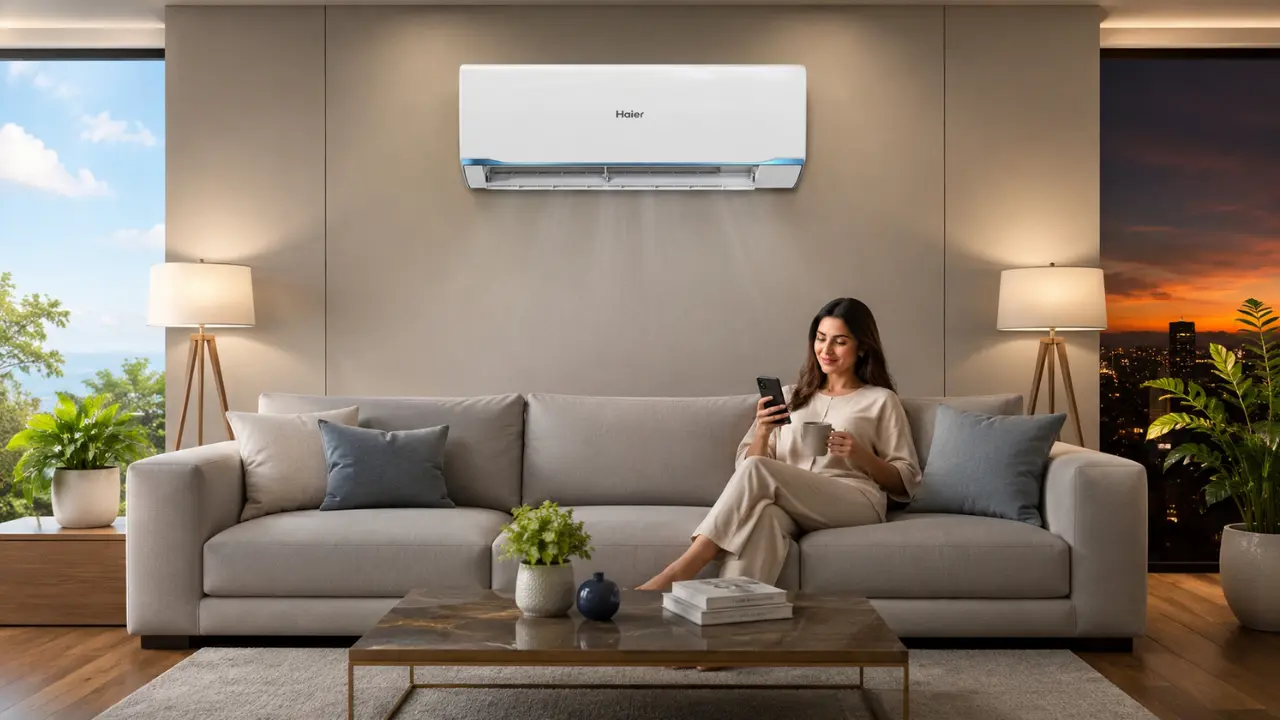

Adaptive Cooling Technology Explained in Simple Words
Adaptive cooling technology helps an air conditioner adjust itself based on room conditions, weather, humidity, occupancy, and usage patterns instead of running at one fixed speed all the time. In real Indian homes, that means better comfort, lower electricity consumption, more stable cooling, and fewer moments where someone reaches for the remote every twenty minutes.
Cooling used to be mechanical.
Now it is behavioural.
That shift changes everything.
At 2 AM, one person feels cold while another still feels warm.
At 4 PM, sunlight turns the living room into an oven.
At 7 PM, six people gather for dinner and suddenly the room temperature changes again.
Most traditional ACs react slowly to these shifts. Adaptive cooling systems respond dynamically.
That is the hidden difference.
The future of air conditioning is not stronger cooling.
It is a smarter adjustment.
Why Traditional Cooling Often Feels Inconsistent
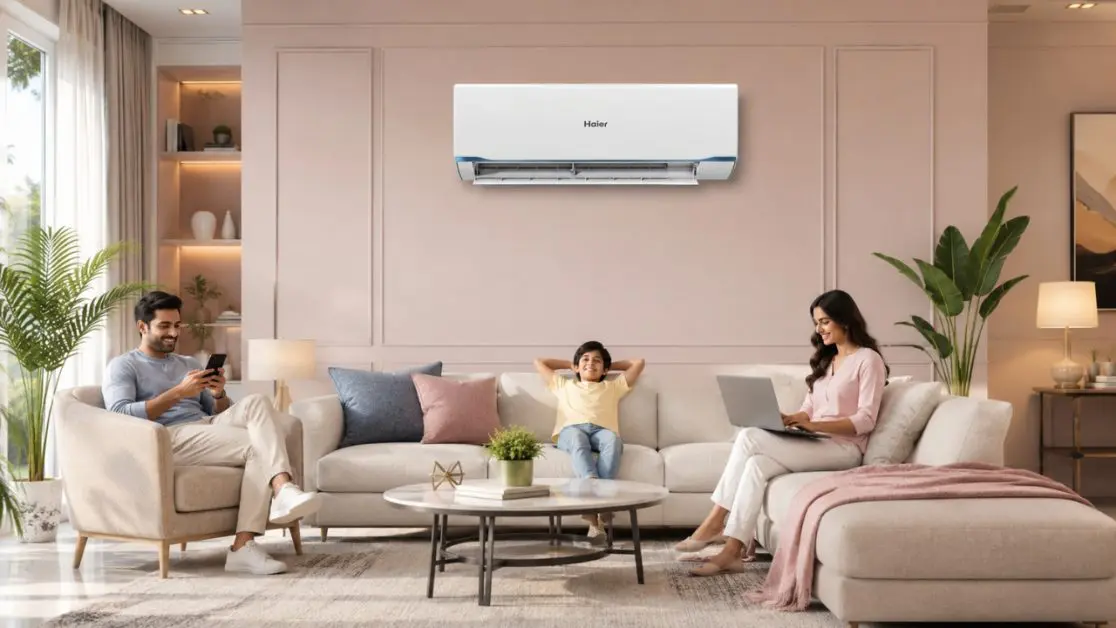
Most people assume an AC cools a room evenly.
It does not.
Rooms behave like living systems. Heat enters differently throughout the day. Curtains change airflow. Electronics generate warmth. Human movement changes humidity levels. Cooking affects adjacent rooms.
But older AC systems follow a simple instruction:
“Reach this temperature and stop.”
That sounds efficient.
It is not.
Because temperature alone does not define comfort.
Comfort Is a Moving Target
A room at 24°C during dry weather feels very different from a room at 24°C during humid monsoon evenings.
The temperature is identical.
The experience is not.
That is where adaptive cooling technology matters.
Instead of operating like an on-off switch, adaptive systems continuously observe changes and fine-tune cooling output in real time.
Not louder.
Smarter.
What Adaptive Cooling Technology Actually Does
Adaptive cooling technology combines sensors, inverter systems, airflow management, and intelligent algorithms to optimize cooling automatically.
Think of it less like a machine.
More like traffic management.
A smart traffic system does not treat every road equally. It adjusts signals based on congestion, timing, and movement patterns.
Adaptive cooling works similarly.
Most Adaptive Cooling Systems Typically Adjust:
- Compressor speed
- Airflow intensity
- Cooling direction
- Humidity balance
- Energy usage
- Temperature consistency
- Night-time cooling patterns
Some advanced systems also detect occupancy and environmental shifts.
That matters more than most people realise.
Because Indian homes are rarely static.
The Old Cooling Model vs Adaptive Cooling
| Traditional Cooling | Adaptive Cooling |
| Fixed operation patterns | Dynamic real-time adjustments |
| Frequent temperature swings | Stable comfort |
| Higher power spikes | Optimised energy use |
| Manual intervention required | Automated response |
| Focused only on temperature | Focused on overall comfort |
Cooling is no longer about brute force.
It is about intelligent balance.
Why Adaptive Cooling Makes More Sense in Indian Homes
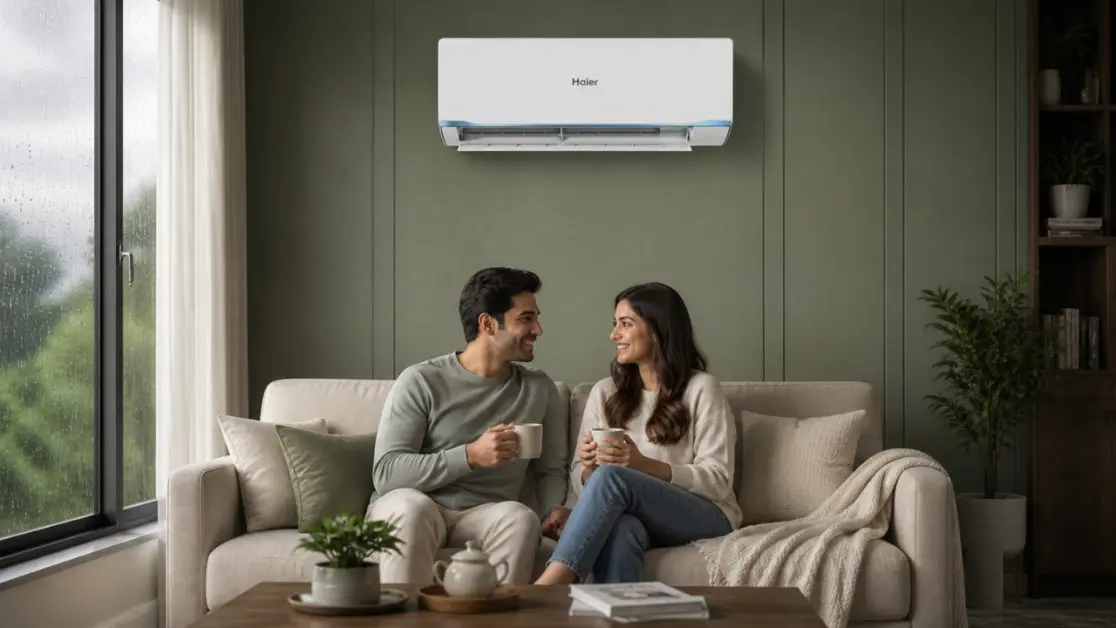
Indian households are unpredictable ecosystems.
And that is exactly why adaptive cooling technology feels relevant here.
Consider a Typical Summer Day
Morning.
The room is relatively cool.
Afternoon.
Direct sunlight hits the walls.
Evening.
The kitchen heat spreads across the house.
Night.
Humidity rises.
One fixed cooling mode cannot handle all those shifts efficiently.
Adaptive systems can.
That is the practical advantage.
Not marketing language.
Just systems responding to real life.
Indian Summers Are Becoming More Extreme
Heatwaves across Indian cities continue increasing in frequency and duration. According to the India Meteorological Department, multiple regions now experience prolonged high-temperature periods above seasonal averages.
Which means AC usage patterns are changing too.
People run air conditioners longer.
Sometimes all night.
Sometimes throughout the workday.
Efficiency stops being optional at that point.
It becomes financial.
Adaptive Cooling Is Quietly Solving the Electricity Bill Problem
Most people think faster cooling increases electricity consumption.
That assumption misses the system underneath.
The real energy waste often comes from inconsistency.
An AC cooling aggressively, shutting off suddenly, then restarting repeatedly consumes more power than a system maintaining stable conditions intelligently.
That stop-start cycle matters.
Adaptive cooling reduces those fluctuations.
Why Inverter-Based Adaptive Systems Matter
Modern inverter ACs adjust compressor speed gradually instead of switching fully on and off.
That creates three major advantages:
- More stable room temperature
- Lower electricity spikes
- Reduced strain on internal components
The result feels subtle.
But subtle systems often create the biggest lifestyle improvements.
A good AC disappears into the background.
That is the goal.
The Hidden Psychology of Comfort
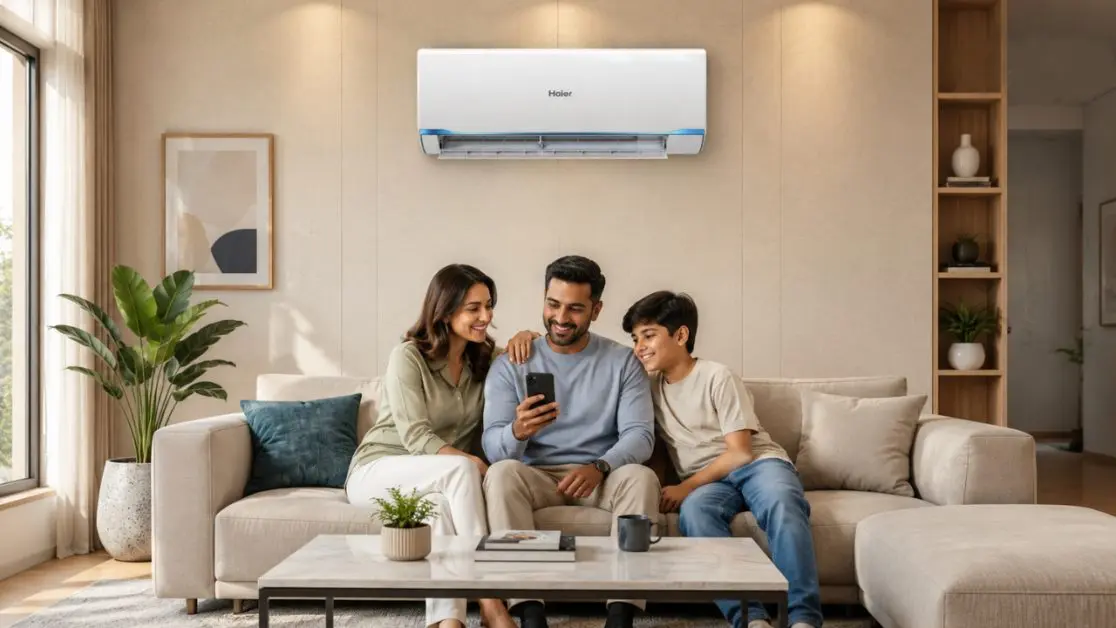
People rarely remember perfect cooling.
They remember discomfort.
The room became too cold at 3 AM.
The humidity after switching the AC off.
The uneven cooling near windows.
The constant remote adjustments.
Comfort is invisible when systems work properly.
That principle applies everywhere.
Hotels understand this.
Luxury cars understand this.
Great appliances understand this too.
Adaptive Cooling Reduces Decision Fatigue
Modern households already manage too many micro-decisions every day.
What to cook.
Which meeting to join.
Whether electricity prices will rise again.
Nobody wants to manage airflow manually every hour.
Adaptive cooling quietly removes friction.
And friction is what usually makes homes feel stressful.
How Smart Sensors Are Changing Air Conditioning
Sensors are becoming the nervous system of modern appliances.
Air conditioners are no exception.
Today’s Adaptive Cooling Systems Can Monitor:
- Indoor temperature fluctuations
- Outdoor weather conditions
- Humidity levels
- Human presence
- Usage patterns
- Compressor load
That allows the AC to make micro-adjustments continuously.
Tiny changes.
Big impact.
One of the reasons smart cooling feels “better” is because humans notice stability more than intensity.
Steady cooling feels premium.
Erratic cooling feels exhausting.
Why Night-Time Cooling Is One of the Biggest Benefits
Most people use ACs longest during sleep.
And sleep changes how the body reacts to temperature.
At midnight, 24°C feels comfortable.
At 4 AM, the same setting can suddenly feel freezing.
Traditional systems struggle with this transition.
Adaptive cooling adjusts gradually overnight.
That matters for:
- Sleep quality
- Energy savings
- Reduced dryness
- Better comfort consistency
A machine that understands timing behaves differently from one that only understands commands.
That is the larger shift happening across appliances today.
What Modern Buyers Are Actually Looking For
Five years ago, buyers compared ACs using one primary question:
“How fast does it cool?”
Now the questions are evolving.
People Also Ask:
- Will this increase my electricity bill?
- Does cooling remain consistent?
- Is the airflow too harsh?
- Will it handle extreme summer heat?
- Does it become noisy at night?
- Can it adapt automatically?
The market is shifting from hardware-first thinking to experience-first thinking.
That is an important transition.
Because appliances no longer compete only on specifications.
They compete on how daily life feels.
How Haier’s Smart Cooling Philosophy Fits Into This Shift
Brands building for modern Indian homes are increasingly focusing on intelligent adaptation rather than raw cooling power alone.
That is where systems like adaptive inverter cooling, AI-driven airflow adjustments, and smart sensing technologies become relevant.
For example, premium air conditioners like the Haier 1.7 Ton 5 Star Desert Rose Air Conditioner and Haier 1.7 Ton 5 Star Gold Desert Rose Air Conditioner reflect how modern cooling is evolving toward comfort-led design, energy optimisation, and intelligent home integration.
Not every household needs the same cooling behaviour.
That is the point.
A family in Jaipur experiences heat differently from a studio apartment in Bengaluru.
Adaptive cooling acknowledges that difference instead of ignoring it.
Three Ways People Usually Choose ACs
Most buying decisions fall into three categories.
One Option Is Price-First Buying
This approach focuses mainly on discounts and upfront costs.
Short-term savings.
Long-term compromise.
Usually leads to inconsistent cooling or higher electricity usage later.
The Second Option Is Specification-First Buying
This buyer compares tonnage, star ratings, and cooling capacity obsessively.
Useful.
But incomplete.
Because specifications alone cannot predict lifestyle comfort.
The Third Option Is Behaviour-First Buying
This approach asks better questions:
- How does the room behave?
- How long will the AC run daily?
- Who uses the room most?
- How important is sleep comfort?
- How sensitive is the household to electricity costs?
Adaptive cooling matters most in this third category.
Because it responds to patterns, not assumptions.
The Bigger Shift Is Already Happening
The most important technologies eventually become invisible.
Wi-Fi.
Automatic transmission cars.
Noise cancellation.
People stop talking about the technology itself and start talking about how life feels easier.
Adaptive cooling is entering that phase.
Soon, people will stop asking whether an AC has smart cooling.
They will simply expect comfort systems to adjust intelligently.
Because homes are becoming responsive environments.
Not static spaces.
And the appliances shaping those homes will increasingly behave less like machines and more like systems that quietly understand human life.
That is the future adaptive cooling technology is building toward.
Not colder homes.
Better living.
Frequently Asked Questions
What is adaptive cooling technology in an air conditioner?
Adaptive cooling technology allows an AC to automatically adjust compressor speed, airflow, humidity control, and cooling intensity based on changing room conditions. Instead of running at one fixed setting, it continuously fine-tunes performance to maintain comfort while reducing unnecessary energy consumption.
Is adaptive cooling the same as inverter technology?
Not exactly. Inverter technology allows the compressor to vary its speed, while adaptive cooling uses sensors, algorithms, and inverter controls together to optimize cooling automatically. Most adaptive cooling systems are built on inverter technology, but they add intelligence on top of it.
Is adaptive cooling worth paying extra for?
For households that use ACs daily or for long hours, adaptive cooling can improve comfort consistency and reduce electricity waste. The value becomes more noticeable during hot summers, humid weather, and overnight usage.
How do I know if my home actually needs adaptive cooling?
If your room temperature changes throughout the day, receives direct sunlight, experiences humidity fluctuations, or requires frequent remote adjustments, adaptive cooling can provide a more comfortable experience.
Should I choose cooling speed or smart cooling features?
Fast cooling is useful, but long-term comfort often depends on how well an AC maintains stable conditions after reaching the target temperature. Adaptive cooling focuses on maintaining comfort rather than simply cooling quickly.