
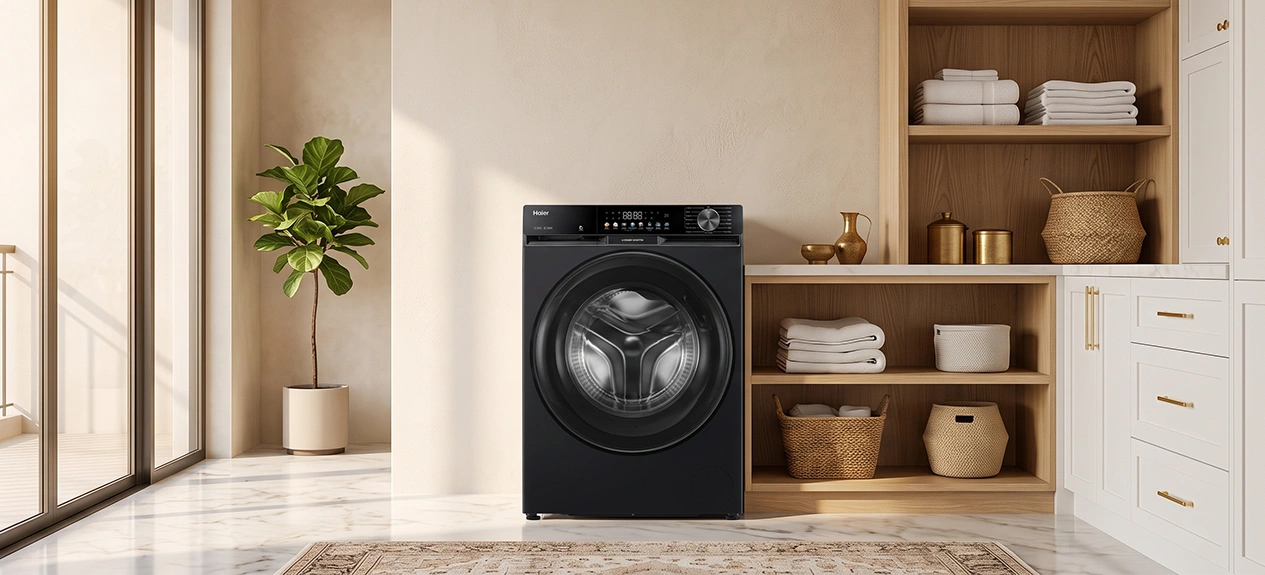

A washing machine is one of the hardest-working appliances in any home. It runs almost every day, holds water and detergent, and takes on more mechanical stress than most other appliances in the house. Yet many buyers choose one within minutes, going largely by appearance or by whatever the shop has in stock. That approach is often why a machine needs repairs within three years. Choosing the first time carefully saves money, saves time, and spares considerable frustration later. This guide sets out what really decides how long a machine lasts, and where the best washing machine in India conversation should begin.
What Really Decides How Long a Washing Machine Lasts
Three things matter more than anything else here: the motor, the drum, and the body. Older machines use a belt-and-pulley system to spin the drum. Belts stretch, slip, and eventually snap, and that’s usually the first big repair bill a family faces. Newer machines use direct motors that connect straight to the drum, so there’s one less part left to fail over a decade of use.
Drum construction matters just as much. A drum built with seamless welding resists cracks far better than a bolted or riveted one. Detergent residue and moisture settle into seams over time, and that’s where rust and wear usually start. A wider, well-balanced drum also cuts vibration, which lowers stress on the motor mount and outer body.
The body itself, especially the door or lid, takes daily impact. Tempered or toughened glass resists scratches and cracking better than standard plastic-glass composites. It’s a small detail buyers often skip past, but it adds up across thousands of wash cycles.
Front Load, Top Load or Semi-Automatic: Which Washing Machine Is Best for You
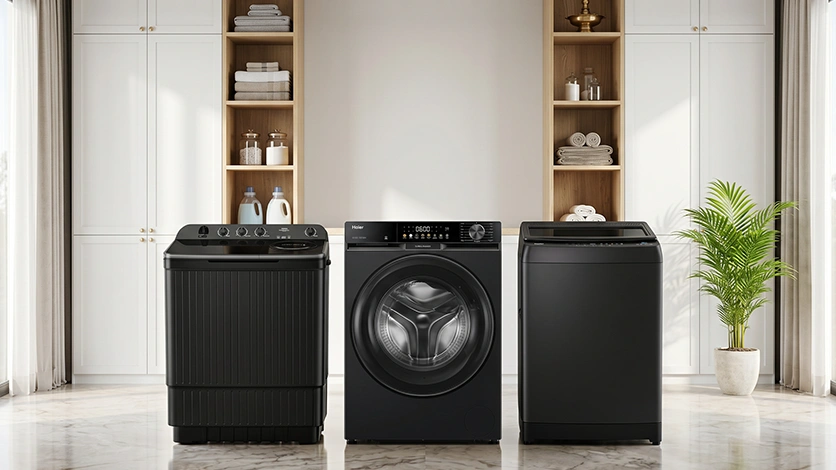
This is probably the most common question people ask before buying, and there isn’t one universal answer here. It depends on water pressure at home, laundry volume, and how much manual effort you’re okay putting in. The table below breaks down how the three types actually compare.
| Factor | Front Load | Top Load | Semi-Automatic |
| Operation | Fully automatic, 2-step | Fully automatic, 2-step | Manual, multi-step process |
| Water usage | Lowest | Moderate | Depends on manual filling |
| Water pressure needs | Higher | Low to moderate | Very low |
| Portability | Fixed installation | Fixed installation | Movable with castors |
| Best suited for | Families wanting minimal effort | Homes with weak water pressure | Budget-conscious, smaller households |
When someone asks which washing machine is best, the answer depends. Pick one that suits your water supply and daily washing habits, because that matters more.
The Hidden Toll Hard Water Takes on Your Machine
Most parts of India deal with hard water at some level, and it’s one of the biggest hidden reasons washing machines lose years off their life. Calcium and magnesium in the water form limescale inside the drum and on the heater coil. Over time, this scale cuts heating efficiency, clogs filters, and makes the motor work harder than it should. Clothes come out feeling stiffer too, since detergent can’t dissolve well in mineral-heavy water.
Features Worth Paying Attention To
A few features consistently show up in machines that last longer and need fewer service calls:
- A direct motor design instead of belt-driven mechanics, which cuts down on one of the most common failure points.
- A large, seamlessly welded drum that resists cracking and handles bigger loads without excess strain.
- Toughened glass on the door or lid, built to resist impact, scratching, and daily wear.
- Anti-scaling or self-cleaning drum technology, especially useful in hard water regions.
- Smart dosing that measures detergent by load weight instead of guesswork, which reduces buildup inside the drum over time.
- Steam or hygiene wash cycles that clean the drum itself between loads, not just the clothes.
How Haier Builds Machines Around This
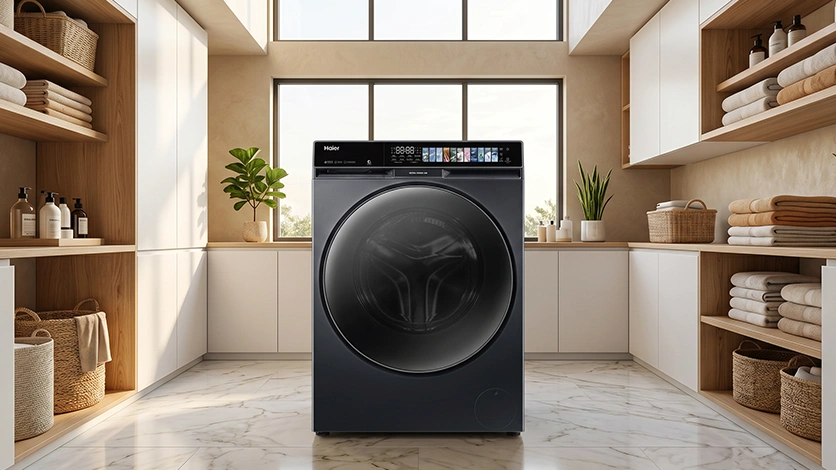
At Haier, longevity isn’t an afterthought we bolt on at the end. We design around it from the motor up, and this thinking is a big part of why buyers keep naming us among the best washing machine brands in India shortlists. Our Direct Motion Motor connects directly to the drum, removing the traditional belt and pulley system entirely. That means less friction, less vibration, and a mechanism built to run smoothly for years rather than months. We back this with warranty coverage that reflects real confidence in the build, not just marketing language.
- Front Load Range
Our front-load machines, including the F9 and F11 series, use a 525mm Super Drum with laser seamless welding, which removes the seams where wear typically begins. Ultra Fresh Air circulates air inside the drum after every wash to stop moisture and odour from settling in, useful when the machine goes unused for a day or two. Essence Wash pre-mixes detergent before spraying it onto fabric for a faster, more thorough clean, and Smart Dosing works out the exact detergent needed per load.
Want to see how the F11 actually holds up against Indian water and load conditions? Read this blog: Haier F11 Performance in Indian Conditions
- Top Load Range
Our top-load machines carry Anti-Scaling Technology, built around 20 nano balls that scrub the tub during every cycle and keep limescale from building up, which matters a great deal in hard water areas. The built-in butterfly-design heater delivers a more even, hygienic hot wash, and the Oceanus Wave Drum moves clothes gently to reduce tangling and fabric wear over time. Toughened glass lids and Softfall Technology, which closes the lid slowly instead of letting it slam, round out the durability story here.
- Semi-Automatic Range
For semi-automatic machines, we’ve focused on the parts that see the most physical stress. Anti-Rat Mesh protects the wiring and motor base, something particularly useful in homes where machines sit in open utility areas. A rust-free cabinet holds up in humid or wet installation spots, and castor wheels let you move the unit for cleaning without straining your back or the machine’s frame.
Simple Habits That Add Years to Any Machine
Buying well is only half the job. A few small habits protect that investment further:
- Wipe the door seal and detergent drawer dry after each wash to stop mould from settling in.
- Run an empty hot cycle with a drum cleaner once a month, more often in hard water areas.
- Don’t overload the drum regularly, since it stresses the motor and bearing over time.
- Leave the door slightly open between washes so moisture can escape properly.
Conclusion
There’s no single machine that qualifies as the universal best washing machine in India, because the right choice depends on your water supply, household size, and daily habits. What holds across the board is that motor design, drum build, and glass quality decide whether a machine sees you through a decade or gives up after three years. Whichever best washing machine brand in India you eventually shortlist, weigh these fundamentals over surface-level features, and the machine will pay you back in years of quiet, reliable service.
Frequently Asked Questions
How do I know if my area has hard water?
Check for white, chalky deposits around taps, showerheads, or your electric kettle. Soap that doesn’t lather easily and clothes that feel stiff after washing are also common signs of hard water at home.
Does hard water damage a washing machine?
Yes, over time. Minerals in hard water form limescale on the heater and inside the drum, reducing efficiency, clogging filters, and forcing the motor to work harder, which shortens the machine’s overall lifespan.
Why do clothes feel rough or look dull after washing in hard water?
Hard water minerals react with detergent, leaving a residue on fabric fibres instead of rinsing away cleanly. This residue makes clothes feel stiffer and slowly dulls their colour and softness over repeated washes.
Do I need a water softener for my washing machine?
Not always, but it helps significantly in areas with very hard water. A softener reduces limescale buildup and detergent residue, and machines with anti-scaling drum technology also handle hard water reasonably well.
Does hard water increase detergent usage?
Yes. Hard water minerals interfere with detergent’s cleaning action, so you often need more detergent to get the same clean, which adds cost and leaves more residue inside the machine over time.
How do I remove limescale from a washing machine drum?
Run an empty hot wash cycle with a cup of white vinegar or a dedicated descaling agent once a month. This dissolves mineral buildup on the drum and heater before it turns into a bigger problem.