

You unpack the grocery bags, wash everything, fill the vegetable drawer, shut the refrigerator door and feel like the week’s food planning is done.
Three days later? Tomatoes have turned soft, coriander is limp, spinach looks tired, and the carrots have somehow become rubbery.
It happens in almost every Indian household.
Surprisingly, your veggies aren’t only going bad because they’re old. In fact, they’re more likely to go bad from being stored improperly. Little habits we learn along the way can diminish freshness, flavour and add to food waste.
Luckily these easy-to-make mistakes are also incredibly easy to fix.
Why Proper Vegetable Storage Matters More Than Ever
Fresh vegetables aren’t just ingredients; they’re part of everyday Indian cooking.
Whether it’s preparing a quick aloo gobi before work, making sambhar for dinner, or chopping salad for lunch, having crisp vegetables ready saves both time and money.
Proper storage helps you:
- Retain natural freshness for longer
- Reduce unnecessary food wastage
- Maintain texture and flavour
- Organise groceries more efficiently
- Avoid frequent trips to the market
Of course, storage habits matter. So does the refrigerator you’re using.
Modern refrigerators are designed with dedicated zones and adjustable cooling that make storing different types of vegetables much easier when compared to older, single-temperature designs. Features such as Convertible storage, dedicated vegetable sections, and adjustable temperature compartments help create suitable conditions for different kinds of produce.
8 Common Vegetable Storage Mistakes You Should Avoid
1. Washing Everything Before Refrigerating
It feels hygienic.
But extra moisture is often the reason leafy vegetables begin spoiling sooner.
Unless you’re planning to cook immediately, it’s usually better to:
- Remove visible dirt
- Keep vegetables dry
- Wash only before use
Excess water trapped inside storage bags or containers encourages quicker deterioration.
2. Mixing Every Vegetable Together
Not all vegetables enjoy the same environment.
Some release natural gases during ripening, while others are highly sensitive to those gases.
Better practice
| Store Together | Store Separately |
| Carrots & beetroot | Tomatoes |
| Cabbage & cauliflower | Onions |
| Spinach & coriander | Potatoes |
| Beans & peas | Garlic |
Separating produce may seem like extra effort initially, but it often results in noticeably longer freshness.
3. Overstuffing the Vegetable Drawer
We’ve all done it.
Market day arrives, and suddenly every drawer is packed to the edge.
The problem?
Cold air cannot circulate efficiently.
Instead of maintaining even cooling, overcrowded spaces develop warm pockets where vegetables deteriorate faster.
Leave a little breathing room between products whenever possible.
4. Ignoring Temperature Zones
Many families assume every shelf inside the refrigerator offers identical cooling.
Not really.
Different sections are designed to perform differently.
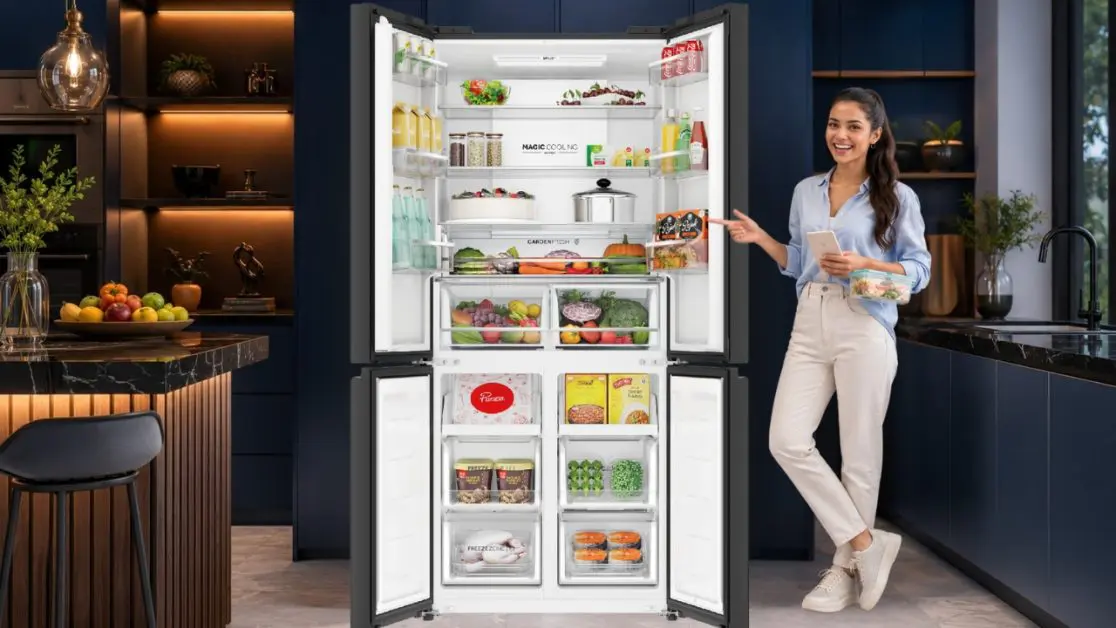
That’s where dedicated storage areas become useful.
For example, the Haier Lumiere Series offers a My Zone compartment with adjustable temperature settings through the external digital display, allowing users to customize storage according to different food requirements.
This flexibility can help accommodate different storage needs instead of relying on a one-temperature-fits-all approach.
5. Forgetting What’s Hidden at the Back
Ever discovered cucumbers you completely forgot buying?
It happens.
Vegetables pushed behind containers often remain unnoticed until they’re no longer usable.
A simple routine helps:
- Place older vegetables in front
- Keep recently purchased produce towards the back
- Review your vegetable drawer every few days
Small habit.
Big difference.
Quick Freshness Checklist
Before closing your refrigerator door, ask yourself:
- Are vegetables dry?
- Is the drawer overcrowded?
- Have leafy greens been separated?
- Can you easily see everything inside?
- Are delicate vegetables stored in an appropriate section?
If the answer is “No” to more than one question, a few small adjustments could improve freshness.
Organisation Is Just As Important As Cooling
A refrigerator with more storage doesn’t automatically mean better organisation.
The layout matters.
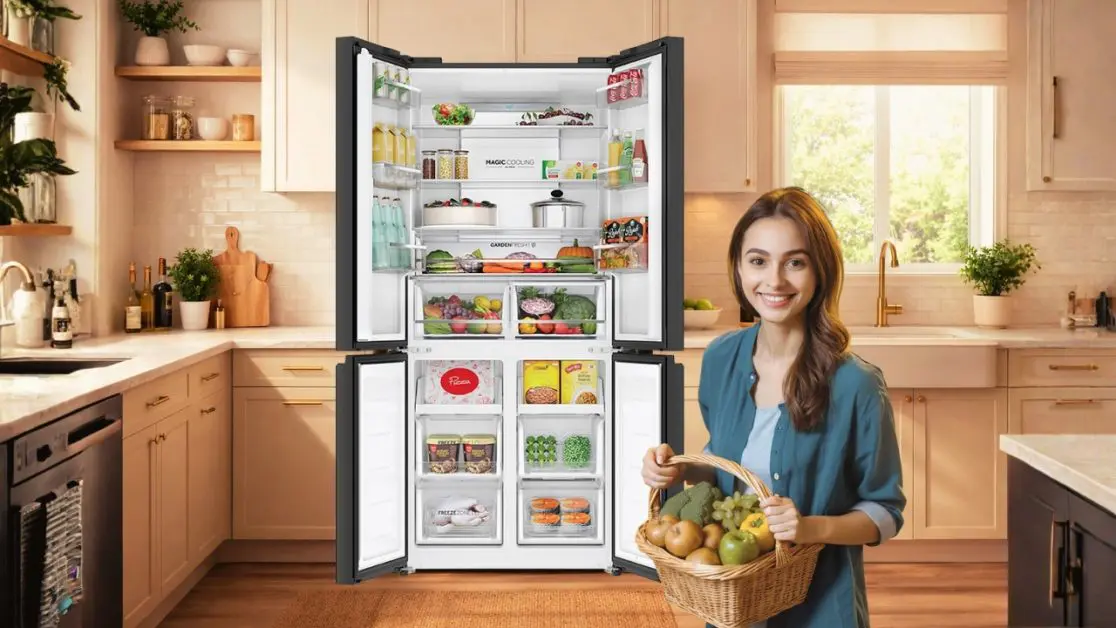
Newer four-door refrigerators are starting to focus on storage zones instead of just adding shelves.
Take Haier’s Lumiere Series refrigerators, which offer a variety of storage zones to help better organise your food. With different zones you can easily dedicate space to vegetables, fruits, drinks and daily necessities rather than piling it all together. When you have a spot for everything, veggies are easier to reach and far less likely to be forgotten.
6. Keeping Leafy Greens Loose
Leafy vegetables lose moisture quickly.
Instead of leaving them exposed:
- Wrap them loosely in paper towels.
- Store them in breathable containers.
- Avoid tightly sealed plastic bags with trapped moisture.
This simple habit often helps greens retain their texture for longer.
7. Using One Storage Setting for Every Season
Indian weather changes dramatically.
Summer vegetables face different storage challenges than winter produce.
During hotter months:
- Refrigerators work harder.
- Doors are opened more frequently.
- Internal temperatures fluctuate.
Smart cooling systems can help adapt to changing usage patterns.
The Haier Lumiere Series includes Smart Sense AI, which adjusts temperature based on usage patterns to help optimize cooling efficiency.
Rather than requiring constant manual adjustments, the refrigerator intelligently manages temperature according to daily usage.
8. Neglecting Refrigerator Hygiene
Fresh vegetables stored inside an unclean refrigerator won’t stay fresh for long.
Regularly:
- Remove expired food.
- Wipe vegetable drawers.
- Clean spills immediately.
- Avoid storing spoiled produce with fresh vegetables.
Some Haier Lumiere models also include Deo Fresh Technology or ABT Pro Technology, depending on the model, to help manage odours and maintain freshness inside the refrigerator.
Everyday Storage Habits That Actually Work
Instead of remembering dozens of rules, keep these simple practices in mind.
Do
- Store vegetables soon after returning from the market.
- Use designated compartments.
- Keep produce visible.
- Separate delicate greens.
- Rotate older vegetables first.
Avoid
- Packing vegetables tightly.
- Leaving moisture inside containers.
- Mixing fruits and vegetables indiscriminately.
- Ignoring spoiled items.
- Blocking airflow inside drawers.
Consistency matters more than perfection.
When Your Refrigerator Makes the Job Easier
Storage habits certainly help.
But the appliance itself also plays a major role.
The Haier Lumiere Series French Door Refrigerators are designed with features that support organised food storage, including:
| Feature | Everyday Benefit |
| Convertible 85% Fridge Space | Flexible storage based on changing grocery needs |
| My Zone | Adjustable compartment for different food categories |
| Smart Sense AI | Optimises temperature according to usage patterns |
| Smart Connectivity | Monitor and control supported functions through the Haismart App |
| Smart Food Management | Track stored food, create shopping lists, and share them with family |
| Organised multi-zone storage | Better visibility and easier organisation |
| Toughened Glass Shelves | Supports heavy Indian cookware and utensils |
| Dedicated vegetable compartment | Separate storage for fresh produce |
These features are consistent across a range of Haier Lumiere Series Refrigerators such as Haier Lumiere 520L 3 Star Mirror Glass French Door Refrigerator(HRB-600MGU1), Haier Lumiere 520L 3 Star Black Glass French Door Refrigerator (HRB-600KGU1) and Haier Lumiere 630L French Door Refrigerator, Smart Sense AI, Convertible, Black Glass Finish, 3 Star. (HRB-700KGU1).
Conclusion
Storing vegetables properly doesn’t require you to memorise a complex set of rules.
It just requires you to make a few better decisions each day. Store them dry. Avoid overcrowding. Organise smartly. Keep produce in their respective crisper drawers when you can. Check on your fruits & vegetables instead of allowing them to get lost in the back of your fridge.
Once you build these healthy habits, store your fruits & vegetables in a refrigerator designed with your habits in mind like Haier Lumiere Series. From versatile convertible storage options and smart temperature management to designated compartments and smart food management features, it does the work to keep your fresh groceries simplified for you. Helping you in every step of how Indian families like you buy groceries, cook meals and store food all week long.
features, it helps support the way modern Indian families shop, cook, and store food throughout the week.
Frequently Asked Questions
Why do my vegetables spoil so quickly even when I refrigerate them?
Vegetables often spoil because of improper storage rather than age. Common mistakes include washing produce before storing, overcrowding the vegetable drawer, trapping excess moisture, and storing vegetables with produce that releases ripening gases. Correct storage habits can significantly extend freshness.
Should I wash vegetables before putting them in the refrigerator?
It’s usually better to wash vegetables only before cooking or eating them. Excess moisture encourages mould and faster spoilage, especially for leafy greens. Simply remove visible dirt and store vegetables dry.
Which vegetables should always be refrigerated?
Most leafy greens, carrots, beans, peas, cauliflower, cabbage, broccoli, beetroot, and capsicum stay fresh longer in the refrigerator. However, onions, potatoes, garlic, and whole tomatoes are generally better stored outside the fridge in a cool, dry place.
Why do leafy vegetables become limp so quickly?
Leafy greens lose moisture rapidly. Wrapping them loosely in paper towels and storing them in breathable containers helps absorb excess moisture while preventing dehydration.
Is it okay to store all vegetables together?
No. Some vegetables release natural gases that speed up ripening and spoilage in nearby produce. Keeping compatible vegetables together and separating sensitive ones helps maintain freshness.