
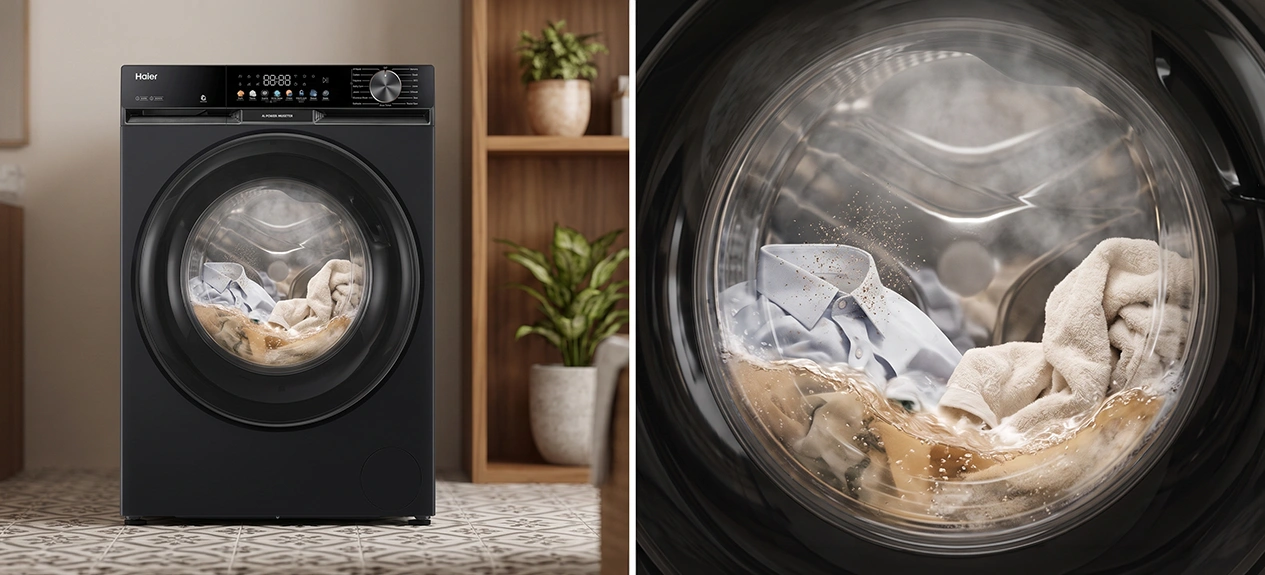

Water temperature affects your laundry more than most people expect. Many of us just load the machine, choose a cycle, and think the detergent will handle everything by itself. But warmer water changes how detergent works, while helping remove sweat, oil, and tougher stains that cold water sometimes leaves behind.
Once you start paying attention to washing machine cleaning performance, temperature turns out to matter more than the detergent brand. The gap between an average wash and a properly clean one usually comes down to this one setting people skip past without thinking.
Why Water Temperature Changes the Way Your Machine Cleans
Detergent molecules need a certain amount of energy before they dissolve properly and bind with dirt. Cold water slows that reaction down, more so in winters when tap water dips below 15°C and detergent refuses to mix in fully. Hot water speeds molecular movement up, letting detergent penetrate fabric fibres faster and lift grease, body oil, and food stains that cold water leaves behind more often than people realise.
Warmer water also helps fabric fibres relax and open a bit. Soap and water can then reach deeper into the weave instead of sitting on top, which is where most dirt hides anyway.
Warm Wash vs Cold Wash: What Really Changes
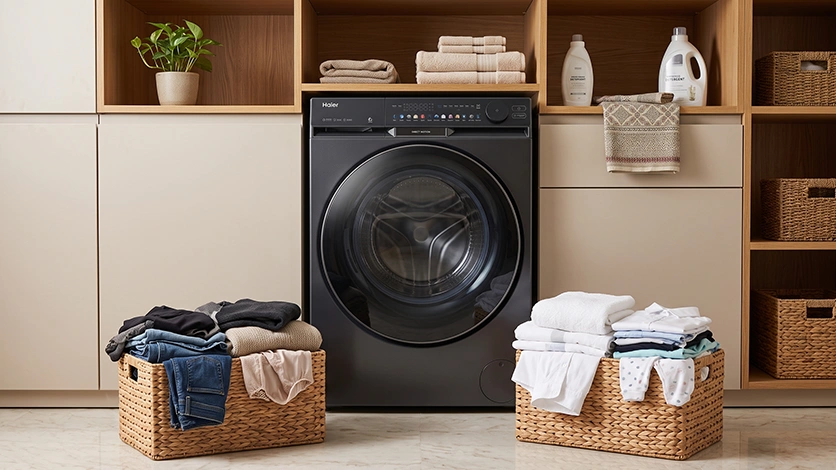
The choice between warm and cold wash depends mostly on your fabric and the kind of stains you are dealing with.
Cold water suits delicate clothes, coloured fabrics, and everyday loads where fading or shrinking can become a problem over time. Warm water handles towels, bedsheets, innerwear, and dirtier clothes much better because it helps clean deeper while keeping hygiene levels higher.
Looking at your laundry this way makes the choice much easier:
- Cold wash, below 20°C, suits dark colours, wool blends, and lightly worn clothes best.
- Warm wash, between 30 and 40°C, works as a balanced option for everyday loads.
- Hot wash, 50°C and above, is meant for bedsheets, towels, baby clothes, and anything needing real germ removal.
- Mixed loads with oily stains respond better to a warmer cycle almost every time, even with extra minutes added.
Haier washing machines across the Front Load and Top Load ranges build this choice right into the panel, so switching between a cold rinse and a proper hot cycle takes one tap instead of guesswork.
The warm wash vs cold wash choice is not about using the hottest setting every time. It comes down to matching the water temperature with the fabric type and the kind of dirt your clothes carry, because that usually gives better cleaning without putting extra stress on the fabric.
Hot Water Helps You Deep Clean Washing Machine Drums Too
Hot water does not just clean clothes, it cleans the machine while it is at it. Detergent residue, fabric softener buildup, and lint stick to drum walls over time, more so with frequent cold washes. Here is what happens inside the drum when a hot cycle runs, step by step:
- Heat softens the buildup first. Cold washes leave a thin layer of detergent and softener stuck to the drum and rubber gasket, and hot water warms this layer up, loosening its grip on the steel.
- The loosened residue starts dissolving into the water instead of clinging to the drum walls, the same way grease lifts off a pan faster under hot water than cold.
- Agitation during the wash, whether from a drum tumble or a pulsator, breaks that softened residue into smaller bits and keeps it suspended rather than letting it settle back down.
- The rinse cycle flushes this suspended grime out through the drain, carrying lint, soap scum, and bacteria along with it.
- A hot cycle also raises the internal temperature enough to discourage mould and mildew from settling into the gasket folds, usually where the musty smell starts from.
This is one reason appliance experts suggest a monthly hot cycle, run empty, as a simple way to deep clean washing machine interiors without reaching for harsh chemical cleaners. Some Haier machines take this a step further with a dedicated Self Clean program built right into the panel.
The Haier 12 Kg F9 Front Load Washing Machine (HW120-DM14F9BKU1) runs this cycle at 90°C, flushing out detergent residue and sterilising the drum without needing detergent or any manual scrubbing. Small habit, sure, but it keeps the drum, gasket, and detergent drawer noticeably fresher across months of use.
Want to know what keeps a washing machine smelling fresh long after the cycle ends?
Read this blog: How Washing Machines Can Prevent Odour Build Up
How We Build Haier Machines Around This
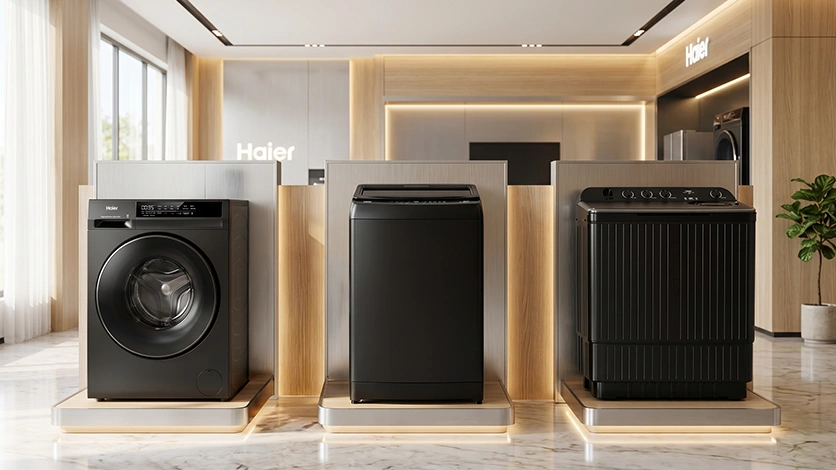
At Haier, we keep water temperature control right at the centre of the wash experience, not an afterthought bolted on later. Across our Front Load, Top Load, and Semi-Automatic ranges, we build in features that let you pick the heat level suited to the load in front of you.
Our Front Load Washing Machines come with an In-Built Heater for hot and cold wash, paired with PuriSteam technology that uses heated steam to lift allergens and grime out of fabric. Anti-Bacterial Treatment inside the drum means heated cycles work alongside hygiene features rather than against them. The Direct Motion Motor stays quiet through longer hot cycles, while AI One Touch sensors adjust water level and heat automatically based on fabric type and soil level. Dual Spray, combined with the 525 mm Super Drum, helps hot water circulate evenly across the load.
In our Top Load Washing Machines, we use a butterfly-shaped built-in heater built for powerful cleaning and germ elimination. This pairs with the Oceanus Wave Drum, which pushes heated water through fabric instead of just around it. Anti-Scaling Technology protects the heating element from hard water deposits, which matters quite a lot in regions where tap water carries high mineral content.
Our Semi-Automatic Washing Machines work a little differently. They rely on Thunder and Vortex Pulsator systems that create strong multi-directional water flow for deep agitation. Since these models don’t carry a built-in heater, households often pour in hot water by hand for heavier loads like towels or kitchen cloths. The Magic Filter still does its job, keeping lint and debris out of the wash.
Few Ways to Maximise Washing Efficiency at Home
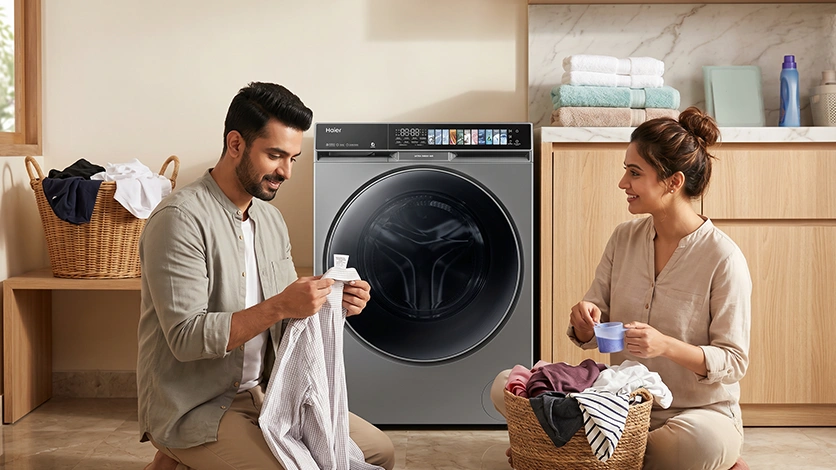
Getting the most out of any hot wash setting isn’t only about pressing a button and walking off. A few small habits help more than expected:
- Sort heavily soiled items separately so hot cycles aren’t wasted on lightly worn clothes.
- Use the right amount of detergent, since hot water can leave residue behind if you overdose it.
- Run a hot maintenance cycle once a month, even with an empty drum, to keep things fresh inside.
- Check fabric care labels before choosing hot wash, because some fabrics simply cannot handle that much heat.
These small steps go a long way toward maximising washing efficiency and barely add extra effort to a routine that’s already busy enough.
Conclusion
The right wash temperature is not just about cleaning clothes, it also helps protect fabrics, improve washing performance, and keep your favourite garments in better shape for longer. Many people leave the same setting every time, even when the load clearly needs something different. Small changes here can make a noticeable difference after repeated washes. At Haier, we build temperature control into the washing experience because good results depend on more than just detergent. Choosing the right setting for every load is a simple habit, but your clothes will show the difference over time, even if you don’t notice it immediately.
Frequently Asked Questions
Does hot water clean clothes better in a washing machine?
Yes, hot water cleans better for heavily soiled or oily fabrics in most cases. It helps detergent dissolve faster and penetrate fibres deeper, lifting grease and stains that cold water often struggles with.
What is the benefit of a hot water wash setting?
A hot water setting boosts germ removal, dissolves detergent more effectively, and breaks down oily stains faster than usual. It works especially well for towels, bedsheets, and innerwear where hygiene matters most.
When should I use hot water vs cold water to wash clothes?
Use hot water for heavily soiled items and bedsheets needing a hygiene-focused wash. Pick cold water for delicate fabrics, dark colours, or lightly worn clothes to avoid shrinking, fading, or fabric damage.
Does hot water wash remove stains and germs better?
Yes, hot water breaks down oil-based stains and reduces common bacteria and allergens more effectively than cold water. This makes it a fairly safe choice for heavily soiled or hygiene-sensitive loads.
Can I use hot water in a fully automatic washing machine?
Yes, most fully automatic machines, including Haier Front Load and Top Load models, come with an in-built heater fitted already. This lets you pick hot wash cycles directly from the control panel.