
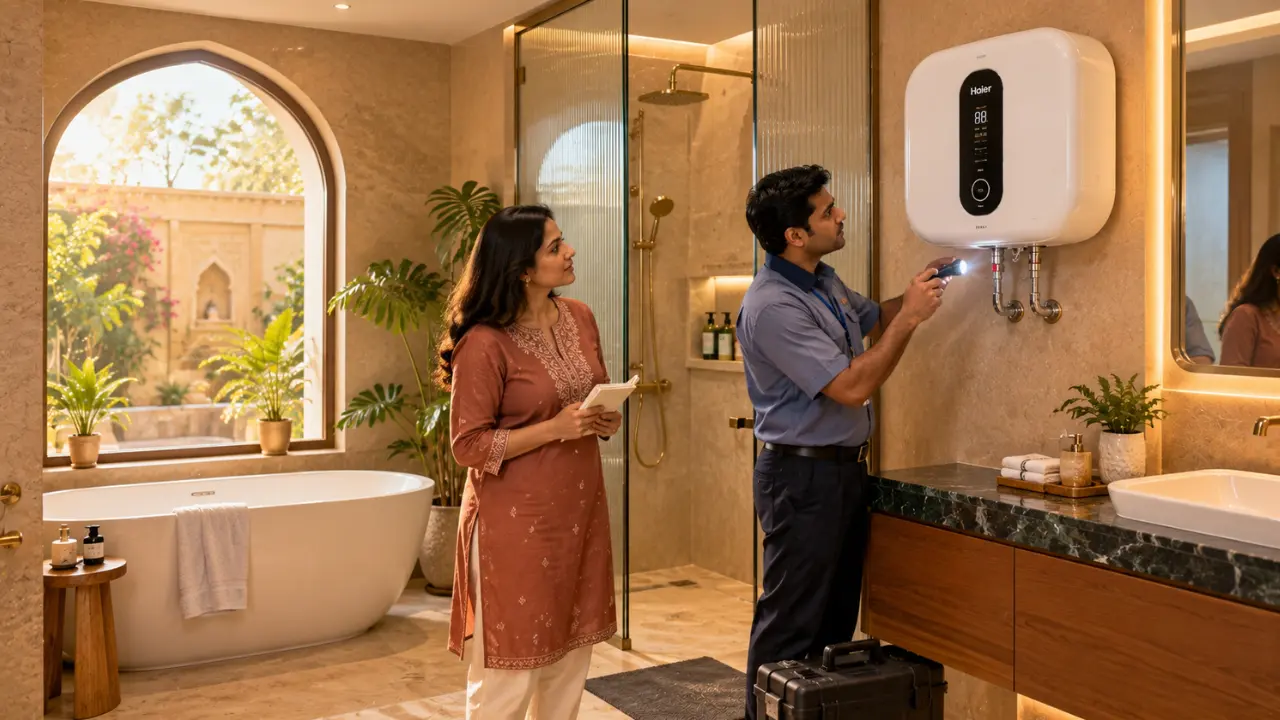

Your geyser was great the previous winter. Hot water was provided in a matter of minutes; the water was “just the right” temperature; and its performance was not unusual. Then winter came again, and the same geyser began to take longer to heat water.
Sound familiar?
Most Indian households only bother about their water heaters when there is a problem. A leaking pipe, the heating is uneven or there is an unexpected spike in the electricity bill is often the first sign. The lesser warning signs? They are usually not seen.
Yes, geysers require routine maintenance even if they are operating normally. They can be influenced over time by mineral deposits, by corrosion inside and by ageing.
How often to service a geyser though? Is the maintenance the same for all water heaters? But how can you ensure it remains in proper working order for many years?
Here are some items homeowners should be mindful of.
How many times should the Geyser be serviced?
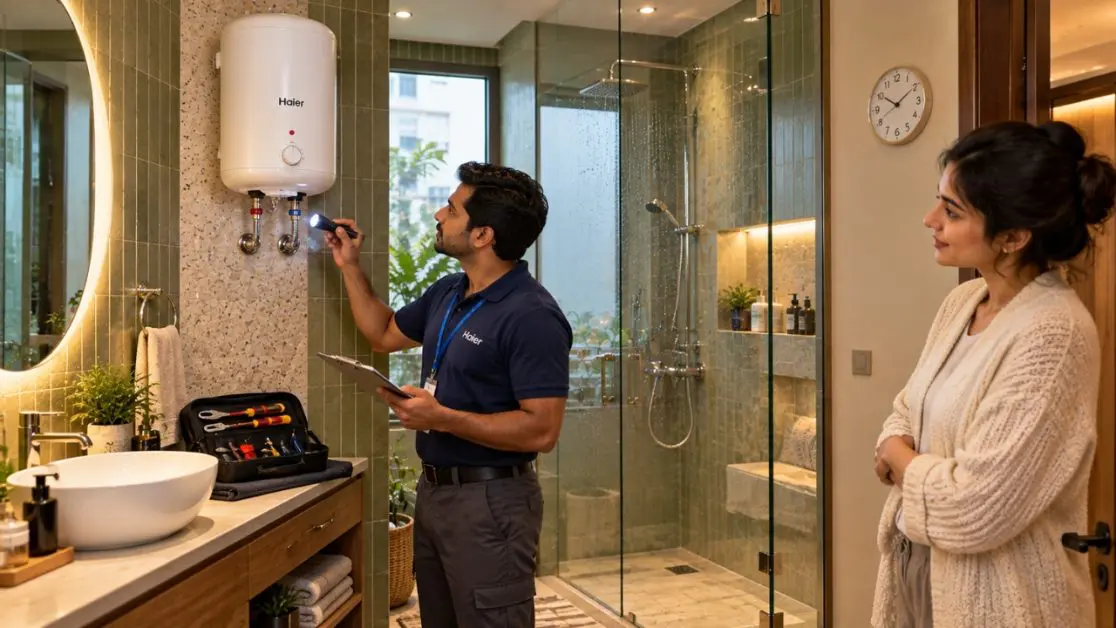
A professional check of the home storage geyser is a good first step for most domestic models, unless the manufacturer advises otherwise, or there are significant safety concerns.
In certain homes, additional care might be necessary, especially if the water is rich in dissolved minerals.
Here are some general maintenance cycle considerations:
- Every 12 months: Normal household use geysers, routine inspection.
- Every 6 months: If your home has particularly hard water or if the geyser is used intensively every day, consider an inspection.
- Before winter: Inspect how heating works, connections and if there are any unusual noises.
- Immediately: If you see leakage, burning odors, electrical problems, or if the circuit breaker keeps tripping, call a professional.
These are general recommendations, not a set schedule for servicing all Haier models. Always follow the instructions provided with your particular water heater.
Even If a Geyser Works properly, does it still require servicing?
Yes. A geyser can continue to heat water, and it will have a slow buildup of deposits inside.
Consider the case of an electric kettle that is being used with hard water. You may see a white chalky layer around its heating surface after a few months.
This can also occur in a water heater.
The difference is that a sealed geyser tank is not readily visible to see what might be occurring inside.
A periodic inspection can be used to detect any issues that could be worse if left untreated.
What is the need for regular Geyser servicing?
A water heater’s two functions every day are electricity and water. They both need careful handling and management, particularly if an appliance is used in a bathroom.
1. Mineral Deposits may impact on heating.
Hard water is a common issue for many homes in India, especially those relying on borewells or groundwater.
Calcium and magnesium compounds can deposit on the inside surfaces when water that is rich in minerals is heated.
These deposits can, over time, make it possible to:
- Minimize heat losses from the heating element.
- Increase the time required to heat water.
- Add to odd noises of heating.
- Apply extra pressure to the parts.
For excessive mineral buildup, a professional cleaning (recommended for the model) may help.
2. Internal Corrosion Can Develop Gradually
Water is stored in a metal tank in a storage geyser. Long exposure to water and minerals can cause corrosion if protection is not provided.
Some storage hot water heaters are fitted with protective tank linings and magnesium anode rods to help control corrosion issues.
The anode slowly dissolves, while preventing attack on the more sensitive metal surfaces. It should be checked based on the maintenance guidelines provided by the manufacturer.
The protective lining of a water heater won’t protect it from corrosion, but it will lower the risk.
3. The rating is based on the safety components that require attention
The thermostat, thermal cut-out and pressure relief assembly are key components in controlling the heating, and help regulate the operating conditions of a geyser.
Failure of these components can have repercussions other than poor heating.
A competent technician can determine if they need servicing or replacement.
Do not bypass a thermostat, safety valve or electrical protection device to continue to run a faulty geyser.
So what happens during the geyser servicing process?
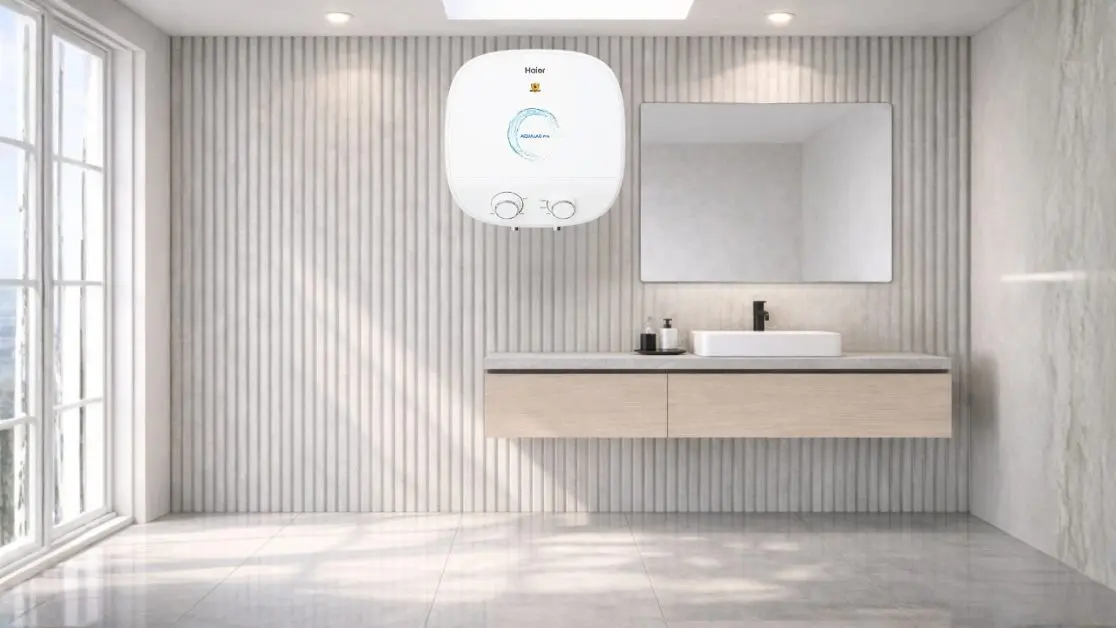
A good service is more than just cleaning the casing and testing if the indicator light functions.
This will vary depending on the geyser’s design, its age, the water quality, and manufacturer’s instructions.
A trained technician can check the following.
Heating Element and Thermostat
The tech tests to see if the heating element is working properly and if the temperature-control system is working as it should.
If there is too much scale or a thermostat isn’t working properly, it may need to be addressed.
A tank and internal components
If the design of the appliance allows, the technician could check the condition of the protective anode, mineral deposits and tank condition.
The flushing or descaling of the tank should only be done when it is suitable for that model.
Pressure-Relief Valve
The pressure-relief arrangement protects the water heater from undue pressure.
Its condition, correct installation and operation are important. All inspections and tests must be performed in accordance with the manufacturer’s procedure.
Electrical Connections and Earthing
Electrical safety is important and especially fine because geysers are located near water.
If required, the wiring and earthing and protective equipment should be assessed by a competent person.
It is not recommended for the homeowner to open up electrical panels or to try fixing them from the inside.
What are the indicators to be alerted to indicate that the geyser requires service?
Other problems take time to develop. Others call for action now.
Keep an eye out for these changes:
- Slower water heating: Mineral deposits, heating-element issues or water supply may be causing this.
- Hot water runs out unexpectedly fast: This may be caused by a thermostat, heating element or by increased demand.
- Rumbling or popping noises: This could be a sign of mineral deposits or other issues within the vehicle.
- Water loss from the geyser: Bad connections, valve or tank may need to be checked.
- Hot water with a rusty colour: This may be due to corrosion or sediment in the heater or plumbing.
- Electrical tripping (repeated): This can be a sign of electrical fault and require immediate professional attention.
When sparks, smoke or a burning odor is seen or a suspected electric leak is detected, discontinue the use of the geyser and schedule qualified assistance. Only disconnect electricity when it is safe to do so.
Does regular servicing save electricity for geysers?

Can help, especially if heating performance is impacted by mineral deposits or defective parts.
If your geyser previously used around 15 minutes to heat up enough water, then how much time will it take now to heat up the same amount of water? After several months, it will take a lot longer under similar circumstances.
That doesn’t necessarily mean the geyser is using too much power. Water temperatures of incoming water and how it is used and the thermostat setting also play a role.
However, scale can cause the heating to be less efficient.
These problems can be detected with regular maintenance and can often be avoided from wasting energy.
This also applies to those households who are buying a new storage water heater, as the BEE star rating and insulation are also important.
How Do Haier Water Heaters Contribute to Dependable Daily Use?
Although it is still a significant factor with servicing, the build of the water heater also plays a role in how long it will last and how it will function on a daily basis.
Haier India provides water heaters which have protective features to cater to various concerns like electrical safety, temperature control, corrosion and water pressure.
These range from Shock Proof technology, Dual Thermal Proof protection, corrosion resistant heating elements and special tank protection, depending on the model.
There are three water heaters to consider:
Haier 6L ABS Cylindrical Water Heater: Compact and Practical
For households that are relatively small, and hot water demands are relatively low, the Haier ES6V-Q1(H) 6L Cylindrical Water Heater is a compact water heater that can be used.
Its features include:
- Shock Proof technology: Designed to provide protection against electrical leakage.
- Dual Thermal Proof (TTS): offers a double-overheat protection.
- Incoloy 800 heating element: Durable and corrosion resistant.
- Glass-lined tank: Reduces corrosion inside the tank.
- 8 Bar rated working pressure: Designed for installations with the water pressure range in between the rated pressure and the maximum.
A MUV valve for pressure protection and water treatment is also incorporated in the model.
Its small size might be a factor if you’re a homeowner who has limited space for installation.
Haier 15L Square Ivory Water Heater: Everyday Family Convenience
This 15 litre storage geyser will be good for most homes that require hot water for their regular bathing, depending on the use and bathing habits.
Haier ES15V-SDI 15L Square Ivory Water Heater offers a 5-star energy efficiency rating and various convenient features.
These include:
- Smart Timer: provides easy heating schedule control.
- Smart Memory: Provides additional operating convenience.
- Bacteria Proof System (BPS): An 80°C heating mode that is designed to inhibit bacteria.
- Heating element: Incoloy 800 for durability.
- PUF insulation: Maintains heat and minimizes the re-heating frequency.
- 8 bar pressure rating: Designed to handle water pressure in an environment that’s compatible with the water supply pressure.
It also has corrosion-management features by way of its glass lined tank and its magnesium rod.
This model has convenient temperature-control and usability features that are helpful for families that are not considering just water heating.
Haier 25L Wi-Fi Water Heater: More Capacity and Smart Features
If there is a greater hot water demand in the household, the Haier ES25V-SD Wi-Fi 25L Storage Water Heater has higher capacity.
This model features:
- Wi-Fi technology: Enable smart operation.
- Digital temp. display: Displays the temp. being heated.
- Titanium-coated tank: that is corrosion resistant and durable.
- Titanium Guard heating element: Provides corrosion resistant construction.
- Bacteria Proof System: With a high temperature antibacterial heating mode.
- 8 bar rated pressure: Safe for use in compatible high-pressure applications.
It also has Shock Proof technology and protective temperature-control.
If long-lasting durability is a priority for the buyer, then the combination of the tank and heating elements made from titanium is of special interest.
However, even the best-built water heater needs maintenance in accordance with the conditions and conditions of its installation.
What are some steps to take between professional servicing to keep your geyser working well?
As long as you don’t have to be a technician to care for your water heater.
Some good common sense will help.
- Observe heating performance. Look for changes in heating time and temperature of the water.
- Look for any obvious leaking. Inspect available pipe connections without taking anything apart.
- Maintain cleanliness on the exterior. When turned off, use a soft, dry cloth to clean.
- Try not to use unnecessarily high temperatures. Set the correct temperature for normal uses.
- Please use the user manual. Always follow manufacturer’s guidelines.
- Arrange professional inspection. Avoid de-scaling, draining and dismantling of the geyser without proper training.
Just one more – never ignore a minor electrical fault just because the geyser is still providing hot water.
When is it time to repair, or replace, an old geyser?
Not all problems can be addressed by servicing.
If there is an older geyser that is having repeated heating failures, has extensive corrosion or a leaking internal tank, it may need to be replaced.
Before deciding, consider:
- The age and condition of the appliance.
- The number and expense of repairs in the past.
- Availability of replacement parts.
- The condition of the tank and safety components.
- If its capacity is still sufficient for your family’s needs.
A professional technician will be able to determine if a repair is feasible and safe.
If replacement is more appropriate, then look for the water heater range of Haier India that offers compact 6L water heaters, 15L storage water heaters and 25L smart water heaters.
Making the right capacity and protection choices now can make hot-water use more convenient every day.
Staying warm with Haier India
One such device that you take for granted is a geyser. Then there’s hot water, which is even more precious on the cold winter mornings.
By keeping up with routine maintenance, you can help preserve that convenience by catching wear, mineral buildup and possible issues before they get bigger.
If you’re thinking of upgrading, Haier India has water heaters that have practical safety, heating and durability features ranging from the compact ES6V-Q1(H) to the ES15V-SDI with a range of features and the Haier Connect app, and the ES25V-SD with Wi-Fi connectivity.
Here are a few tips to choose hot water heater models from the Haier India range that best fit your family’s needs and ensure the continued efficiency of your water heater by following the maintenance guidelines.
Frequently Asked Questions
1. Should geyser servicing be performed once a year?
For many storage geysers a once a year professional inspection is a good general rule. Actual frequency will vary in accordance with the manufacturer’s instructions, water quality, and appliance condition and use.
2. In hard water areas, how many times must a geyser be serviced?
If households have particularly hard water, they may want to have an inspection every six months. Once a mineral deposit analysis and inspection of the appliance is done, a technician can recommend an appropriate schedule.
3. Am I able to clean my geyser myself?
The exterior can be washed per manufacturer’s directions. Internal descaling, electrical inspection and tank draining and component replacement must be performed by trained professionals.
4. Is the geyser in need of a new service?
Yes. New water heaters also need to be maintained as specified in their user’s manual. New safety devices should not replace the need for periodic inspection.
5. Is there a way to increase heating speed with servicing of geysers?
It may be useful if there’s slow heating due to scale buildup or a component failing in the service line. Improvement will be based on the specific cause.
6. How to get service for a Haier water heater?
For after sales service assistance you can contact Haier India’s customer-care team or visit Haier India’s official website. Be sure to have your model number and purchase information handy.