
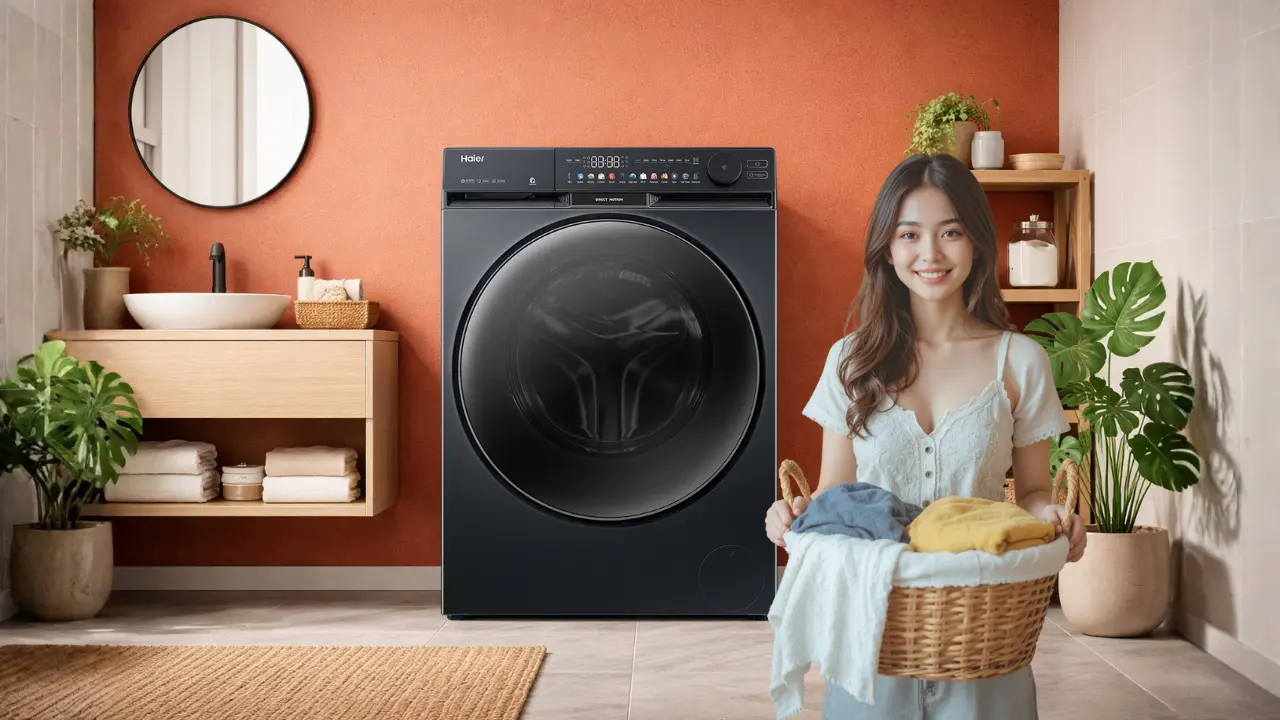

Hygiene-focused washing means cleaner clothes, safer skin, and calmer mornings.
Hygiene-focused washing for everyday wear is about removing invisible dirt, sweat residue, allergens, and odour-causing bacteria without damaging fabrics or wasting energy.
It combines the right wash temperature, water movement, rinse quality, and fabric care so daily clothes feel genuinely fresh, not just visually clean.
That matters more than ever in modern Indian homes.
Because today, clothes work harder than they used to.
The problem most households underestimate
Everyday wear looks clean long before it actually is.
A cotton T-shirt worn for eight hours.
Office trousers that survive a full commute.
Kids’ uniforms that pass the eye test by evening.
They do not smell. They do not stain. They feel fine.
And yet, they carry sweat salts, skin oils, airborne dust, and bacteria that settle deep into fibres.
This is the quiet hygiene gap.
Textile hygiene research shows bacteria thrive most in fabrics that are worn lightly and washed quickly. Not heavily soiled clothes. Everyday clothes.
Clean-looking is not the same as clean.
Why everyday wear needs a different washing mindset
Indian households traditionally divide laundry into two piles.
Heavily soiled.
Lightly worn.
The second pile gets rushed.
Short cycles.
Lower temperatures.
Minimal rinsing.
It saves time. It feels efficient.
But hygiene does not respond to intention. It responds to systems.
Sweat residue needs proper dilution.
Detergent needs time to activate.
Bacteria need sustained movement and temperature to break down.
Without this, residue stays behind even if stains disappear.
The result appears slowly.
Clothes lose freshness faster.
Odours return within hours.
Skin irritation increases.
Fabric life shortens.
This is not a washing machine problem.
It is a process problem.
The hidden hygiene system inside a wash cycle
A hygienic wash is not one feature. It is a sequence.
Think of it like cooking dal.
One shortcut changes the outcome.
Hygiene-focused washing depends on four forces working together:
- Water penetration that reaches inner fibres
- Temperature control that activates detergent
- Mechanical movement that dislodges bacteria
- Rinse quality that removes what was released
Miss one, and hygiene drops.
This is why modern washing machines focus less on speed and more on intelligent sequencing.
Not more force.
Better timing.
Why detergent alone cannot solve hygiene
Many households respond to hygiene concerns by adding more detergent.
This often backfires.
Excess detergent coats fibres.
Residue traps bacteria.
Rinsing becomes harder.
Skin sensitivity increases.
Dermatology studies consistently link detergent residue to post-wash skin irritation, especially for children and people with sensitive skin.
Hygiene is about removal, not addition.
Machines that optimise water levels, drum movement, and rinse cycles reduce the need for aggressive chemicals.
That is where technology quietly improves daily life.
What hygiene-focused washing looks like in real Indian homes

Consider three familiar household rhythms.
One option: the solo professional
Daily office wear.
Gym clothes twice a week.
Late-night laundry runs.
The priority is freshness without effort or noise.
A hygiene-focused wash here means:
- Consistent rinse quality
- Silent night operation
- Fabric care that prevents odour buildup
Machines like the Haier 10 Kg Fully Automatic Front Load Washing Machine (HW100-DM14F9BKU1) are designed for this rhythm. Intelligent wash sensing, quiet Direct Motion Motor technology, and dedicated hygiene programs support clean results without manual decisions.
The second option: families with children
School uniforms.
Play clothes.
Bedsheets are washed frequently.
Here, hygiene is non-negotiable.
Allergens, bacteria, and detergent residue matter more than speed.
Features such as hygienic wash programs, extra rinse options, and larger drum capacity allow clothes to be cleaned thoroughly without repeated cycles.
The Haier 12 Kg F9 Front Load Washing Machine (HW120-DM14F9BKU1) supports these needs with higher capacity, pillow-shaped drum design, and intelligent water control for deeper cleaning.
The third option: new couples setting up a home
Smaller loads.
Mixed fabrics.
Habits still forming.
This is where hygiene habits get locked in.
Using machines that automatically adjust water, time, and movement removes guesswork. Over time, better hygiene becomes routine rather than effort.
Good systems create good behaviour.
Why drum design matters more than most people think
Most people judge washing machines by capacity.
Hygiene actually lives inside the drum.
Modern pillow-shaped drums reduce fabric clumping.
Larger drum diameters improve water circulation.
Balanced tumbling exposes every fold to detergent and rinse water.
When clothes move freely, bacteria detach more easily.
When they bunch together, residue survives.
This is why newer front-load designs deliver better hygiene even at lower temperatures.
Cleanliness improves through physics, not force.
The role of intelligent washing in everyday hygiene
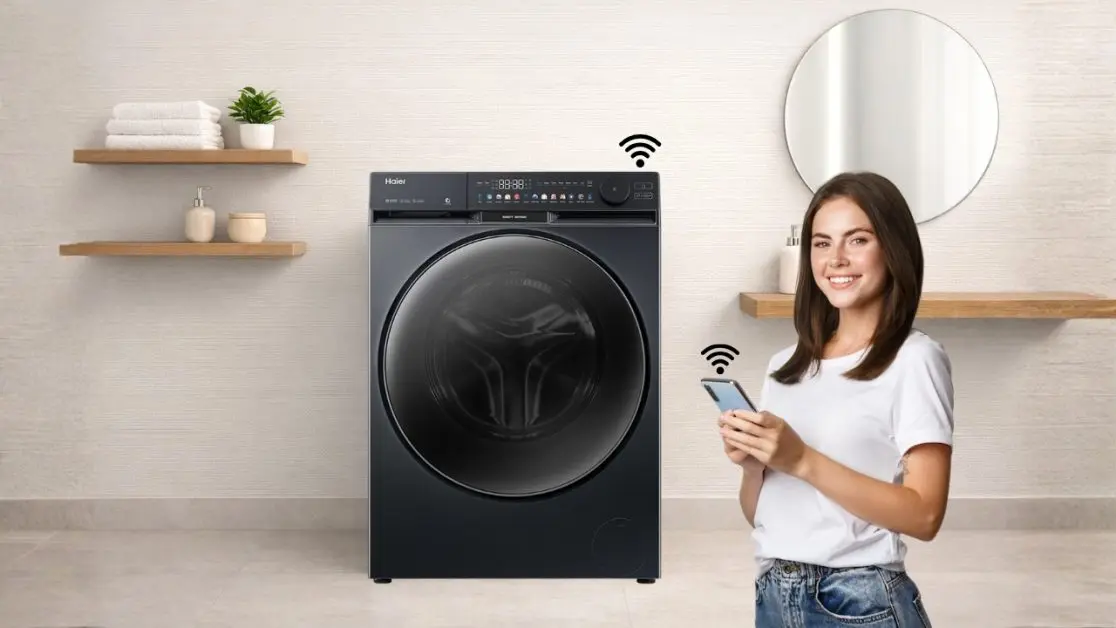
Intelligent washing is not about screens or apps.
It is about decision-making.
Modern machines sense:
- Fabric type
- Load weight
- Dirt level
- Water absorption rate
Then adjust:
- Wash duration
- Drum speed
- Water volume
- Rinse cycles
This removes guesswork.
When machines make better decisions than rushed humans, hygiene becomes consistent.
Consistency is the real upgrade.
Energy efficiency and hygiene work together
There is a belief that hygienic washing uses more electricity.
In practice, inefficient washing wastes more.
Multiple rewashes.
Extra detergent.
Repeated quick cycles.
Optimised wash cycles that match water, time, and movement to the load consume less power while delivering better hygiene. Eco wash modes in modern Haier front load machines demonstrate that cleanliness and efficiency are not opposites.
Why quiet machines support better hygiene habits
Noise seems unrelated to hygiene.
It is not.
Loud machines discourage longer cycles.
They push people to rush washes.
They reduce consistency.
Quiet Direct Motion Motors allow:
- Night-time washing
- Longer hygienic cycles
- Regular drum cleaning programs
Silence supports discipline.
And discipline supports hygiene.
Everyday hygiene is built into systems, not reminders
Most people care about hygiene.
They just lack supportive systems.
A washing machine that:
- Chooses the right cycle
- Handles mixed loads
- Maintains itself
- Protects fabrics automatically
Reduces mental load.
This is how appliances shape modern lifestyles.
Not by demanding attention.
By quietly earning trust.
The bigger shift happening inside Indian homes
Indian households are moving from reactive cleaning to preventive hygiene.
Less stain removal.
More residue prevention.
Less scrubbing.
More intelligent washing.
Laundry is no longer a chore.
It becomes infrastructure.
What hygiene-focused washing really gives you
Not just cleaner clothes.
But these outcomes:
- Clothes that stay fresh longer
- Skin that feels calmer
- Fabrics that last more seasons
- Mornings with fewer decisions
The best appliances disappear into daily life.
When hygiene becomes automatic, life feels lighter.
And that is the quiet promise hygiene-focused washing brings to modern Indian homes.
Frequently Asked Questions
My clothes look clean and don’t smell. Why do they still feel unhygienic after a day?
Because visual cleanliness hides a hygiene gap. Lightly worn clothes often retain sweat salts, skin oils, and bacteria deep inside fibres. These don’t smell immediately but reactivate with body heat, causing odour and discomfort later.
I already use a good detergent. Why isn’t that enough for daily wear hygiene?
Detergent works only when supported by proper water penetration, movement, temperature, and rinsing. Without enough rinse quality or wash time, detergent residue can actually trap bacteria instead of removing it.
I always put lightly worn clothes on quick wash. Is that bad for hygiene?
Quick cycles save time but often fail at dilution and rinsing. Sweat residue needs time and movement to dissolve fully. Over time, rushed cycles cause faster odour return and fabric fatigue.
Why do my everyday clothes lose freshness faster than heavily soiled ones?
Textile hygiene research shows bacteria thrive most in lightly worn, quickly washed fabrics. Heavily soiled clothes usually get longer, more thorough cycles ironically making them more hygienic.
Does hygienic washing always mean hotter water and longer cycles?
No. Hygiene comes from intelligent sequencing, not brute force. Modern front-load machines achieve deeper cleaning through better drum movement, timing, and rinse quality even at moderate temperatures.
Am I damaging my clothes by washing them too “fast”?
Yes, indirectly. Short cycles often leave residue behind, which stiffens fibres and attracts bacteria. Over time, this shortens fabric life more than gentle, well-balanced cycles.
What does “intelligent washing” actually mean for my daily laundry?
It means the machine makes better decisions than a rushed human. It senses load weight, fabric type, and water absorption, then adjusts wash time, movement, and rinsing automatically delivering consistent hygiene without guesswork.
I do laundry late at night. Does that affect hygiene?
It can be positive or negative. Quiet machines encourage longer, complete cycles instead of rushed ones. Silent operation supports discipline, and discipline supports hygiene.