
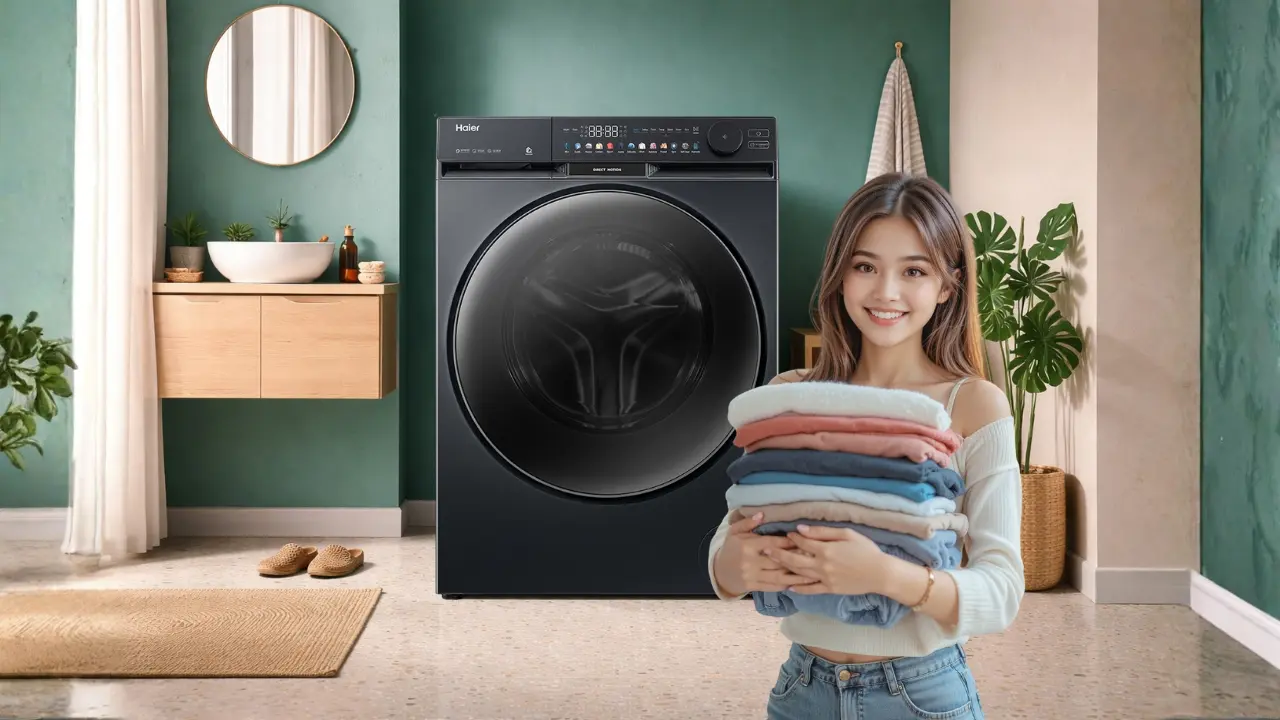

Intelligence in home appliances helps you save time, energy, and effort. But without hygiene built into the system, that intelligence slowly breaks down.
A truly smart home is not just one that makes decisions. It is one that stays clean, safe, and reliable even when no one is paying attention.
This is the difference modern Indian homes are beginning to notice.
When do smart appliances stop feeling smart?
The failure is never sudden.
It shows up quietly.
A washing machine that chooses the perfect cycle but smells stale after two days.
A refrigerator that cools efficiently but develops damp corners.
An AC that adjusts temperatures beautifully but circulates air that feels heavy.
Intelligence works.
The hygiene does not.
And once hygiene slips, intelligence loses credibility.
Why Indian homes expose this problem faster
Indian households are demanding environments for appliances.
- High humidity for most of the year
- Extended monsoon seasons
- Compact balconies and utility areas
- Shared usage across family members
- Machines running almost daily
In such conditions, moisture does not evaporate easily. Residue does not disappear on its own. Bacteria find time and space to settle.
Smart features that work perfectly in ideal conditions start struggling here.
That is not a user problem.
It is a design problem.
Intelligence improves decisions. Hygiene protects results
These two roles are not the same.
Intelligence focuses on:
- Load detection
- Energy optimisation
- Time management
- Water efficiency
Hygiene focuses on:
- What happens after the cycle ends
- Where moisture collects
- How detergent residue is cleared
- Whether the appliance stays clean between uses
One makes appliances impressive.
The other makes them trustworthy.
Without hygiene, intelligence becomes temporary.
The invisible system most people never think about
Every appliance runs two systems at once.
The visible system
- Displays
- Sensors
- Smart modes
- App controls
The invisible system
- Internal surfaces
- Water pathways
- Drainage angles
- Air circulation
- Drying behaviour
Most marketing celebrates the visible system.
Daily life suffers because of the invisible one.
Hygiene lives entirely in what you cannot see.
The washing machine moment everyone recognises
The cycle finishes.
Clothes feel fresh.
The door shuts.
Two days later, you open it again.
There it is.
That damp smell you were not expecting.
This happens because moisture and detergent residue remain inside the drum. Warm conditions do the rest.
No algorithm can fix this unless hygiene is engineered into the machine itself.
This is where design choices matter.
Haier front load washing machines like the Haier 10 Kg Fully Automatic Front Load Washing Machine (HW100-DM14F9BKU1) and the Haier 12 Kg F9 Front Load Washing Machine (HW120-DM14F9BKU1) combine intelligent wash logic with hygiene focused systems such as dual spray technology, steam based refresh programs, and drum designs that minimise residue build up.
These features are not decorative. They are preventive by nature.
Why smart homes should reduce reminders, not create them
A well designed system lowers mental load.
A poorly designed one increases it.
When hygiene is missing, households start compensating:
- Leaving washing machine doors open for hours
- Running extra rinse cycles
- Wiping down interiors manually
- Scheduling deep cleans more often
This defeats the purpose of smart living.
True intelligence disappears into the background.
Hygiene is what allows that to happen.
Three ways households deal with hygiene gaps
Most homes respond in one of three ways.
One option is over maintenance
Manual cleaning becomes frequent.
- High time cost
- Inconsistent results
- Fatigue over time
The second option is tolerance
Smells, residue, and inefficiency are accepted.
- Performance drops
- Appliance life shortens
- Health risks quietly rise
The third option is built in hygiene
The appliance handles cleanliness on its own.
- Less effort
- More consistency
- Better long term value
Only one of these works at scale.
Why hygiene matters more as appliances get smarter
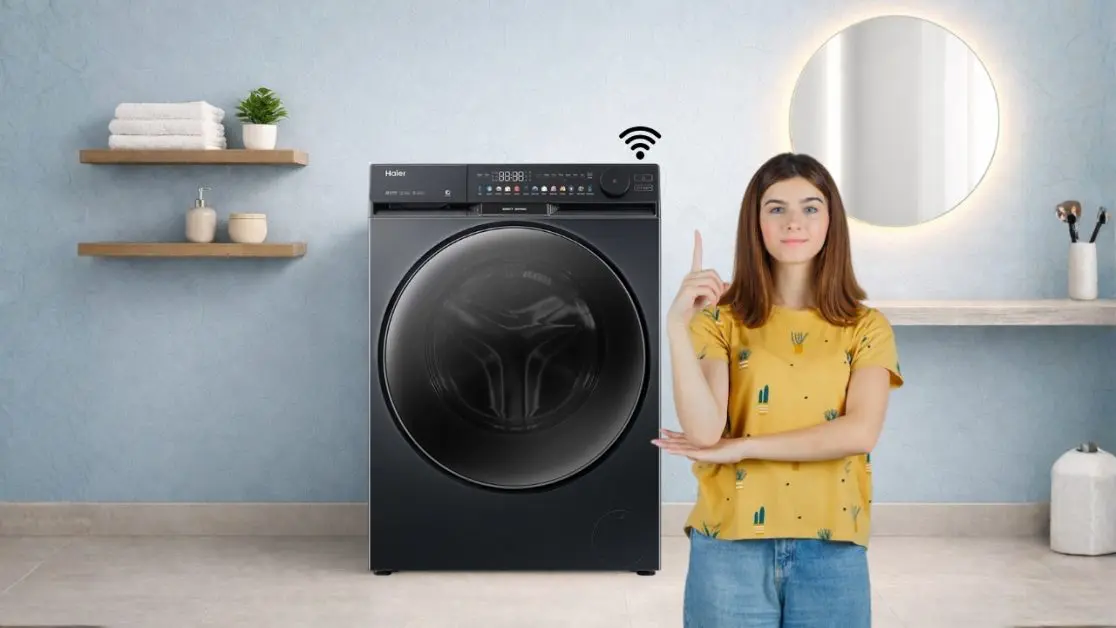
Smart homes compress time.
Faster cycles.
Back to back usage.
Less downtime.
When time compresses, recovery windows disappear.
If an appliance does not manage hygiene internally, problems accumulate quickly.
This is why hygiene is no longer an optional feature.
It is a foundation for intelligent living.
As appliances start making decisions for us, they must also manage the consequences of those decisions.
Clean systems age differently
Hygiene is not only about comfort.
It affects longevity.
Residue stresses seals.
Moisture corrodes components.
Bacterial buildup affects materials.
Hygienic systems protect:
- Internal parts
- Wash consistency
- Energy efficiency
- Long term reliability
This is where engineering choices like Haier’s Direct Motion Motor matter.
By reducing vibration and wear, it supports smoother operation and cleaner internal conditions across years of use.
Less friction. Less stress. Better aging.
Intelligence tells you what to do. Hygiene decides how often you need help.
That is the real trade off.
Smart features help start cycles.
Hygiene features prevent service calls.
One impresses early.
The other earns trust slowly.
In Indian homes, trust compounds faster than novelty.
The future of smart living will feel quieter
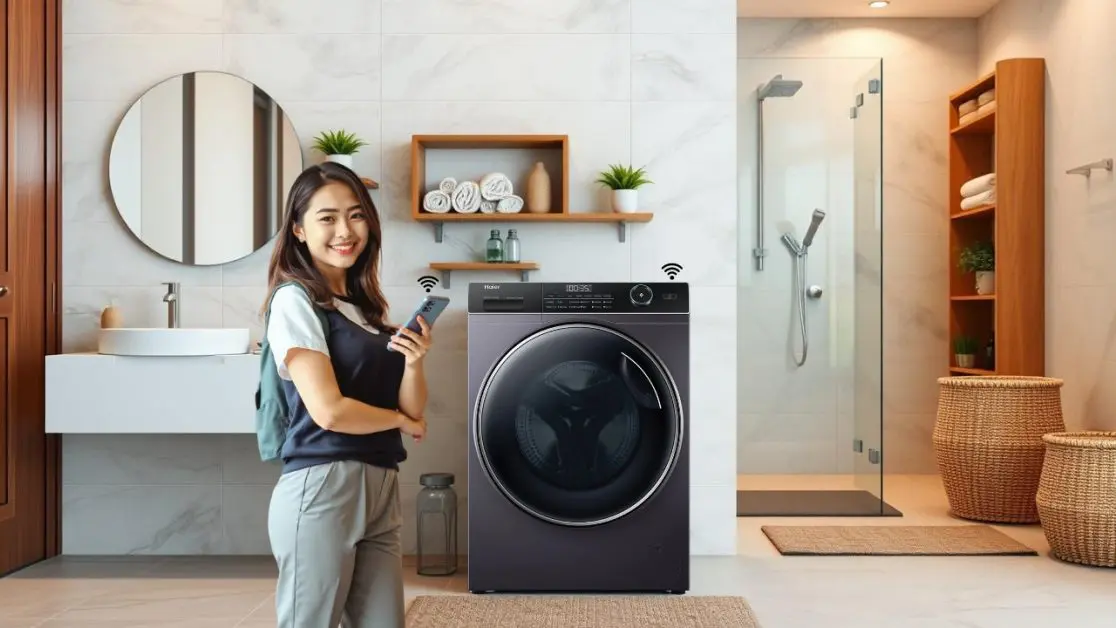
It will not rely on louder displays or more buttons.
It will remove friction instead.
- No unexplained smells
- No repeat washes
- No extra cleaning routines
- No surprises after a long workday
That future depends less on intelligence upgrades and more on hygiene thinking.
How this changes the way we choose appliances
The most important question is no longer:
“What can this appliance do?”
“What does it take care of when I am not watching?”
Hygiene is the answer hiding inside that question.
Because intelligence without hygiene fades.
Hygiene without intelligence wastes effort.
But when both work together, homes feel calmer, cleaner, and more in control.
That is what smart living was always meant to be.
Frequently Asked Questions
My washing machine chooses the right cycle, so why does it still smell bad after two days?
Because intelligence decides how to wash, not what happens after washing. If moisture and detergent residue remain inside the drum, bacteria grow especially in humid Indian conditions. Without built-in hygiene systems, even the smartest logic loses credibility.
I feel like my appliances are smart on paper but frustrating in daily life. Why?
Most appliances focus on visible intelligence (displays, sensors, apps) but neglect invisible hygiene systems (drainage, drying, residue removal). Daily life suffers where design ignores what happens between cycles.
Why do appliances develop smells and residue faster in Indian homes?
Indian homes combine humidity, monsoons, compact spaces, and near-daily usage. Moisture doesn’t evaporate easily, giving bacteria time to settle. Designs that work in ideal climates struggle here.
I use my washing machine almost daily. Does that make hygiene more important?
Yes. Back-to-back cycles reduce recovery time. Without internal hygiene management, residue and moisture accumulate quickly.
Are smart features designed for Indian conditions?
Many are adapted from global designs. True suitability comes when hygiene is engineered specifically for high-humidity, high-frequency use environments like India.
Then what does hygiene handle?
Hygiene manages consequences, clearing residue, drying internal surfaces, preventing bacterial buildup, and keeping the appliance clean between uses.