
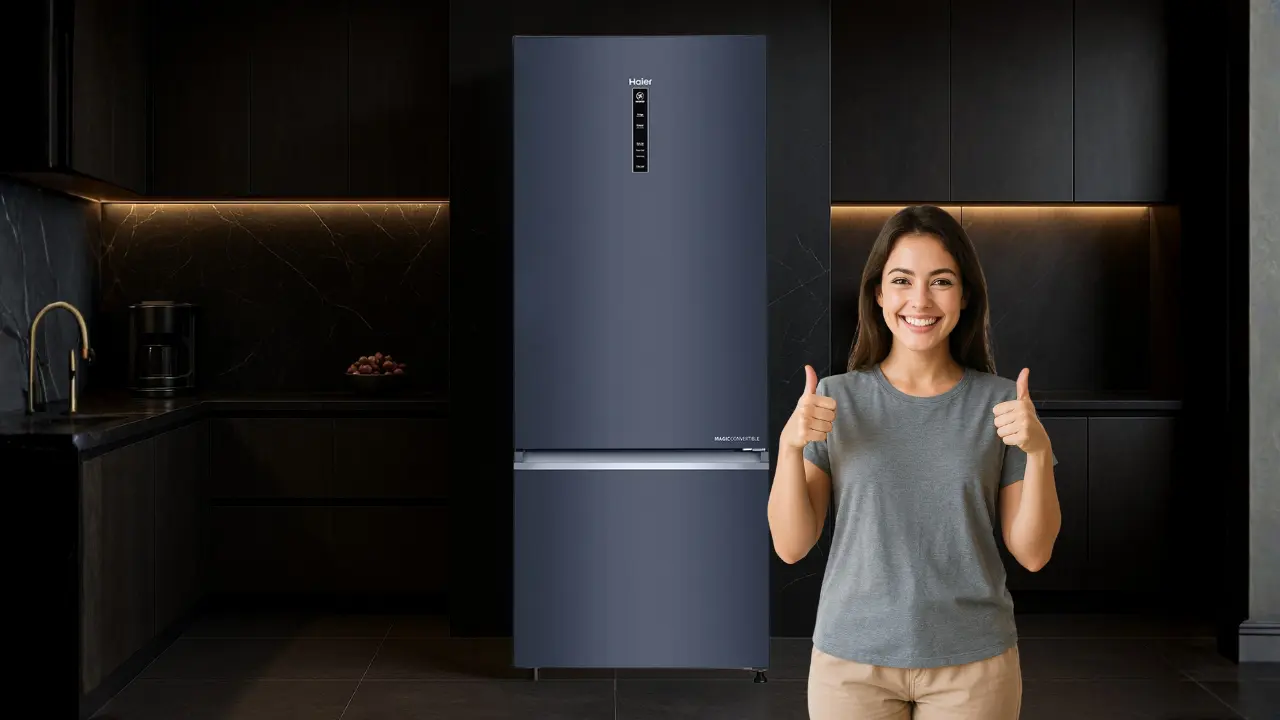

Modern Indian kitchens are shifting from “store everything” to store smartly. People now prioritise freshness, flexibility, and visibility.
The focus is on reducing waste, saving time, and adapting storage to daily life rather than forcing habits around fixed shelves and rigid systems.
The Fridge Is No Longer a Box. It’s a System.
Walk into any Indian kitchen at 9 pm.
Leftover dal in one corner. Half-cut vegetables in another. Milk packets pushed behind a container. Someone searching for coriander that was bought yesterday.
This isn’t a storage problem.
It’s a system problem.
Modern food storage trends are quietly solving this. Not by adding more space. But by changing how space behaves.
Storage is no longer about capacity. It’s about control.
Trend 1: Flexibility Is Replacing Fixed Storage
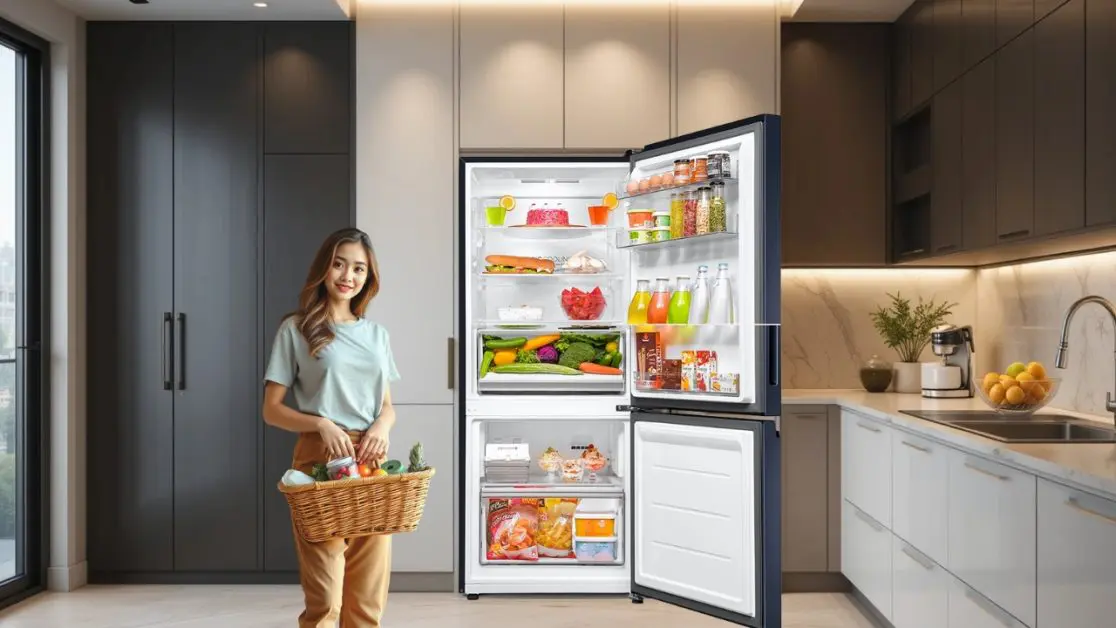
Earlier, refrigerators were static. Shelves stayed where they were. Compartments had one job.
But Indian kitchens don’t work that way anymore.
Some days, you’re storing bulk vegetables after a mandi visit.
Other days, it’s meal prep boxes for the week.
Festive weeks? It’s sweets, snacks, and overflow.
One layout cannot serve all these realities.
That’s why flexible storage is becoming the new baseline.
What this looks like in real life:
- Convertible fridge modes that adapt cooling zones
- Adjustable shelves that move based on container size
- Dedicated spaces for vegetables that expand when needed
For example, refrigerators like the Haier 445L 2 Star Black Glass Bottom Mount Refrigerator (HRB-4952CKGA-P) offer 14-in-1 convertible modes, allowing users to shift storage based on daily needs rather than sticking to a fixed setup.
Insight:
The best storage systems don’t organise your food. They adapt to your life.
Trend 2: Visibility Is Becoming More Valuable Than Space
Open your fridge.
How many things do you not see?
That’s where waste lives.
Modern kitchens are moving towards see-through, easy-access storage. Because what you can see, you use.
Why this matters:
- Up to 30 to 40 percent of household food waste comes from forgotten items
- Urban India is shifting to weekly grocery cycles
- More storage increases chances of neglect
New storage behaviours:
- Transparent vegetable drawers
- Wider shelves instead of deeper ones
- Organised door compartments for quick access
Large vegetable boxes like the 2X Bigger Veg Box in the Haier 445L 2 Star Graphite Black Bottom Mount Refrigerator (HRB-4952BGKA-P) are designed to hold more while keeping everything visible and usable.
Insight:
Invisible food is wasted food.
Trend 3: Less Bending, More Ergonomics
This one sounds small. It isn’t.
Think about how many times you bend to access vegetables in a day. Now multiply that by years.
Traditional top-freezer designs forced users to bend repeatedly. Modern Indian kitchens are shifting towards bottom-mounted storage.
What changed:
- Frequently used items move to eye level
- Vegetable compartments come up instead of down
- Freezer, used less often, moves below
This shift is reflected in designs like the Haier 445L 2 Star Black Glass Bottom Mount Refrigerator (HRB-4952CKGA-P), which follows the Jhukna Mat philosophy, reducing bending significantly.
The hidden system here:
- Storage is not just about food
- It’s about human movement
- Good design reduces friction
Insight:
The best storage solutions don’t just save space. They save effort.
Trend 4: Energy Efficiency Is Driving Storage Choices

Electricity bills have quietly become a design constraint.
People now think twice before choosing inefficient systems.
What people are choosing:
- Inverter-based cooling systems
- Stabilizer-free operations
- Faster cooling cycles
For instance, models like the Haier 445L 2 Star Graphite Black Bottom Mount Refrigerator (HRB-4952BGKA-P) use Triple Inverter and Dual Fan Technology to maintain freshness while saving energy.
Why this matters in Indian homes:
- Voltage fluctuations are common
- Summers increase appliance load
- Energy savings directly impact monthly budgets
Insight:
Efficiency is the new luxury.
Trend 5: Multi-Use Storage Is Replacing Single-Use Thinking
Indian kitchens are evolving.
You’re no longer just storing raw ingredients.
You’re storing:
- Meal prep boxes
- Leftovers
- Dairy alternatives
- Frozen snacks
- Festival sweets
This demands multi-purpose storage.
Three ways people are adapting:
One option is bulk storage.
Large compartments for weekly groceries.
Cost: Needs planning.
Benefit: Saves time.
The second option is modular storage.
Different zones for different foods.
Cost: Requires discipline.
Benefit: Better organisation.
The third option is dynamic storage.
Convertible zones that change function.
Cost: Higher upfront investment.
Benefit: Maximum flexibility.
Insight:
Storage works best when it mirrors how you eat, not how appliances are designed.
Trend 6: Speed Is Becoming a Storage Feature
Storage is no longer passive. It’s active.
People want faster results.
- Faster cooling after shopping
- Quick ice for gatherings
- Immediate chilling in summers
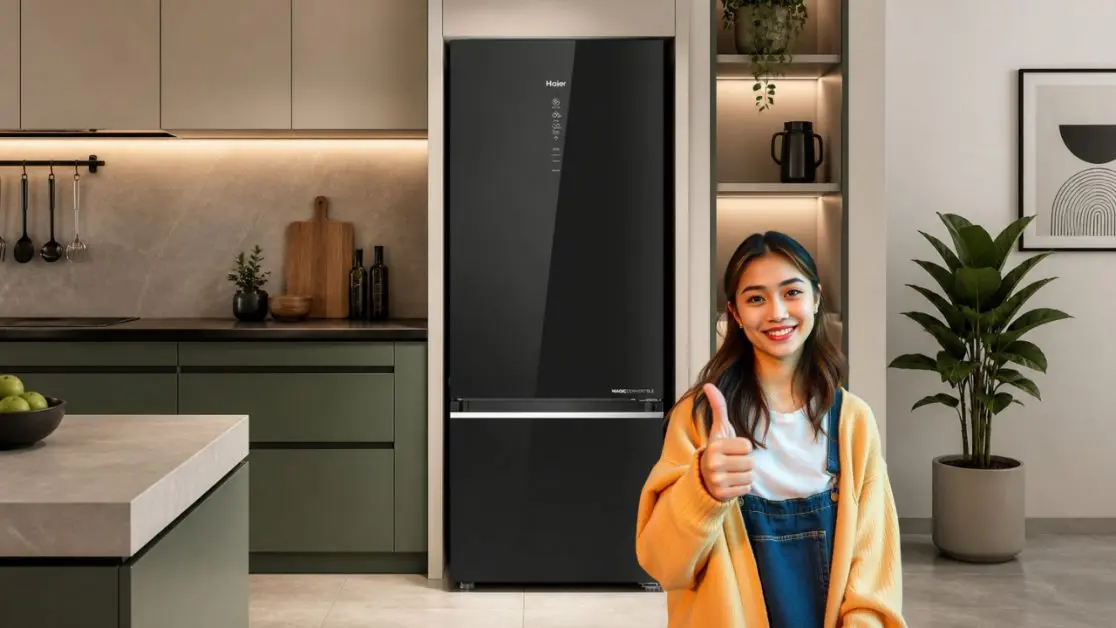
Features like 1 Hour Icing Technology in the Haier 445L 2 Star Black Glass Bottom Mount Refrigerator (HRB-4952CKGA-P) deliver ice quickly without waiting overnight.
Why this trend matters:
- Urban lifestyles demand speed
- Hosting is often spontaneous
- Waiting feels inefficient
Insight:
Time is now part of storage design.
Trend 7: Hygiene Is No Longer Optional
This shift accelerated after the pandemic.
People now care deeply about how food is stored.
New expectations:
- Anti-bacterial materials
- Easy-to-clean interiors
- Removable components
Modern refrigerators now include features like anti-bacterial gaskets and easy-clean designs to improve hygiene and safety.
The deeper pattern:
- Storage is linked to health
- Clean systems reduce stress
- Hygiene builds trust
Insight:
A clean fridge is peace of mind.
So What Does This Mean for Your Kitchen?
Food storage in modern Indian kitchens is moving in three directions:
1. From static to adaptive
Storage that changes with your life
2. From hidden to visible
Storage that reduces waste
3. From effort to ease
Storage that fits human behaviour
A Simple Framework to Think About Your Own Storage
Before choosing a system, ask:
1. What do I store most often?
Vegetables, leftovers, or bulk groceries?
2. What frustrates me today?
Clutter, bending, or food waste?
3. What changes week to week?
Lifestyle, family size, or cooking habits?
Your answers define your storage system.
Where Smart Appliances Quietly Fit In
Appliances are no longer just machines.
They are systems that remove friction.
Refrigerators like the Haier 445L 2 Star Black Glass Bottom Mount Refrigerator (HRB-4952CKGA-P) or the Haier 445L 2 Star Graphite Black Bottom Mount Refrigerator (HRB-4952BGKA-P) don’t just store food.
They adapt to routines.
They reduce effort.
They simplify decisions.
That’s not a feature list.
That’s thoughtful design.
The Bigger Insight Most People Miss
Food storage is not about preserving food.
It’s about preserving time, effort, and attention.
Every saved minute compounds.
Every avoided waste adds up.
Every small convenience builds ease.
Final Thought: The Kitchen Is Becoming Smarter Than We Realise
Modern Indian kitchens are not getting bigger.
They’re getting smarter.
Smarter in how they store.
Smarter in how they reduce effort.
Smarter in how they align with real life.
And the real shift?
It’s happening quietly.
Because the way you store your food shapes the way you live your life.
Frequently Asked Questions
I keep buying containers and organisers, but my fridge still feels messy.
The issue may not be storage quantity, but storage flexibility. Modern kitchens need adjustable shelves, visible compartments, and zones that change with daily routines.
How do I decide what kind of fridge storage my family actually needs?
Start with your real habits: do you store more vegetables, leftovers, dairy, frozen snacks, or weekly groceries? Your storage system should match your routine, not the other way around.
I cook differently during weekdays, weekends, and festivals. Can one fridge layout handle all that?
A fixed layout may struggle. Convertible modes and adjustable compartments are useful because they let you shift space based on bulk shopping, meal prep, or festive storage.
My kitchen is not getting bigger, but my storage needs are. What should I prioritise?
Prioritise visibility, flexible zones, and easy access over just bigger capacity.
Are convertible fridge modes useful in Indian homes or just a marketing feature?
They can be useful if your storage needs change often. For example, weekly groceries, meal prep, festive sweets, and frozen snacks all need different space planning.
I bend too much to take vegetables out of my fridge. Is a bottom-mount fridge better?
Yes. Bottom-mount designs keep frequently used items closer to eye level and reduce daily bending.
My electricity bill goes up in summer. Can my fridge choice help?
Yes. Inverter cooling, stabilizer-free operation, and energy-efficient technology can help manage power use, especially during hot months.
I live in an area with voltage fluctuations. What fridge feature should I care about?
Stabilizer-free operation and inverter technology are helpful in Indian homes where voltage fluctuations are common.