

Smarter wash cycles matter because Indian laundry is not one-size-fits-all.
From sweaty office wear and festival silks to school uniforms and weekend bedding, modern wash cycles need to think, adapt, and save effort.
The smartest washing machines today do not just spin clothes. They read context, adjust automatically, and quietly make everyday life easier.
That is the shift Indian homes are living through right now.
Why does Indian laundry need smarter thinking, not stronger spinning?
Indian homes wash differently.
We wash more often.
We mix fabrics in a single load.
We deal with hard water, humidity, dust, and long workdays.
Laundry happens between meetings, school runs, and late dinners. It is rarely planned. It is always necessary.
The old idea of laundry assumed time and attention. Modern Indian life does not offer either.
Smarter wash cycles step into that gap.
They remove decision fatigue.
They reduce waste.
They fit laundry into life instead of forcing life around laundry.
That is the real upgrade.
The real problem is not dirty clothes. It is mental load
Think about a typical weekday evening.
You are back from work. The gym clothes are damp. The kid’s uniform is muddy. A delicate kurta needs care before the weekend.
Now pause.
Which mode do you choose?
How much water is enough?
Is this load too small or too mixed?
Traditional washing machines hand these decisions to the user.
Smarter wash cycles take them back.
This shift is subtle, but powerful. When machines think in systems, humans get back time.
One-touch intelligence changes how households actually wash
Smart washing is not about more buttons. It is about fewer decisions.
Modern AI-driven wash cycles analyse three things automatically:
- Fabric type
- Load size
- Dirt level
Once these are understood, the machine sets water level, drum motion, temperature, and time without manual input.
In practice, this means fewer ruined clothes and fewer repeat washes.
Haier’s One Touch AI Wash, available in its advanced front load machines, is built around this exact principle. You press once. The system does the rest.
Smart does not mean complicated.
Smart means invisible.
Indian fabrics need intelligence, not aggression
Indian wardrobes are diverse by default.
Cotton kurtas.
Synthetic blends.
Denim.
Woollens.
Delicates.
Festival wear.
Older wash cycles treated everything with the same force. Strong spin. Long wash. More water.
That approach cleans, but it also wears clothes down.
Smarter wash cycles use differentiated drum movements and controlled agitation. The idea is simple. Clean thoroughly without stressing fabric fibres.
This is where advanced drum engineering matters.
Large capacity pillow-shaped drums, like Haier’s Super Drum 525 design, allow clothes to move freely rather than tangle tightly. The result is less friction, better rinsing, and longer garment life.
Clean clothes should not come at the cost of shorter wardrobe life.
Energy efficiency is no longer a feature. It is a habit
Electricity bills in Indian homes are not abstract numbers. They are monthly reality checks.
Smarter wash cycles directly address this.
They do it by:
- Weighing the load automatically
- Adjusting water intake precisely
- Reducing unnecessary heating
- Shortening cycles when possible
This approach turns efficiency into default behaviour, not a conscious choice.
Eco Wash cycles, now common in modern washing machines, are designed around conservation without compromise. Less water. Less power. Same cleaning outcome.
Over a year, this translates into real savings, especially for families that wash frequently.
Sustainability works best when it feels effortless.
Quiet washing matters more than people admit
Indian homes are getting denser.
Apartments share walls.
Children sleep early.
Work-from-home calls overlap with household chores.
Noise is not a side issue anymore. It is central to comfort.
Direct Motion motors, which connect the motor directly to the drum without belts, reduce vibration and noise significantly. They also improve durability and energy efficiency over time.
The result is simple.
Laundry can run late at night.
Sleep is not disturbed.
Peace stays intact.
Silence is not luxury. It is respect for shared spaces.
Steam and refresh cycles solve the in-between moments
Not all clothes are dirty. Many are just tired.
Worn once.
The smell of travel.
Wrinkled from storage.
Washing them fully wastes water, time, and fabric strength.
Steam-based refresh cycles solve this gap. They reduce odours, soften fibres, and ease wrinkles without a full wash.
For working professionals and couples setting up new homes, this becomes a quiet lifesaver. Clothes feel wearable again in minutes, not hours.
Laundry becomes responsive instead of repetitive.
Smart washing fits into smart homes naturally
Today’s Indian households are increasingly connected.
Smart TVs manage downtime.
Smart ACs adapt to weather.
Smart refrigerators reduce food waste.
Laundry belongs in this ecosystem.
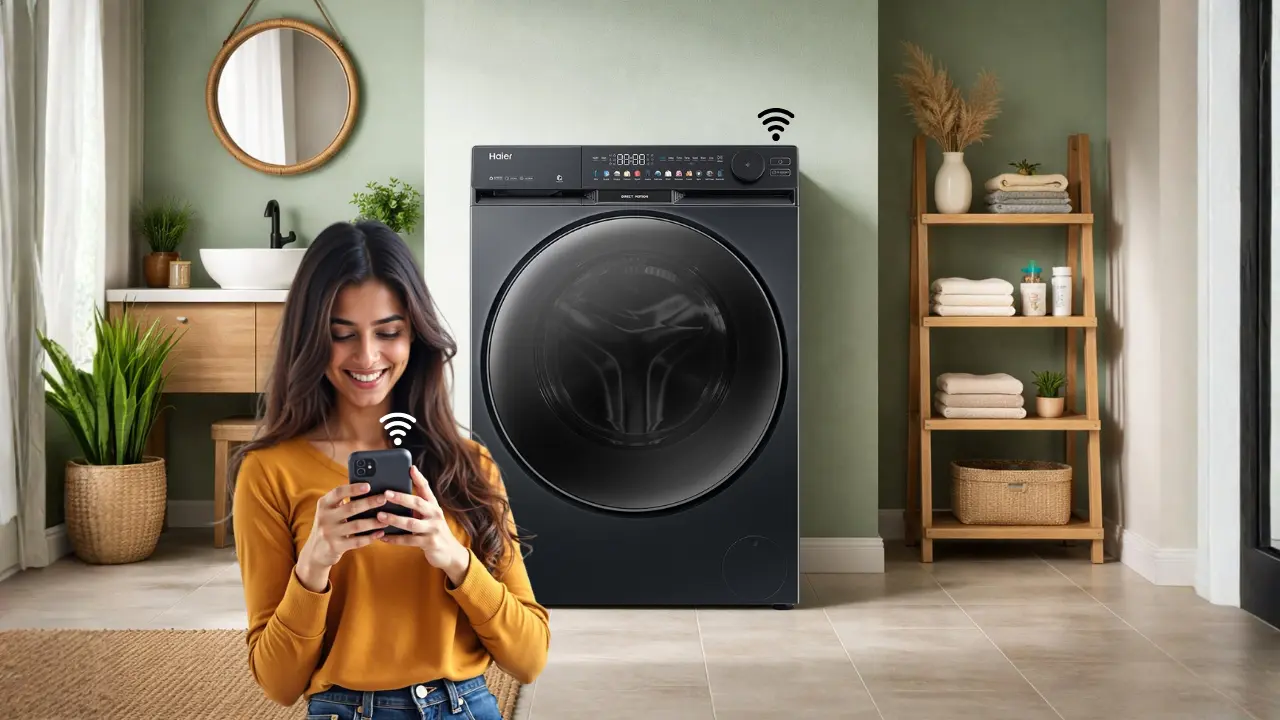
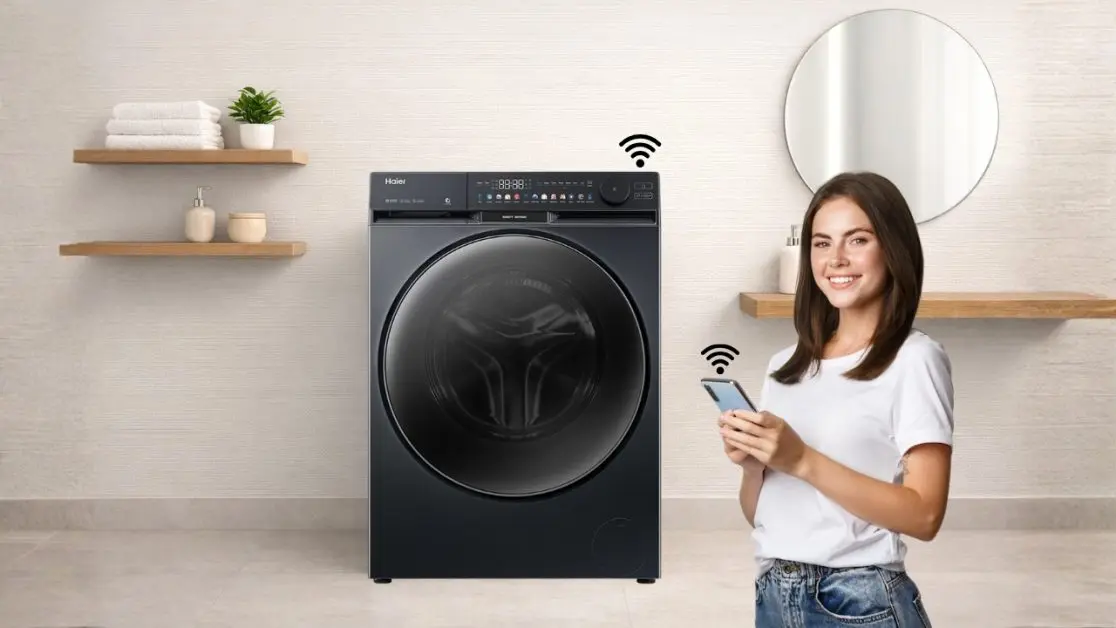
WiFi-enabled washing machines allow users to:
- Start or pause cycles remotely
- Receive cycle completion alerts
- Plan laundry around daily schedules
This is not about controlling appliances. It is about removing friction from routines.
When machines adapt to people, homes feel calmer.
Capacity is not about size. It is about flexibility
Many buyers think capacity equals family size.
That assumption misses the point.
A larger drum allows:
- Bulky items like bedding to wash properly
- Mixed loads to move freely
- Fewer weekly cycles
A 10 kg or 12 kg front load washing machine does not mean more washing. It often means less frequent washing done better.
For Indian families, this reduces water usage, electricity consumption, and weekend chores.
Space inside the drum creates space in the week.
Smarter washing machines are lifestyle decisions
Buying a washing machine used to be transactional.
Today, it is reflective.
People ask different questions:
- Will this save me time?
- Will it protect my clothes?
- Will it fit my daily rhythm?
Brands like Haier India design appliances around these lived realities. The focus is not on selling complexity. It is about reducing effort.
Smart appliances succeed when users forget they are smart.
What smarter wash cycles really teach us
Technology does its best work when it disappears into routine.
Smarter wash cycles are not about control panels or features lists. They are about understanding how Indian homes actually function.
Unpredictable schedules.
Mixed laundry.
Shared spaces.
Rising energy costs.
When appliances respond intelligently to these constraints, life feels lighter.
That is the quiet promise of smart living.
Not louder machines.
Not harder selling.
Just fewer things to think about.
And sometimes, that is the biggest upgrade of all.
Frequently Asked Questions
Are faster wash cycles bad for clothes?
Only when speed replaces intelligence. Smart machines shorten cycles only when possible, not blindly.
Can one wash cycle really handle cottons, synthetics, and denim together?
Older machines struggled. Smarter cycles adjust drum movement and wash intensity dynamically to protect mixed fabrics.
Who benefits most from steam-based wash cycles?
Working professionals, couples, and small families who rewear clothes or need quick refreshes between outings.
I mix cottons, synthetics, and denim in one load. Is that actually okay?
In Indian homes, mixed loads are normal. Smarter machines are designed for this reality. They use adaptive drum movements instead of aggressive spinning, cleaning effectively without damaging varied fabrics.
Is a faster wash always better?
Not always. Speed without intelligence can wear clothes down. Smart cycles balance time, agitation, and water flow, cleaning thoroughly while preserving fabric strength.
Do I really need WiFi in my washing machine?
If your schedule is unpredictable, yes. WiFi lets you start, pause, and monitor cycles remotely, fitting laundry into real life rather than planning around it.
What’s the real upgrade, cleaner clothes or something else?
The real upgrade is less to think about.
Smarter wash cycles disappear into routine, quietly adapting to:
Mixed laundry
Unplanned schedules
Shared living spaces
Rising energy costs
When machines think in systems, people get back time, calm, and mental space.