


Every Indian home knows the frustration.
The fan slows. The lights flicker. And just when your washing machine is mid-cycle, the voltage dips and your laundry plan crashes.
In cities, it’s the overworked grid. In smaller towns, it’s uneven supply. And during monsoon, it’s anyone’s guess. But the outcome is always the same: half-washed clothes and a mood that matches the weather outside.
So what if the motor inside your washing machine could outsmart the voltage drops? What if your wash cycle never missed a beat, no matter what the grid was doing?
The Hidden Enemy: Unstable Power
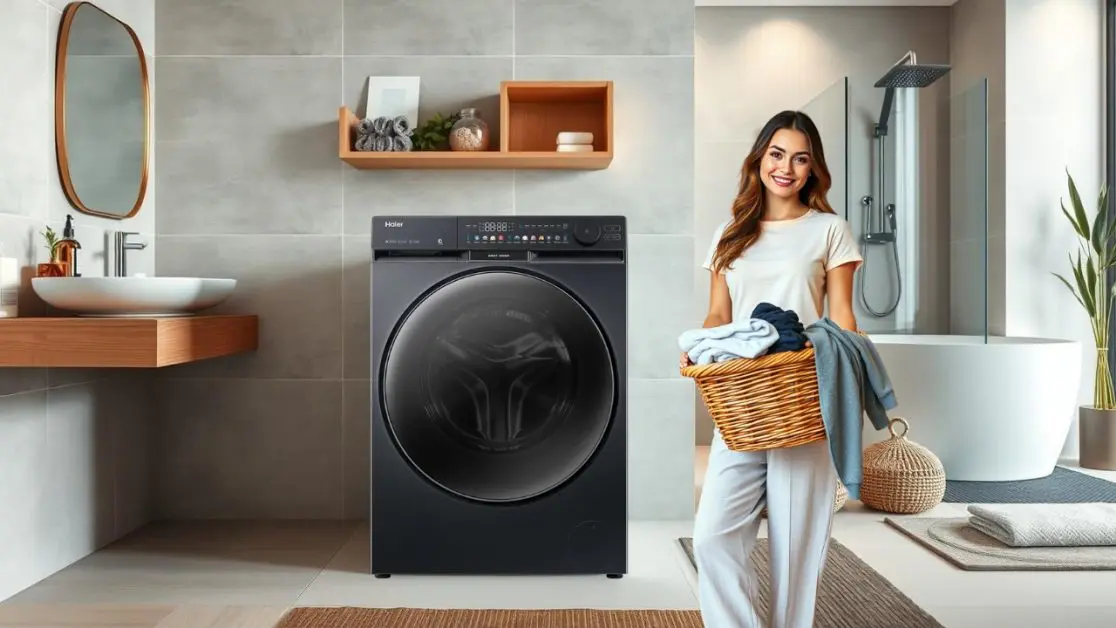
Voltage fluctuations are like invisible potholes on the power highway. You can’t see them, but your appliances hit them every day.
For a washing machine, those dips do more than delay. They strain the motor, disrupt water flow, and sometimes even leave detergent sitting useless in the drum. Over time, they shorten the life of the appliance.
And yet, in most Indian homes, this is normal. We shrug and re-run the wash. That’s time, water, and energy gone.
A Motor Built for Indian Conditions
Here’s where design matters more than marketing. Haier’s top-load washing machines are not just about sleek looks; they carry motors tuned to Indian households.
Take the HWM80-H688BK. The motor comes with memory backup, meaning even if power falters mid-cycle, it remembers exactly where it left off and resumes when voltage stabilizes. No wasted water, no repeated washes.
The HWM80-688S8 goes further; it’s built with near zero pressure technology, ensuring steady performance even in homes where water pressure matches the voltage unpredictable.
And the 9 kg HWM90-H688BK packs anti-scaling technology, keeping the motor clean inside for longer life despite India’s hard water. Because durability isn’t a luxury; it’s survival.
Why This Matters to You
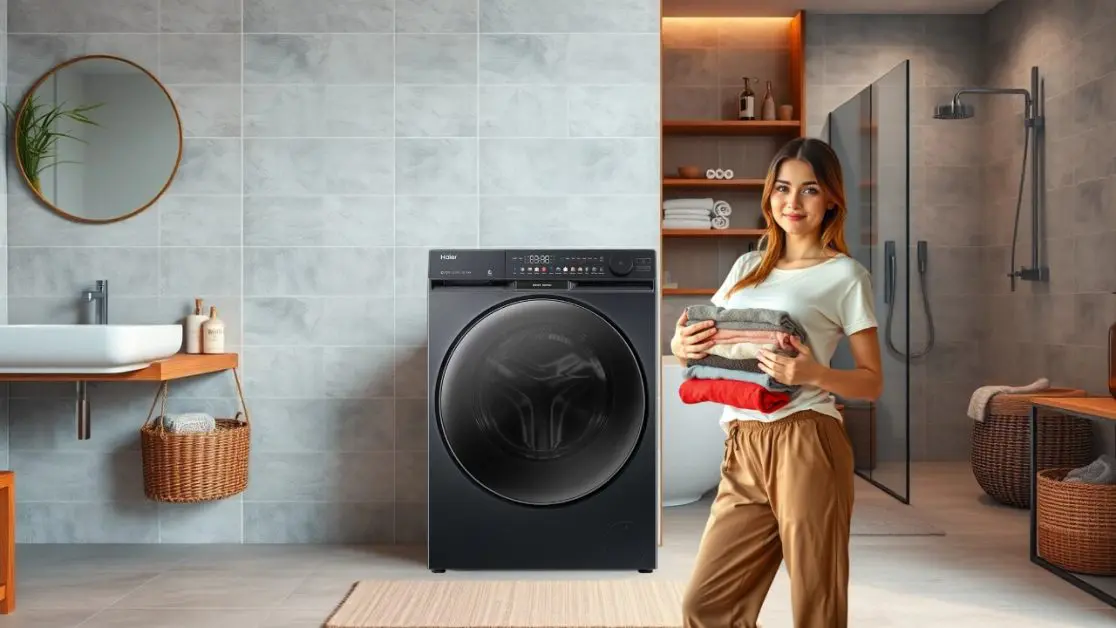
Think of three scenarios:
1. The Bachelor Pad – A single person, washing late night after work. Voltage drop at 11 PM? The motor holds steady and finishes the job while you sleep.
2. The Family Home – Kids’ uniforms, office formals, and bedsheets all lined up. A power cut mid-cycle doesn’t mean waking up to soggy laundry. The machine picks up right where it left off.
3. The Festival Rush – Sarees, kurtas, and cushion covers before Diwali. You don’t get a second chance. A motor that adapts to voltage is the difference between crisp celebrations and damp compromises.
Technology That Feels Invisible – Until You Need It
The beauty of these motors isn’t in a flashy button or gimmick. It’s quiet and reliable.
- Softfall Technology keeps lids closed gently.
- Oceanus Wave Drum protects fabrics while cleaning deep.
- Dual Magic Filters capture lint so your motor doesn’t struggle.
Each detail is invisible in daily use. But together, they build a system that doesn’t collapse when the voltage does.
The Bigger System at Play
This isn’t just about washing machines. It’s about how appliances in India must adapt, not expect perfection.
Where the grid is uneven, design must be resilient. Where water is uncertain, motors must optimize. Where daily life is chaotic, technology must be calm.
Haier’s motors aren’t promising a futuristic dream. They’re solving today’s mess with a kind of pragmatism every Indian household recognises.
The Aphorism to Remember
A washing machine that survives voltage drops isn’t just durable.
It’s empathetic to the life you actually live.
So What Does This Mean for You?
It means fewer rewashes. Lower electricity bills. Less water wasted. And more evenings where you can plan around people, not power.
For Indian households whether a bachelor in Bengaluru, a joint family in Jaipur, or a parent juggling office and home in Delhi, that’s not just convenient. That’s peace of mind.
Because in a country where the grid wavers, your washing cycle shouldn’t.
And with Haier, it doesn’t.