
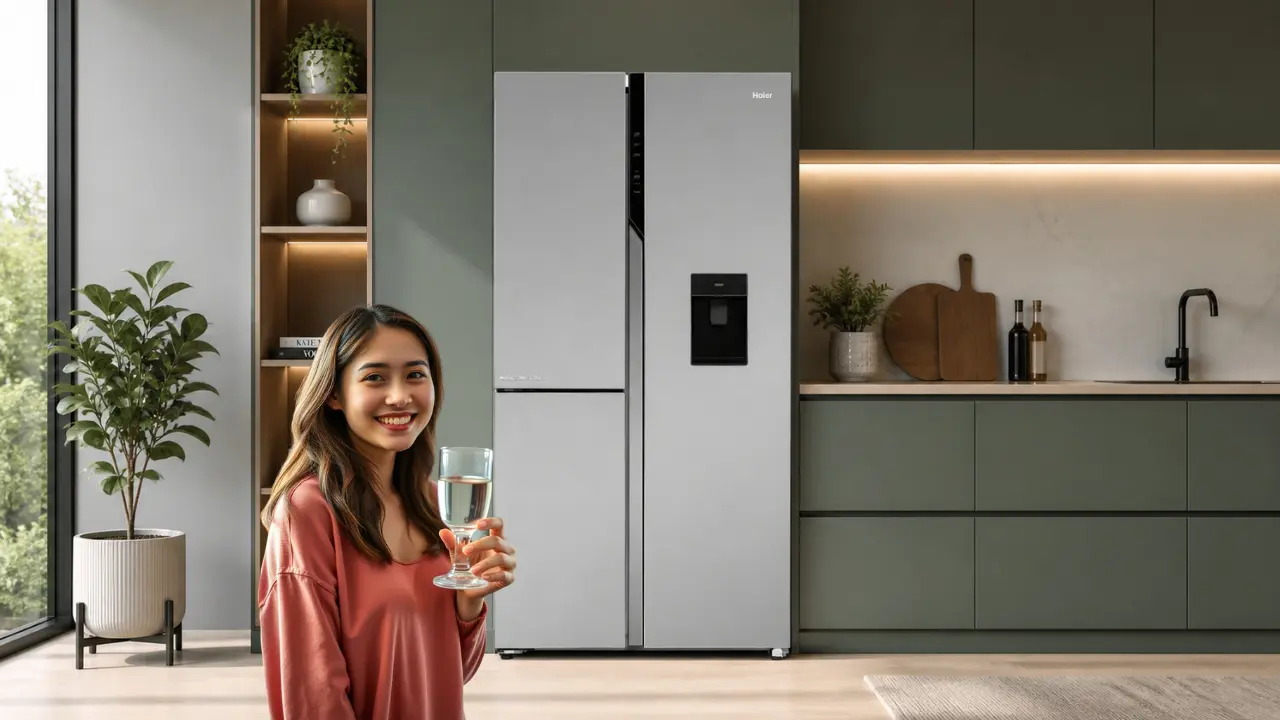

Water dispensers make it easier to drink water every day by getting rid of friction. They make water easy to get to, temperature-controlled, and easy to see.
This changes hydration from something you have to think about to something you do automatically, which helps people and families drink more water all day long.
Why do most people still forget to drink enough water?
It is 10:30 AM.
You have already checked emails, taken a call, and scrolled your phone twice.
But you have not had water.
Not because you forgot.
Because nothing around you made it easy.
Hydration is not about awareness.
It is about the environment.
What is easy gets repeated. What is hidden gets ignored.
And in most homes, water still sits inside a fridge, behind a door, inside a bottle.
The hidden system behind daily hydration
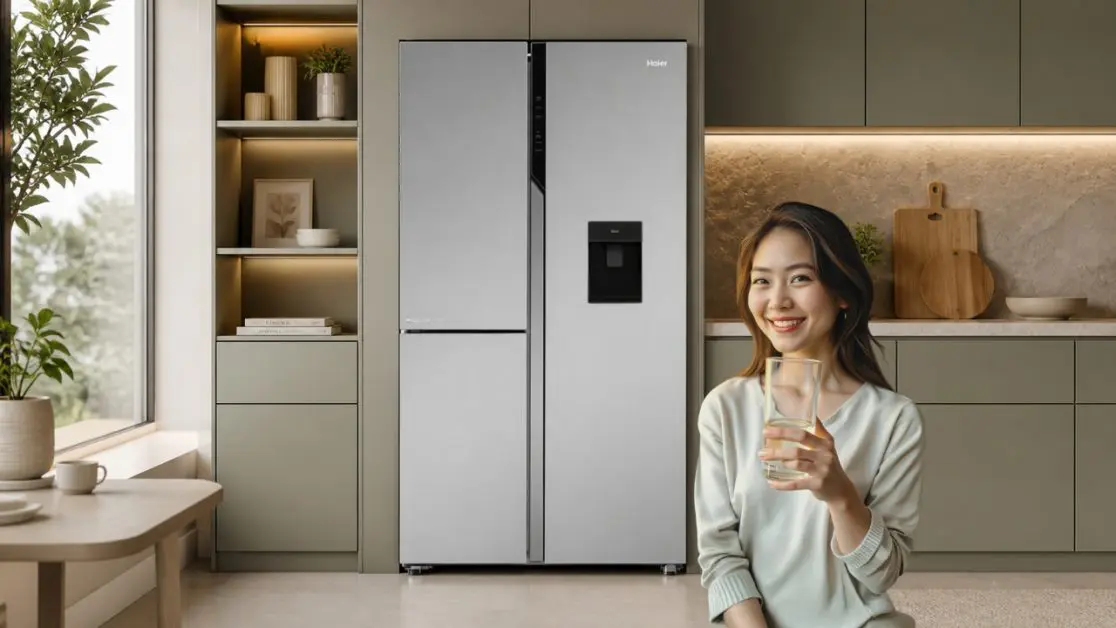
Hydration is not a personal habit.
It is a system design problem.
The way water is stored decides how often it is consumed.
Three common hydration systems in Indian homes
1. Bottle-in-the-fridge system
- Requires opening the fridge
- Feels like a small effort each time
- Gets skipped during busy moments
Cost: Minimal setup
Hidden cost: Inconsistent hydration
3. Filter-and-fill system
- Water purifier in one corner
- Requires refilling bottles manually
Cost: Clean water
Hidden cost: Requires intention every time
3. Dispenser-led system
- One-touch access
- Instant availability
- No effort, no delay
Cost: Slightly higher upfront
Benefit: Consistent daily hydration
Remove effort, and behavior follows.
What changes when water becomes effortless?
You walk into the kitchen.
You see the dispenser.
You press once.
You drink.
No thinking. No delay.
That small moment repeated 8 times a day becomes a habit.
Hydration behavior comparison
| System | Effort Level | Daily Intake Likelihood | Consistency |
| Bottle in fridge | Medium | Low | Inconsistent |
| Filter refill | Medium to high | Moderate | Variable |
| Water dispenser | Low | High | Consistent |
This is not about convenience.
It is about frequency.
And frequency builds habits.
The temperature is not comfortable. It is a trigger
People do not avoid water.
They avoid discomfort.
Warm water in summer.
Too cold water in winter.
The experience matters.
What temperature control actually does
- Cold water increases intake during heat
- Hot water supports digestion habits
- Normal water becomes default for daily use
Choice increases consumption. Lack of choice reduces it.
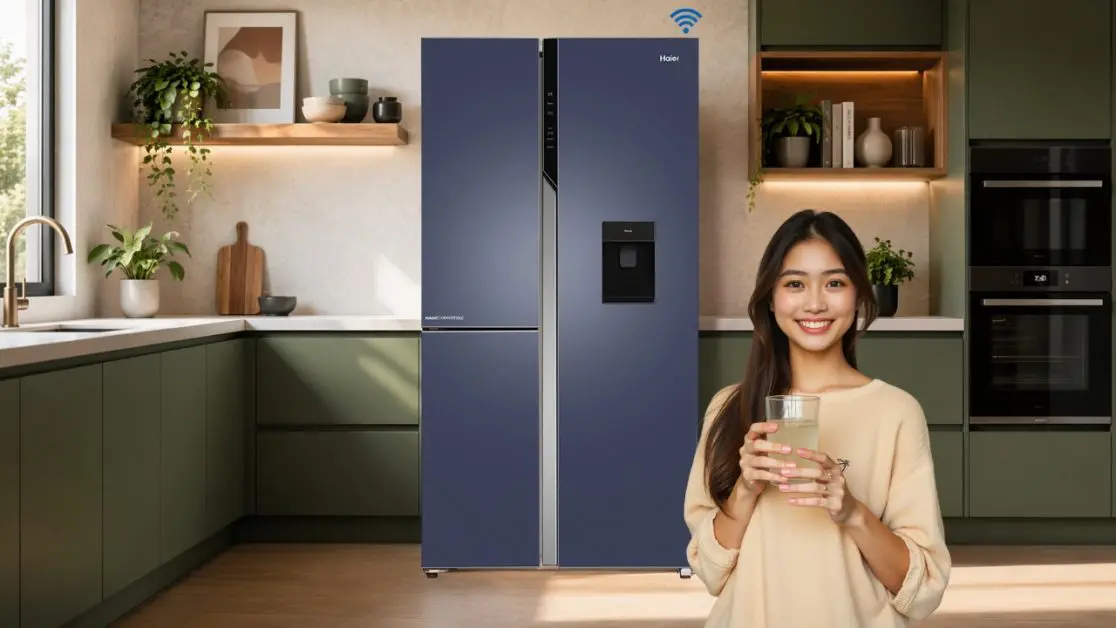
This is where integrated systems like the Haier 592L Graphite Black 3 Door Smart Convertible Refrigerator (HRT-683WGKU1) change the experience.
With its in-built BPA-free water dispenser, water becomes instantly accessible without opening the fridge, reducing effort and increasing frequency.
A small shift.
A big behavioral impact.
Visibility changes behavior more than reminders
You can set reminders.
They will get ignored.
But place water in front of someone.
They will drink it.
How visibility works in real homes
- A visible dispenser becomes a cue
- Children drink water more often
- Guests help themselves without asking
What you see, you use.
This is why hydration improves through design, not discipline.
Hydration is a family system, not an individual habit
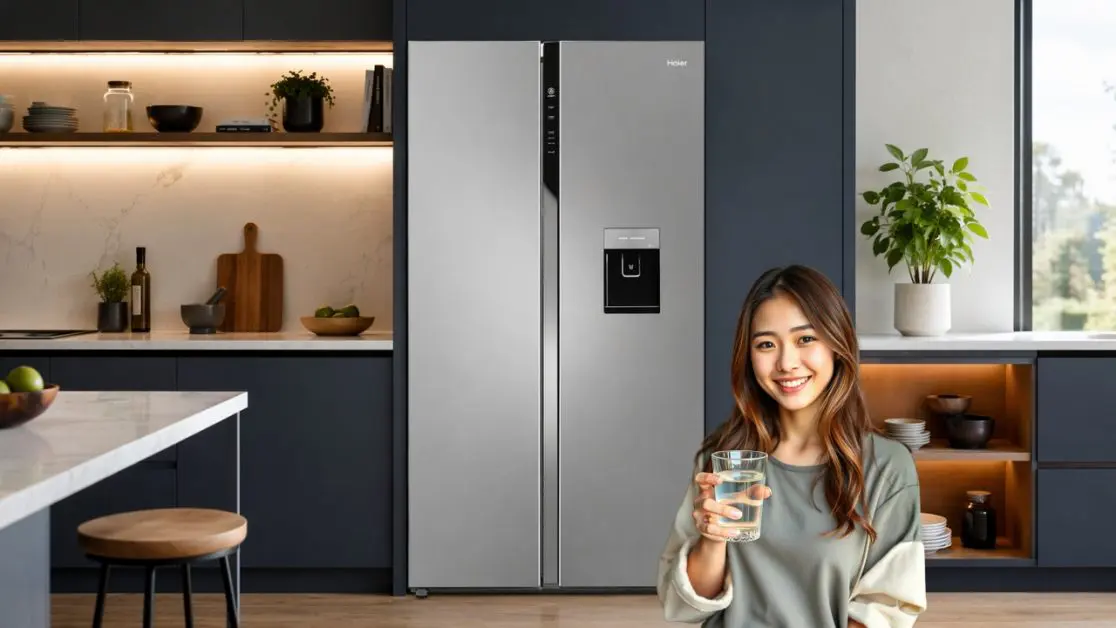
Most advice focuses on individuals.
Drink more water.
Track intake.
But homes do not function individually.
What actually happens inside homes
- Parents forget during busy routines
- Kids follow visible behaviors
- Elderly need easy access
A shared system solves all three.
What a centralized dispenser enables
- One-touch access for everyone
- No dependency on refilling bottles
- A common hydration point in the kitchen
When the system works for everyone, habits stick for everyone.\
The economics of better hydration
Hydration looks simple.
But its impact compounds.
Costs of poor hydration
- Low energy during work
- Reduced focus
- Higher dependence on tea and sugary drinks
Benefits of consistent hydration
- Better productivity
- Improved digestion
- Reduced unnecessary beverage consumption
Simple comparison
| Factor | Without Dispenser | With Dispenser |
| Water intake | Low | High |
| Beverage dependency | High | Low |
| Effort required | High | Minimal |
| Long-term impact | Fatigue | Sustained energy |
Hydration is not just health. It is a daily performance.
Why modern homes are moving towards integrated water systems
Every part of the kitchen has evolved.
Cooking is faster.
Cleaning is automated.
Cooling is smarter.
Water access is catching up.
Three ways homes are upgrading hydration
- Standalone dispensers
- Flexible
- Suitable for large households
- Refrigerators with built-in dispensers
- Space-saving
- Seamless design
- Smart connected systems
- Controlled access
- Better efficiency
The Haier 598L Black White Glass 3 Door Smart Convertible SBS Refrigerator (HRT-683WISU1) takes this further.
Its in-built water dispenser provides clean BPA-free water instantly without opening the fridge, making hydration frictionless and consistent.
This is not just a feature.
It is a system upgrade.
The real reason hydration habits fail
People blame discipline.
But the problem is structure.
Hydration fails when
- Water is not visible
- Access requires effort
- Temperature is not controlled
- Refilling feels like work
Fix the system.
The habit fixes itself.
Good systems make good habits automatic.
What should you actually look for in a water dispenser system?
Not features. Outcomes.
A simple decision framework
One option is basic access
- Easy dispensing
- Reliable usage
- Minimal effort
The second option is enhanced experience
- Multiple temperature options
- Faster access
- Better usability
The third option is integrated living
- Built into appliances
- Saves space
- Blends into daily routines
Each option works.
The right one depends on how your home functions.
The small shift that changes everything
A glass of water feels small.
But repeated daily, it defines energy, focus, and well-being.
Most people try to fix habits with effort.
The smarter move is to fix the system.
Because when the system works, the habit follows.
What this really means for modern Indian homes
Hydration is no longer just about drinking water.
It is about designing a home that makes healthy choices easy.
Smart appliances are not about adding complexity.
They are about removing effort.
And when something as basic as water becomes effortless,
everything else starts to feel more manageable.
The future of living is not more discipline.
It is a better design.
Frequently Asked Questions
Why do I go half my workday without drinking water even though I know it’s important?
Because your environment isn’t prompting you. If drinking water requires effort (like opening the fridge or finding a bottle), your brain naturally deprioritizes it in favor of easier actions.
I keep setting hydration reminders, but I ignore them. What’s wrong with me?
Nothing reminders depend on willpower, which is limited. Systems that make water visible and instantly accessible work better because they remove the need to think or decide.
I leave water bottles around the house but still don’t drink enough. Why doesn’t that work?
Bottles still require refilling and attention. A centralized setup like a dispenser reduces friction and creates a consistent, easy-to-access hydration point.
Is a water dispenser more hygienic than repeatedly refilling bottles?
Yes, especially if it’s BPA-free and built-in. It reduces handling, lowers contamination risk, and prevents water from sitting stale for long periods.
My kids never drink water unless I remind them. Can a dispenser help?
Yes. Kids respond strongly to visibility and ease. When water is right in front of them and simple to access, they’re more likely to drink it on their own.
Why does water temperature affect how much I drink?
Comfort drives behavior. People tend to avoid water that feels unpleasant, too warm or too cold. Having options increases how much you drink.
Do hot and cold options in dispensers actually make a difference?
Yes. Cold water encourages hydration in hot weather, while hot water supports digestion habits, something especially common in Indian households.
How do built-in dispensers in refrigerators improve hydration?
They eliminate extra steps on opening doors, searching for bottles, or constant refilling making hydration quick and effortless.
Are smart refrigerators with dispensers actually useful or just a luxury?
When designed well, they function as behavioral tools rather than just premium features. For example, the Haier 592L Graphite Black 3 Door Smart Convertible Refrigerator (HRT-683WGKU1) includes a BPA-free built-in dispenser that makes drinking water instant, visible, and easy to maintain as a daily habit.