
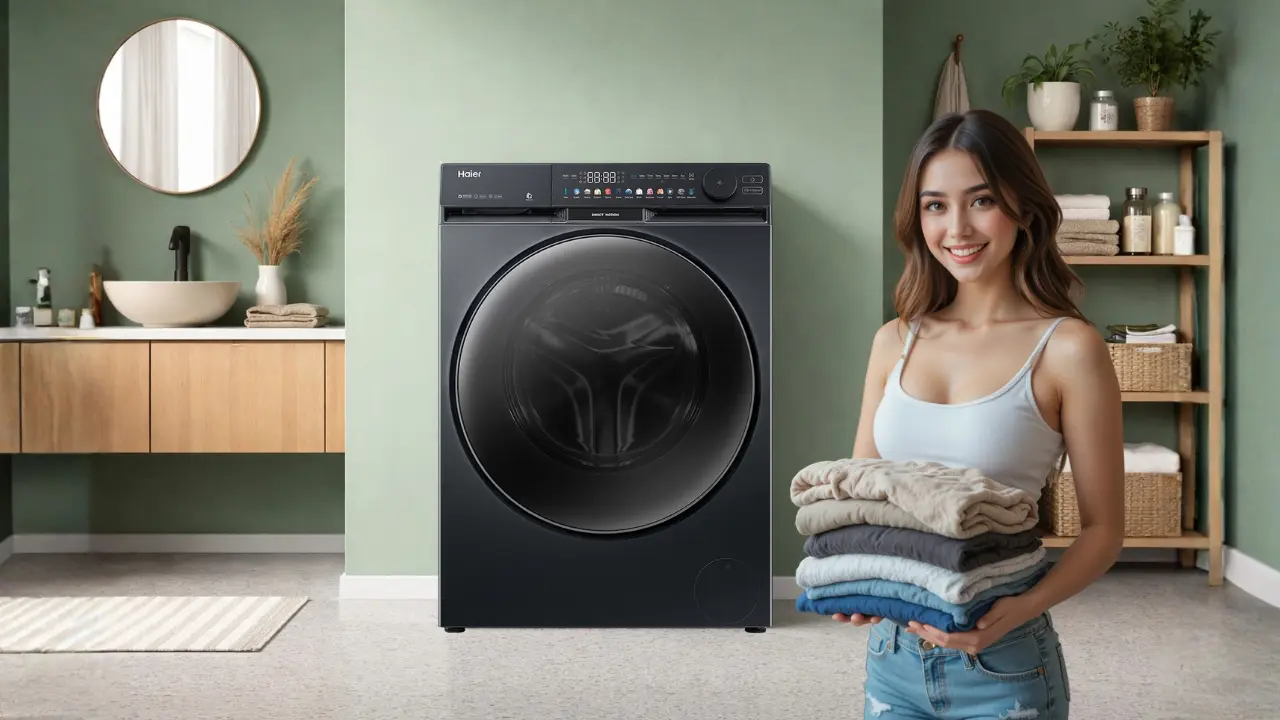

Hygiene that truly works does not stop when the washing machine door opens. It continues in how clothes feel, how they smell hours later, and how safe they remain for skin contact.
In modern Indian homes, hygiene is no longer about clothes that look clean. It is about protection that quietly lasts beyond the wash cycle.
Why “clean” no longer feels complete.
Picture a familiar scene.
Laundry is done. Clothes are folded. Everything looks right.
But later in the day, the towel carries a faint damp smell. The gym t-shirt feels coarse. The baby’s bedsheet looks clean but does not feel comforting.
This is not imagination. It is an experience.
Visual cleanliness is not the same as lasting hygiene.
What lingers is moisture, detergent residue, fabric stress, and microscopic bacteria that return after the wash. And once you notice it, you cannot unnotice it.
The wash was never the finish line. It was only the beginning.
The system behind every wash
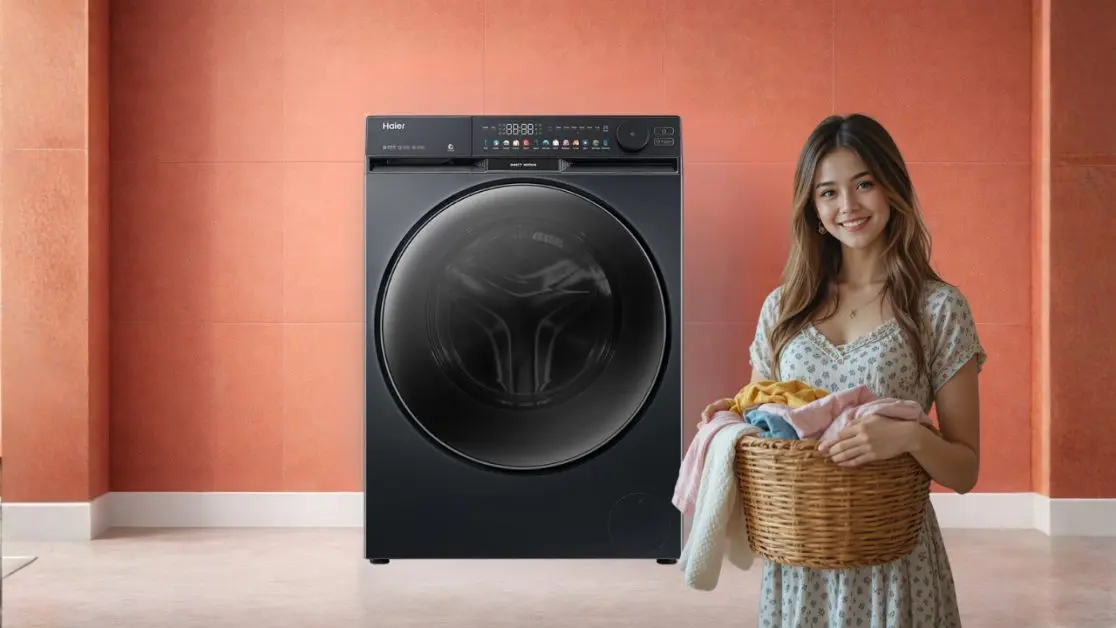
Laundry is not an action. It is a system.
Clothes go in.
Water, detergent, temperature, and motion interact.
Clothes come out.
But systems behave predictably. If residue remains, bacteria return. If moisture stays trapped, odour develops. If fabric fibres weaken, dirt clings faster next time.
A machine can only clean as well as the system it creates.
This is where modern hygiene is being redefined.
What hygiene after the wash actually means
Let us be precise.
Hygiene that continues after the wash shows up in outcomes, not claims.
- Clothes stay fresh even after hours of wear
- Towels dry without turning musty
- Baby clothes feel gentle and reassuring
- Sensitive skin reacts less
- Fabrics hold shape and softness longer
This kind of hygiene reduces rewashing, saves water, and protects garments. More importantly, it removes anxiety from everyday routines.
Three moments where hygiene either survives or fails

1. Inside the machine, not just on the clothes
Most households clean clothes regularly. Very few clean the machine with the same discipline.
Moisture trapped inside the drum creates the perfect environment for bacteria and mold, especially in front-load machines that stay sealed between cycles.
This is why dedicated drum hygiene matters.
Modern washing machines now include self-clean and hygienic wash programs that use controlled high temperatures to flush out detergent residue and microbial buildup from inside the drum itself.
The 10 Kg Fully Automatic Front Load Washing Machine (HW100-DM14F9BKU1) includes a Self Clean program designed specifically to keep the drum hygienic between washes. This ensures that every new load starts in a cleaner environment.
When the machine stays clean, hygiene has a fighting chance.
2. Fabric care that protects, not punishes
Traditional thinking equates stronger washing with better hygiene.
In reality, aggressive agitation damages fabric fibres. Damaged fibres trap moisture and dirt more easily, making clothes unhygienic faster.
Modern hygiene is gentler and more precise.
Drum design, balanced rotation, and controlled motor movement reduce unnecessary friction while improving rinse efficiency. This allows detergent to wash out completely without stressing the fabric.
Both the Haier 10 Kg Fully Automatic Front Load Washing Machine (HW100-DM14F9BKU1) and the Haier 12 Kg F9 Front Load Washing Machine (HW120-DM14F9BKU1) use a pillow-shaped drum design combined with a Direct Motion Motor. This setup reduces vibration, improves fabric contact with water, and protects garment structure.
Healthy fabric resists bacteria better than worn fabric.
3. Moisture management after the cycle ends
The wash ends. Hygiene does not.
What happens next determines whether clothes stay fresh or degrade quietly.
In Indian homes, humidity accelerates odour formation. Clothes left slightly damp invite bacteria back within hours. Uneven rinsing leaves detergent behind, which irritates skin and attracts moisture.
This is where spin efficiency and steam-based refresh programs change outcomes.
Steam refresh cycles reduce odours and wrinkles without overwashing. High-efficiency spin speeds remove excess moisture, reducing drying time and bacterial rebound.
The 10 Kg Fully Automatic Front Load Washing Machine (HW100-DM14F9BKU1) while both models support spin speeds up to 1400 RPM. The result is clothes that dry faster and stay fresher longer.
Why Indian households feel this problem more
Laundry conditions in India are demanding.
- High humidity across many regions
- Frequent washing due to dust and heat
- Mixed fabric loads including cotton, synthetics, wool, and silk
- Skin sensitivity concerns for children and elders
A wash routine that works elsewhere often fails here.
Post-wash hygiene becomes a real challenge.
It is not about washing harder. It is about managing moisture, residue, and fabric health more intelligently.
Three ways households respond when hygiene does not last
When clothes do not stay fresh, people usually choose one of three paths.
Option one: Wash more often
- Feels safer
- Uses more water and electricity
- Shortens garment lifespan
Option two: Use stronger detergents
- Increases residue
- Triggers skin irritation
- Weakens fabrics
Option three: Let intelligence handle the variables
- Automatic load sensing
- Fabric-specific wash programs
- Hygienic drum maintenance
- Steam refresh instead of rewashing
The third option is the only one that scales without adding effort.
The 12 Kg F9 Front Load Washing Machine (HW120-DM14F9BKU1) features One Touch AI Wash, which automatically adjusts water level, temperature, and cycle time based on fabric type and dirt level.
Good systems remove guesswork.
Why hygiene is now an emotional choice
Laundry used to be functional.
Today, it is personal.
Parents worry about allergies.
Professionals worry about freshness through long days.
Couples worry about wear and tear on expensive clothing.
Hygiene becomes shorthand for care.
When clothes behave predictably, mornings feel calmer. When towels smell fresh, bathrooms feel cleaner. When laundry stops demanding attention, life feels more in control.
The quiet role of smart features
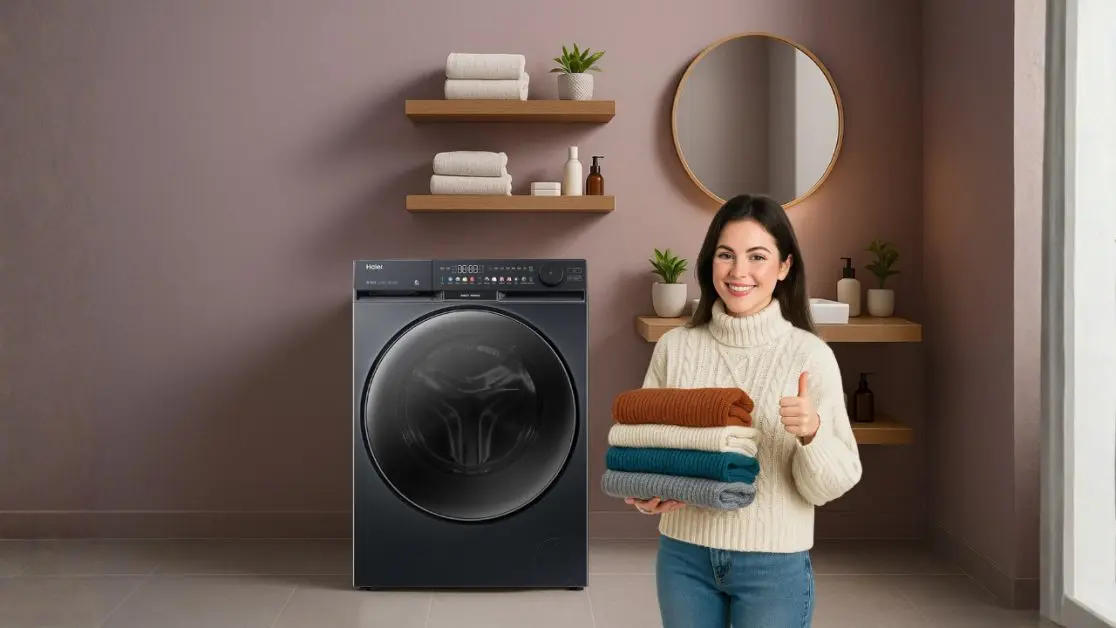
Smart does not mean complex.
It means fewer decisions.
WiFi-enabled controls allow cycle monitoring and timely drum cleaning reminders. Night wash programs support quiet operation without disturbing sleep. Memory functions repeat preferred hygiene settings without constant adjustment.
The 12 Kg F9 Front Load Washing Machine (HW120-DM14F9BKU1) integrates these features to support daily routines rather than interrupt them.
The best technology disappears into the background.
What lasting hygiene really delivers
Not just cleaner clothes.
It delivers:
- Fewer rewashes
- Lower water and power consumption
- Longer garment life
- Reduced skin irritation
- Confidence throughout the day
Hygiene becomes a result, not a task.
The larger pattern worth noticing
Across homes and workplaces, one truth keeps repeating.
One-time effort rarely creates lasting outcomes.
Systems do.
Whether it is work, health, or laundry, the question shifts from “Did this work once?” to “Does this keep working over time?”
Hygiene that continues even after the wash follows the same principle.
Design the system well, and results sustain themselves quietly.
A final thought
The best appliances do not demand attention.
They remove friction.
They make routines smoother, homes calmer, and small decisions disappear.
Hygiene that lasts is not about doing more.
It is about designing better systems.
And when systems work silently in the background, life feels a little more sorted.
That is the real comfort of modern Indian living.
Frequently Asked Questions
What does “drum hygiene” actually mean in daily life?
It means the machine cleans itself using high-temperature self-clean cycles that flush out detergent residue and microbial buildup, so every wash starts in a hygienic environment.
Does stronger agitation really clean clothes better?
No. Aggressive washing damages fibres, making them rougher and more likely to trap moisture and dirt next time, reducing long-term hygiene.
Why do front-load machines smell faster than top-load ones?
Front-loaders seal tightly, trapping moisture between cycles. Without self-clean programs or regular airing, odour builds up faster.
How does gentle washing improve hygiene?
Balanced drum movement and controlled rotation remove detergent thoroughly without tearing fibres, keeping fabrics smoother, drier, and less bacteria-friendly.
How does higher spin speed actually help hygiene?
Higher RPM removes more water, shortening drying time and cutting off bacteria’s growth window before it begins.
What does “AI wash” really do for hygiene?
It removes guesswork. Sensors adjust water, temperature, and time based on load and fabric, preventing overwashing and residue buildup.