
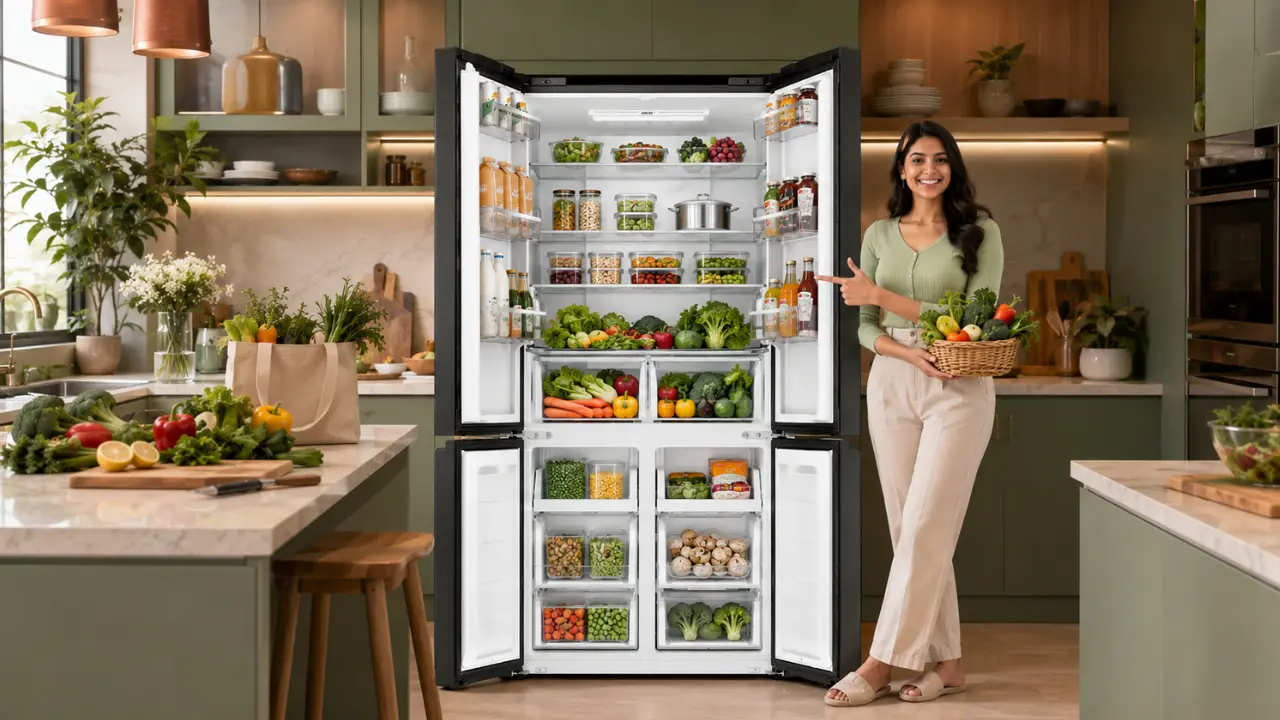

You buy fresh vegetables with the best intentions.
Spinach for tomorrow’s lunch. Coriander for the weekend. A bag of beans, some tomatoes, carrots, possibly a cauliflower, which seemed very fresh from the market. After this, life gets busy. It takes a couple of days before this happens. Then, when you go to the refrigerator, you notice that the leafy greens have wilted, cucumbers feel mushy and herbs have wilted.
The majority of people point fingers at the vegetables.
However, often their true cause is that they are stored in a particular way.
With the proper refrigerator temperatures and organization, a significant difference can be noted in freshness, texture and everyday convenience. The value of a well-designed refrigerator is in making it possible for fresh food to stay at its best, not in making promises it can’t keep.
How important refrigerator settings are and why
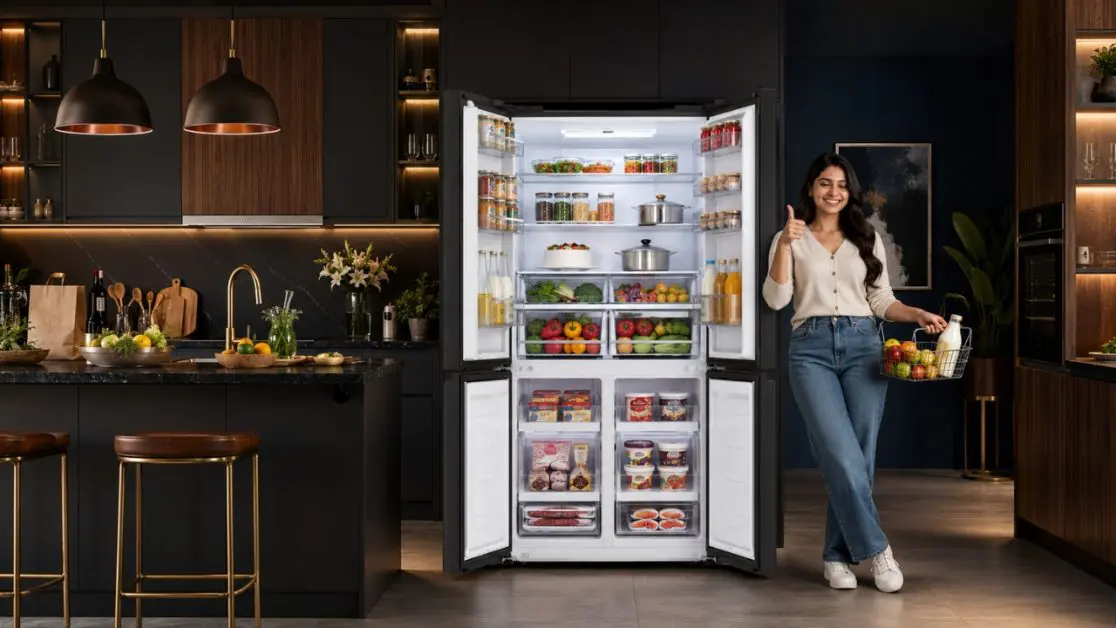
Vegetables are “alive” after they are cut. They remain in a state of moisture loss, temperature sensitivity and gradual aging, throughout storage.
Some vegetables may experience cold damage if the refrigerator is too cold.
If it’s too warm, they tend to spoil faster.
Then there’s airflow. Too much direct cold air can dry leafy vegetables, while poor circulation may encourage moisture build-up.
The ideal storage environment is really a balance of several factors:
- Stable cooling
- Consistent humidity
- Clean air inside the compartment
- Proper organisation
- Minimal temperature fluctuations
When these work together, vegetables generally retain their freshness for longer.
Common Vegetable Storage Mistakes
Before changing refrigerator settings, it’s worth checking everyday habits.
Many households unknowingly make small mistakes that affect freshness.
Some of the most common ones include:
| Storage Mistake | Possible Impact |
| Overfilling vegetable drawers | Restricted airflow |
| Leaving vegetables uncovered | Faster moisture loss |
| Mixing fruits and vegetables randomly | Certain fruits release ethylene gas, speeding up ripening |
| Frequently leaving the refrigerator door open | Temperature instability |
| Blocking internal air vents | Uneven cooling |
Individually these seem minor.
Together? They can noticeably shorten the life of fresh produce.
The Best Refrigerator Settings for Vegetables
Instead of looking for one “perfect” temperature, think about creating a stable environment.
1. Keep Cooling Consistent
Frequent temperature swings can affect vegetable freshness more than a consistently cool environment.
Avoid repeatedly changing cooling levels unless genuinely required.
Consistency is usually your friend.
2. Use the Dedicated Vegetable Drawer
There’s a reason refrigerators include vegetable compartments.
These sections are designed to provide a more suitable storage environment than the main shelves.
They also help:
- Reduce unnecessary moisture loss
- Organise different vegetables neatly
- Protect delicate leafy produce
- Minimise exposure to warmer air whenever the door opens
3. Don’t Overcrowd the Drawer
It’s tempting to fit everything into one compartment.
But vegetables also need room for cool air to circulate.
A tightly packed drawer may create uneven cooling, especially around the centre.
Instead:
- Arrange vegetables loosely
- Keep heavier items at the bottom
- Avoid pressing leafy greens under larger vegetables
Sometimes, less really is more.
4. Store Similar Vegetables Together
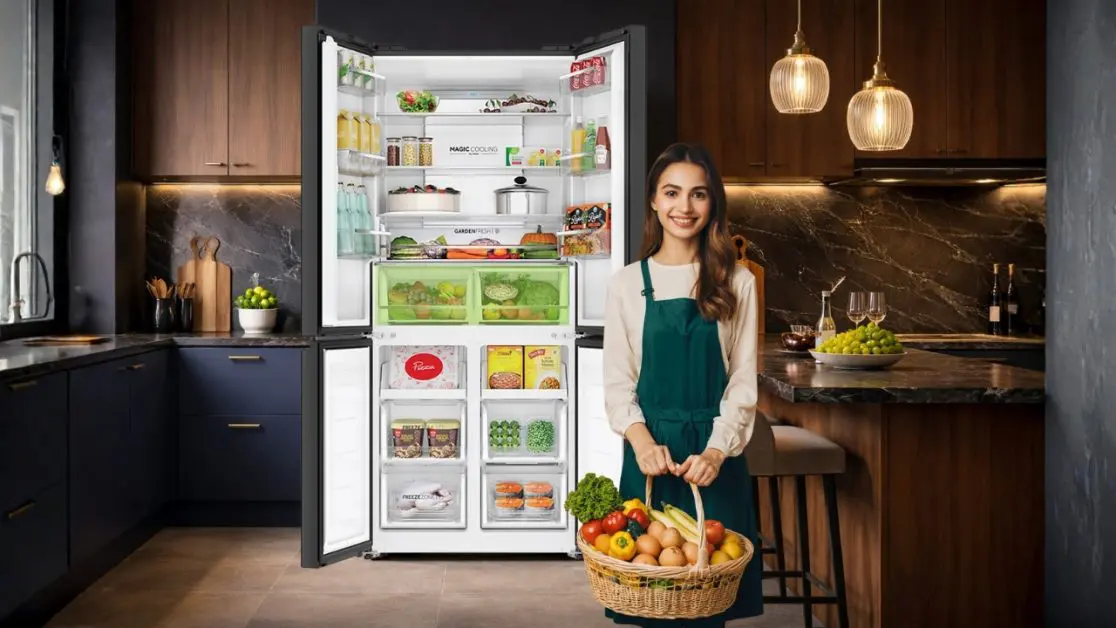
Grouping vegetables makes storage more practical.
For example:
Leafy vegetables
- Spinach
- Coriander
- Lettuce
- Fenugreek
These generally benefit from slightly higher humidity.
Firm vegetables
- Carrots
- Beetroot
- Radish
These typically store well in dedicated vegetable compartments.
Moisture-sensitive vegetables
- Capsicum
- Beans
- Broccoli
Store them without overcrowding to allow better airflow.
Simple organisation also makes meal preparation easier because everything is easier to find.
Small Everyday Habits That Help
Freshness isn’t only about technology.
Daily habits matter too.
Try these simple practices:
- Remove damaged leaves before refrigerating.
- Store vegetables only after excess surface moisture has dried.
- Avoid washing all vegetables immediately unless you’re planning to use them soon.
- Rotate older vegetables towards the front.
- Use transparent storage containers where practical.
These habits reduce unnecessary waste and help you use groceries more efficiently.
Why Clean Air Inside the Refrigerator Makes a Difference
There’s one additional aspect that most individuals don’t consider.
Odours.
The strong odor of food can seep in over time, particularly when several foods are placed in the same compartment.
Although odours may not ruin vegetables, a cleaner refrigerator area can help your refrigerator to be a more pleasant item to store food in.
This is where refrigerator technologies that control the internal freshness are useful.
A Refrigerator Designed Around Fresh Food Storage
Today’s Indian homes tend to shop for food at larger intervals, either for their weekly grocery runs at the supermarket or for their shopping trips in the local vegetable market.
So, flexibility in storage becomes more important.
The Haier Lumiere 520L 4-Door French Door Refrigerator has been crafted to accommodate new storage requirements, combining functionality with design considerations.
Some highlights include:
Convertible Fridge Space
Storage needs don’t typically remain constant.
Additional refrigerator space is needed for vegetables, fruits, beverages and leftovers some weeks.
Special events and family occasions may require different freezer needs.
Option for convertible added flexibility so storage can adjust to meet the needs of the household.
Deo Fresh Technology
Fresh vegetables need a sanitary storage area.
The refrigerator incorporates Deo Fresh Technology which draws away odours and impurities and helps to keep the refrigerator compartment fresh.
Spacious Storage for Weekly Grocery Shopping
Indian families often purchase vegetables for several days at a time.
The generous refrigerator section makes it easier to organise:
- Leafy greens
- Seasonal vegetables
- Fruits
- Dairy products
- Homemade food
- Beverages
Better organisation also means less time searching through crowded shelves.
Adjustable Toughened Glass Shelves

Not every grocery trip looks the same.
Some days it’s only vegetables.
Other times there are tall bottles, large serving bowls, or heavy cookware that also needs refrigeration.
Adjustable spill-proof toughened glass shelves provide flexibility to arrange storage more efficiently for changing household needs.
95° Anti-Tipping Design
Daily convenience often comes from thoughtful details.
The 95° anti-tipping design, along with adjustable door storage, helps organise bottles, jars and frequently used items while making efficient use of available space.
A Quick Vegetable Storage Checklist
Before closing the refrigerator door, ask yourself:
- Have I used the vegetable drawer?
- Are vegetables arranged without overcrowding?
- Have leafy greens been separated from heavier vegetables?
- Is airflow inside the refrigerator unobstructed?
- Are older vegetables placed where they’ll be used first?
These small checks take less than a minute but can help improve everyday food storage.
Final Thoughts
Fresh vegetables must be more than just stored in the refrigerator and forgotten about.
Maintaining a stable cooling area, being organized in the storage system, having clean internal conditions and having good daily habits all help keep food fresher longer. Refrigerators are as important as the user in good storage practice.
The Haier Lumiere 520L French Door Refrigerator, built for a modern Indian kitchen and the daily grocery needs, is engineered to offer ample storage space and convenient options like convertible fridge space, Deo Fresh Technology, adjustable shelves and a spacious four-door design.
Frequently Asked Questions
What is the best refrigerator setting for storing vegetables?
The ideal setting is one that provides stable, consistent cooling rather than frequent temperature changes. Different vegetables have different storage needs, but maintaining an even refrigerator temperature and using the dedicated vegetable drawer generally helps preserve freshness.
Which compartment should I use for vegetables?
Most refrigerators include a dedicated vegetable or crisper drawer. This compartment is designed to provide a more suitable environment for fresh produce by reducing moisture loss and protecting vegetables from frequent temperature changes when the door is opened.
Why do my vegetables spoil quickly in the refrigerator?
Vegetables may spoil sooner because of temperature fluctuations, overcrowded storage, blocked air circulation, excess moisture, or storing fruits that release ethylene gas alongside sensitive vegetables.
Should I wash vegetables before refrigerating them?
In most cases, it’s better to refrigerate vegetables after any excess surface moisture has dried. Washing everything immediately before storage can leave additional moisture on the produce, which may encourage spoilage. Wash vegetables just before use unless the packaging or food-safety guidance recommends otherwise.
Why do leafy vegetables wilt in the refrigerator?
Leafy vegetables naturally lose moisture over time. Direct cold air, overcrowding, frequent door opening, and improper storage can speed up wilting.
Should leafy vegetables and root vegetables be stored together?
It is generally better to group similar vegetables together. Leafy greens, root vegetables, and moisture-sensitive vegetables often have different storage characteristics, making organisation easier and helping maintain freshness.