
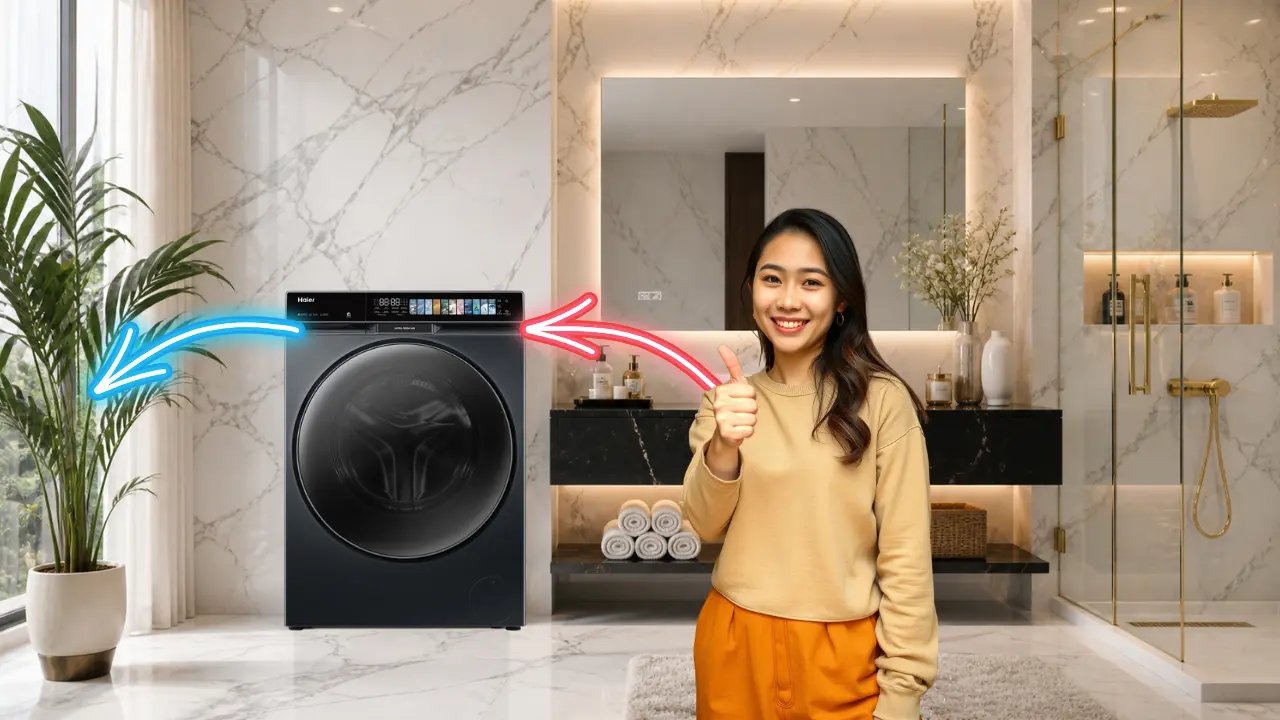

Fresh air technology in washing machines keeps clothes fresh, hygienic, and odor-free even after the wash cycle ends.
It uses continuous airflow inside the drum to prevent moisture buildup, reduce bacteria growth, and protect fabric quality. The result is simple: cleaner clothes that stay fresh longer, without extra effort.
Why do clothes smell even after washing?
It is 9:30 pm.
The washing machine beeps. The cycle is done.
But dinner is still on the stove. A call comes in. Someone forgets to take the clothes out.
Two hours later, the drum opens.
And something feels off.
Not dirty. But not fresh either.
Washing cleans clothes. It does not guarantee freshness.
The real problem is not dirt. It is trapped air.
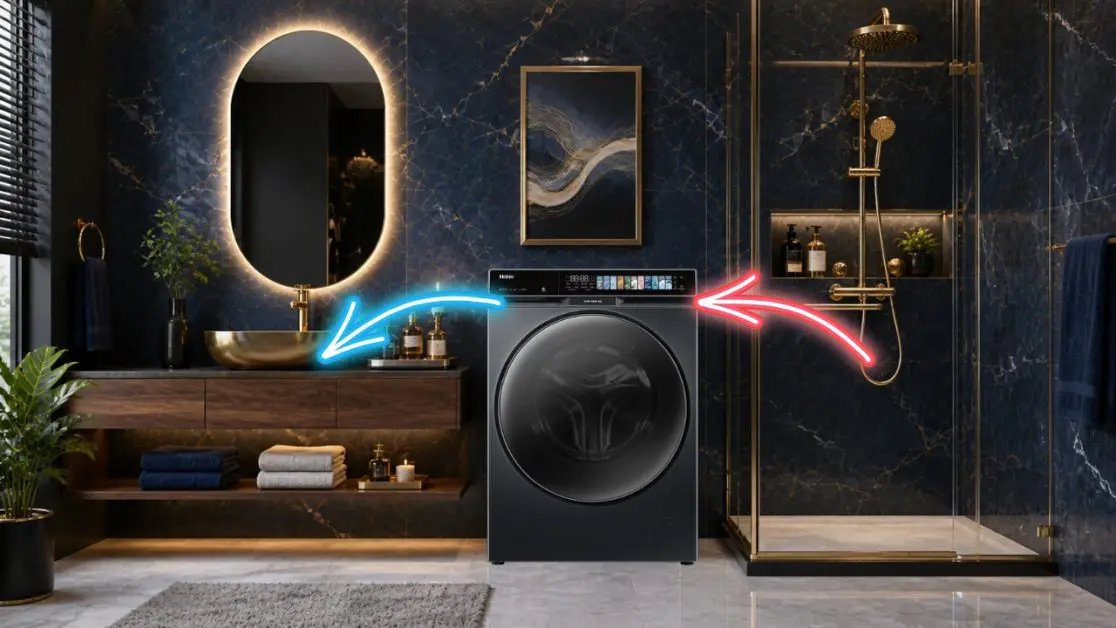
Traditional washing systems focus on one job.
Remove stains.
But they ignore what happens after the wash ends.
Here is what typically happens inside a washing machine:
- Moisture remains trapped inside the drum
- Warm conditions accelerate bacterial growth
- Odours begin forming within hours
- Fabrics absorb that stale smell again
This is not a cleaning problem.
It is a post-wash environment problem.
What is Fresh Air Technology in washing machines?
Fresh Air Technology solves a very specific gap.
It manages the environment after washing.
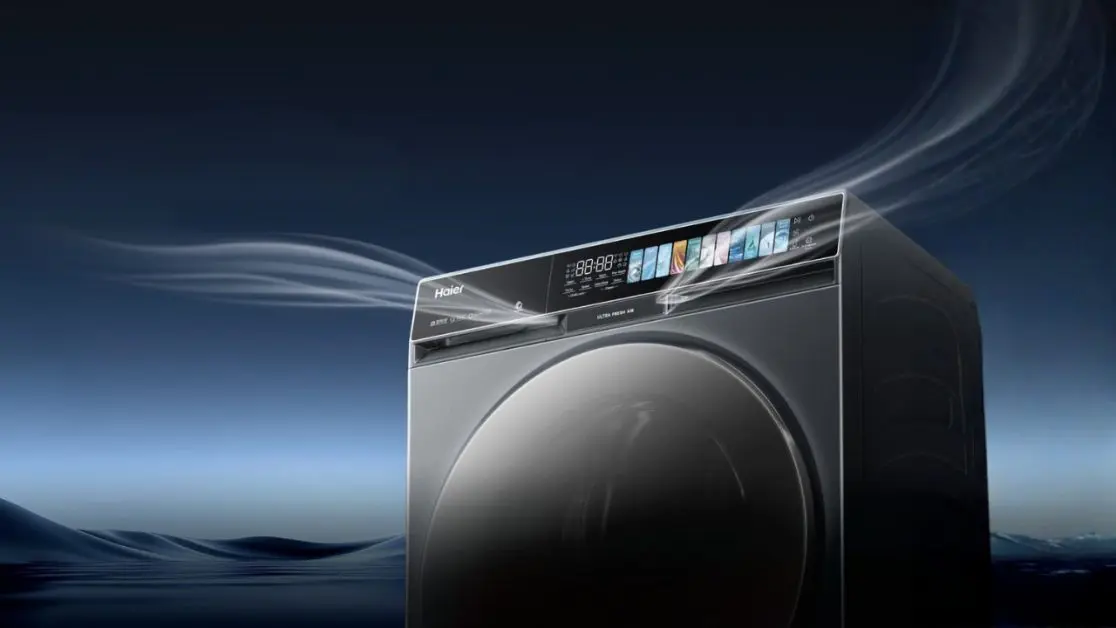
In models like the Haier 12 Kg F11 Front Load Washer Washing Machine (HW120-DM14F11BKU1) and the Haier 12 Kg F11 Front Load Washer & Dryer Washing Machine (HWD120-DM14F11BKU1), this system uses 360° micro-pressure airflow to circulate fresh air inside the drum.
Here is how it works:
- The drum refreshes air every 2 minutes
- Continuous airflow runs for up to 12 hours
- Moisture does not settle on fabrics
- Odour-causing bacteria cannot build up
The outcome is clear.
Clothes remain fresh long after the wash cycle ends
Freshness is not a moment. It is a system.
We assume freshness happens during washing.
It doesn’t.
Freshness is maintained over time.
Think of a closed room.
No airflow. It feels stale.
Open a window. Everything changes.
Fresh Air Technology does the same inside your washing machine.
What changes in your daily routine?
Let’s make this practical.
What does Fresh Air Technology actually change?
1. You stop racing against the washing machine
One option is urgency.
You wait for the cycle to end. You remove clothes immediately.
The second option is flexibility.
You let the machine maintain freshness for you.
Cost vs Benefit:
- Urgency demands attention
- Flexibility gives you control over your time
Fresh Air Technology shifts you to flexibility.
2. You reduce rewashing
Most rewashing is not about dirt.
It is about smell.
With continuous airflow:
- Odours are prevented before they form
- Clothes do not turn musty
- Repeat cycles drop significantly
Insight:
Rewashing is a symptom. Poor post-wash airflow is the cause.
3. Hygiene improves in humid conditions
Indian weather plays a role.
In cities with high humidity:
- Moisture lingers longer
- Bacteria grows faster
- Fabrics feel damp even after washing
Fresh Air Technology directly addresses this:
- Air circulation reduces dampness
- Hygiene levels improve
- Clothes stay skin-friendly
Fresh Air Technology vs Traditional Washing
Here is the difference that builds over time:
| Feature | Traditional Washing | Fresh Air Technology |
| Post-wash freshness | Depends on immediate removal | Maintained automatically |
| Odour control | Manual | Continuous airflow |
| Hygiene | Moderate | High |
| Rewash frequency | Higher | Lower |
| Fabric care | Basic | Enhanced |
The shift is subtle. The impact is daily.
Why this matters more for modern homes
Laundry is no longer a single-task activity.
It sits inside a busy life:
- Work calls that stretch
- Late-night wash cycles
- Weekend bulk laundry
- Compact urban homes
The system around laundry has evolved.
Machines now need to adapt to real schedules.
Fresh Air Technology does exactly that.
The hidden cost of ignoring freshness
Let’s look at the trade-off clearly.
Without Fresh Air Technology:
- More rewashing
- Higher electricity and water usage
- Faster fabric wear
- More time spent managing laundry
With Fresh Air Technology:
- Fewer repeat cycles
- Lower utility consumption
- Longer fabric life
- Less mental load
Laundry shifts from active work to passive convenience.
How it fits into smarter living
Smart homes are not about complexity.
They are about removing friction.
Fresh Air Technology removes one small but constant decision:
“Should I take the clothes out right now?”
That question disappears.
Where Haier fits into this shift
Haier’s approach is simple.
Do not just automate washing.
Extend care beyond the wash cycle.
That is where models like:
- Haier 12 Kg F11 Front Load Washer Washing Machine (HW120-DM14F11BKU1)
- Haier 12 Kg F11 Front Load Washer & Dryer Washing Machine (HWD120-DM14F11BKU1)
stand out.
With airflow refresh cycles running every 2 minutes for up to 12 hours, freshness becomes built into the system itself
This is not an extra feature.
It is a missing layer, now solved.
Three ways to think about laundry today
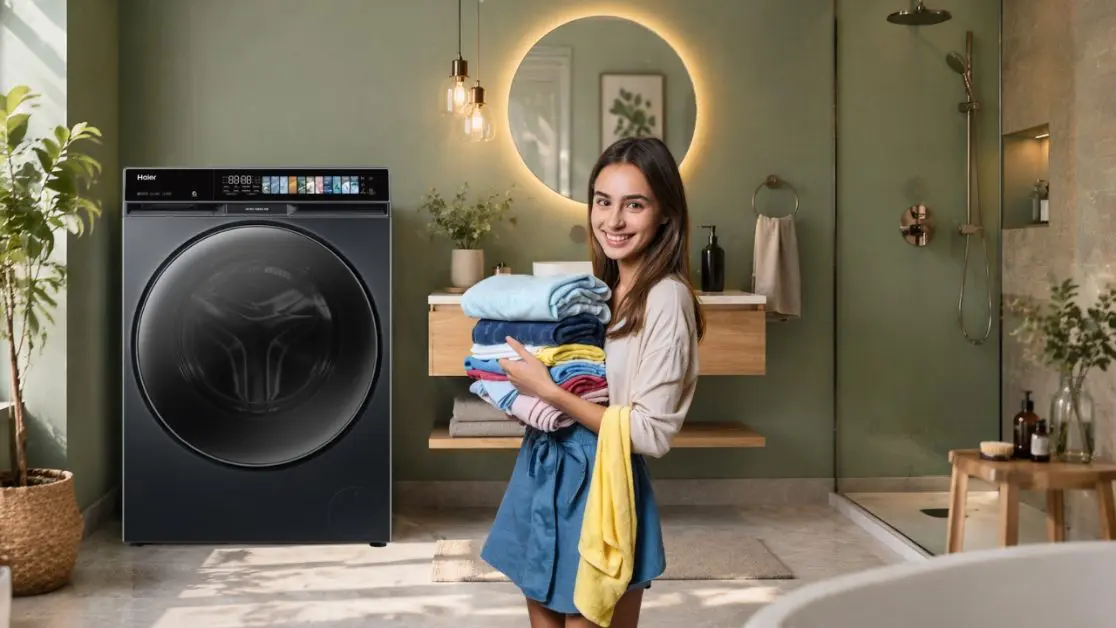
There are three clear approaches.
1. Manual control
- Immediate removal required
- Active monitoring
- Higher effort
Best for control-driven routines.
2. Standard automation
- Pre-set wash cycles
- Basic convenience
- Limited post-wash care
Works for predictable schedules.
3. Intelligent freshness systems
- Automated washing
- Continuous airflow
- Post-wash freshness maintained
Built for modern lifestyles.
The shift is clear.
From cleaning clothes
To managing outcomes
The bigger idea: appliances that think beyond the cycle
Most machines stop when the job is done.
The cycle ends. The system shuts down.
But life does not follow clean cycles.
There are delays. Interruptions. Overlaps.
Fresh Air Technology acknowledges that.
It continues working after the visible work is done.
A simple insight worth remembering
Clean clothes are not the goal. Fresh clothes are.
Cleaning is a step.
Freshness is the outcome.
So what should you look for next time?
If you are choosing a washing machine, ask better questions:
- Does it maintain freshness after washing?
- Does it reduce the need for rewashing?
- Does it adapt to real-life delays?
Features matter.
But systems matter more.
Final thought: convenience is not about speed. It is about freedom
Speed saves minutes.
Systems save attention.
Fresh Air Technology is not about faster washing.
It is about worry-free laundry.
And that is what modern homes quietly move toward.
Frequently Asked Questions
I often forget to take my laundry out on time. Do I really need to worry about it?
Yes, but not in the way you think. The issue isn’t dirt, it’s trapped moisture and air. When clothes sit in a closed drum, they quickly develop a stale smell. Fresh Air Technology removes that pressure by maintaining airflow, so you don’t have to rush.
Do I need to plan my day around my washing machine cycle?
With traditional machines, yes. You’re expected to act immediately after the cycle ends. But with airflow-based systems, the machine adapts to your schedule, not the other way around.
Is Fresh Air Technology actually saving me time, or just adding another feature?
It saves mental time. You don’t have to monitor cycles, rush to unload, or rewash forgotten loads. That reduces daily friction more than just faster washing ever could.
What exactly is Fresh Air Technology in washing machines?
It’s a system that circulates fresh air inside the drum after washing. This prevents moisture buildup, reduces bacterial growth, and keeps clothes fresh for hours.
How long does the airflow run after the wash cycle?
In advanced models, airflow refreshes every couple of minutes and can continue for up to 12 hours, maintaining freshness without manual intervention.
Is this feature only useful if I forget my laundry?
No. Even short delays can cause odor buildup. This system ensures freshness regardless of whether you unload immediately or later.
How can I tell if my washing machine is causing the smell?
If clothes smell fine immediately after washing but turn musty later, the issue is the drum environment not the wash cycle.
Is there any workaround if my machine doesn’t have Fresh Air Technology?
You can:
Remove clothes immediately after washing
Leave the door open for ventilation
Run an extra spin or dry cycle
But these require manual effort and consistency.