


The refrigerator has arrived, the kitchen looks ready, and everything seems perfect. Until you notice one small problem. The nearest electrical socket is just a little too far away.
An extension board sitting in the kitchen drawer suddenly looks like an easy solution. Plug it in, switch it on, and the problem is solved. Or is it?
Many Indian households use extension boards for everyday appliances, from phone chargers to televisions. However, refrigerators operate differently. Their compressors require electricity to maintain cooling, and the electrical load changes when the compressor starts.
So, can you plug a refrigerator into an extension board?
The short answer is that you shouldn’t. A refrigerator should ideally connect directly to a properly earthed wall socket that meets its electrical requirements. Using an ordinary extension board introduces risks that aren’t always immediately visible.
Here’s what refrigerator owners should understand before making that connection.
Why Is Plugging a Refrigerator Into an Extension Board Risky?
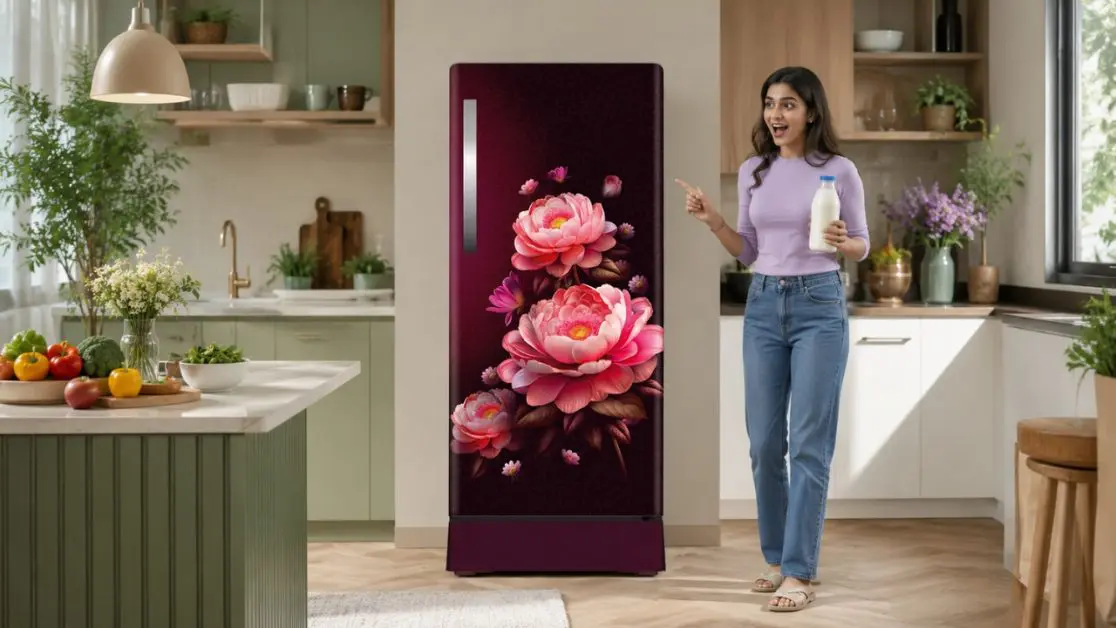
An extension board might work perfectly well with a mobile charger or table lamp. A refrigerator, however, places different demands on the electrical connection.
1. The Compressor Needs Additional Power During Startup
A refrigerator’s compressor doesn’t draw exactly the same amount of current throughout its operation.
When the compressor starts, it can briefly require considerably more current than during normal running. This is called starting current or inrush current.
An unsuitable extension board may struggle with that sudden demand.
Depending on the quality and electrical rating of the extension board, this can lead to:
- Heating around the plug or socket connections
- Voltage drops during compressor startup
- Damage to poorly constructed electrical contacts
- Increased fire risk if connections become excessively hot
The concern isn’t simply whether the extension board can switch on the refrigerator. It’s whether the entire electrical connection can safely handle its operating requirements over time.
2. Loose Connections Can Generate Heat
Here’s something homeowners occasionally overlook.
An extension board can appear perfectly functional even when its internal contacts have become loose or worn.
Electrical resistance increases at poor connections, potentially generating heat.
A refrigerator may remain connected to the same power source throughout the day and night. That makes a deteriorating connection particularly concerning.
If you notice discolouration, a burning smell, crackling sounds or unusual warmth around a plug, stop using the connection and have it inspected by a qualified electrician.
3. Overloading Becomes Easier
Picture a typical kitchen extension board.
The refrigerator occupies one socket. Someone connects a mixer grinder to another. Perhaps an electric kettle joins the arrangement during breakfast.
The combined electrical demand can exceed the extension board’s rated capacity.
Even when individual appliances appear compatible, their simultaneous operation may overload the board.
A refrigerator should not share an extension board with other appliances, particularly high-power kitchen equipment.
Can an Extension Board Damage a Refrigerator’s Compressor?
Not every extension board will immediately damage a refrigerator. However, an unsuitable or faulty connection can contribute to electrical conditions that affect its operation.
For instance, excessive voltage drops may prevent the compressor from starting correctly. Repeated unsuccessful starting attempts can place additional stress on electrical components.
Modern refrigerators may incorporate protective features, but those features shouldn’t be treated as permission to use unsafe wiring.
What About Heavy-Duty Extension Boards?
Heavy-duty extension boards are designed for higher electrical loads than ordinary household models.
Still, a higher rating doesn’t automatically make an extension board suitable for refrigerator use.
Several factors matter:
- The refrigerator’s rated voltage and current
- The extension board’s certified electrical capacity
- Proper earthing and plug compatibility
- Cable length and conductor quality
- Manufacturer instructions regarding electrical connections
Unless the refrigerator manufacturer specifically permits a suitable extension arrangement, direct wall-socket installation remains the recommended choice.
An electrician can help install an appropriately rated socket closer to the refrigerator rather than relying on temporary wiring.
What Is the Safest Way to Connect a Refrigerator at Home?

A refrigerator needs more than a conveniently located socket. The electrical connection should be suitable for continuous appliance operation.
Before installing a new refrigerator, consider the following precautions.
Use a Properly Earthed Wall Socket
Connect the refrigerator directly to a correctly installed, properly earthed socket with the required voltage and current rating.
Avoid loose sockets, damaged plugs and makeshift adapters.
Check the Electrical Specifications
Every refrigerator has electrical requirements specified by its manufacturer.
For example, the Haier 190L 5 Star Red Hilton Single Door Refrigerator (HRD-2115PRHA-N) lists an operating voltage of 220–240V.
Homeowners should check the specifications of their particular refrigerator rather than assuming that every model has identical electrical requirements.
Keep the Socket Accessible
Position the socket where the refrigerator’s original power cord can reach without stretching.
The socket should remain accessible for safe disconnection when necessary.
Avoid routing the power cord beneath the refrigerator, behind sharp cabinet edges or through areas where it might become trapped.
Get Professional Assistance When Necessary
If the nearest socket is too far away, installing another socket is generally safer than depending on an extension board permanently.
A qualified electrician can assess the existing wiring, earthing and electrical protection before making changes.
Do Stabiliser-Free Refrigerators Still Need a Direct Wall Connection?
Yes.
This distinction matters because stabiliser-free operation and electrical connection safety are two separate considerations.
A refrigerator with stabiliser-free operation is designed to accommodate specified voltage fluctuations without requiring a separate stabiliser under the manufacturer’s stated operating conditions.
It doesn’t mean the appliance can safely operate through any extension board.
For instance, selected Haier single-door refrigerators feature stabiliser-free operation, including:
- Haier 190L 5 Star Red Hilton Single Door Refrigerator
- Haier 190L 5 Star Marine Hilton Single Door Refrigerator
- Haier 190L Wave Glass Single Door Refrigerator
These models also support operation with a compatible home inverter, according to their listed product features.
However, neither stabiliser-free operation nor home inverter compatibility removes the need for proper wiring and safe electrical connections.
How Do Haier Refrigerators Address Everyday Indian Household Needs?

Indian kitchens come with their own practical considerations.
Space can be limited, summer temperatures can be demanding, and occasional power interruptions remain a concern in some locations.
A refrigerator must fit comfortably into these conditions while supporting everyday food storage.
Haier India’s 190L single-door refrigerator range offers several features worth considering when choosing an appliance for a compact kitchen.
Haier 190L 5 Star Red Hilton Single Door Refrigerator
The Haier HRD-2115PRHA-N combines a 190-litre capacity with a distinctive Red Hilton floral finish.
Its listed features include:
- 5-star energy rating
- 1 Hour Icing Technology for fast ice making
- Stabiliser-free operation
- Home inverter compatibility
- Safe & Clean Back design
- Separate vegetable storage
- Additional base drawer
The covered rear panel makes cleaning more convenient, while the separate vegetable compartment helps organise everyday groceries.
The additional base drawer provides storage outside the refrigerated compartment.
For households seeking a compact refrigerator with practical storage features, this model is worth exploring.
Haier 190L 5 Star Marine Hilton Single Door Refrigerator
Prefer a different kitchen aesthetic?
The Haier HRD-2115PMHA-N features a Marine Hilton finish with a 190-litre capacity and 5-star energy rating.
Its features include 1 Hour Icing Technology, stabiliser-free operation, home inverter compatibility and a covered back panel.
The additional base drawer offers convenient storage for items that don’t require refrigeration.
This model may appeal to households looking for functional everyday cooling with a distinctive exterior design.
Haier 190L Wave Glass Single Door Refrigerator
The Haier HRD-2113PWGA-N brings a Wave Glass finish to the single-door refrigerator category.
Its listed features include:
- 190-litre capacity
- Inverter compressor
- 1 Hour Icing Technology
- Stabiliser-free operation
- Home inverter compatibility
- Toughened glass shelves
- Additional base drawer
The inverter compressor is an important consideration for buyers evaluating different compressor technologies.
However, even an inverter refrigerator requires a safe electrical connection. Compressor technology doesn’t eliminate the risks associated with an unsuitable extension board.
What Should You Check Before Installing a New Refrigerator?
Electrical safety begins before the appliance is switched on.
A few installation checks can help prevent avoidable problems later.
Before Delivery
- Identify a suitable wall socket near the intended installation area.
- Check whether the refrigerator’s dimensions fit the available space.
- Ensure sufficient ventilation clearance according to the manufacturer’s instructions.
- Have damaged or loose electrical fittings repaired.
During Installation
- Confirm that the power cord reaches the socket comfortably.
- Avoid extension boards and multi-plug adapters.
- Check that the plug fits securely.
- Follow the manufacturer’s installation and initial startup instructions.
During Everyday Use
- Keep the power cord away from heat and moisture.
- Never pull the refrigerator away from the wall while its cable is trapped.
- Avoid placing heavy objects on the cord.
- Arrange professional inspection if the socket becomes unusually hot.
These precautions apply whether you’re installing a compact single-door refrigerator or a larger family model.
Give Your Refrigerator the Electrical Connection It Deserves
An extension board may solve an inconvenient socket location, but convenience shouldn’t come at the expense of electrical safety.
A properly installed wall connection helps provide the electrical conditions a refrigerator needs for dependable operation.
When selecting a new appliance, consider its cooling features alongside its electrical specifications and installation requirements.
Haier India’s 190L single-door refrigerators offer options such as stabiliser-free operation, home inverter compatibility and 1 Hour Icing Technology across the models discussed here.
Explore Haier India’s refrigerator range to find a model that suits your kitchen space, storage requirements and everyday household needs. And before switching it on, make sure the electrical connection is ready too.
Frequently Asked Questions
1. Can I use a 16A extension board for my refrigerator?
A 16A rating alone doesn’t establish that an extension board is suitable. Cable quality, earthing, connection condition and manufacturer instructions also matter. Direct connection to a properly rated wall socket is preferable.
2. Can I connect my refrigerator and microwave to the same extension board?
No. Sharing an extension board with a microwave can create a substantial combined electrical load. Both appliances should use appropriately rated electrical connections.
3. Can I use an extension board temporarily for my refrigerator?
Temporary use isn’t automatically safe. Unless the manufacturer expressly permits a suitable arrangement, avoid using an extension board and arrange a proper wall connection.
4. Does a stabiliser-free refrigerator need an extension board?
No. Stabiliser-free operation concerns voltage fluctuation tolerance within specified limits. It doesn’t change the recommendation to use a suitable wall socket.
5. Can I connect a Haier refrigerator to my home inverter?
Selected Haier refrigerators, including the three 190L models discussed above, support home inverter operation. Compatibility depends on the refrigerator, inverter capacity and installation requirements.
6. What should I do if my refrigerator plug becomes hot?
Switch off the power if it is safe to do so. Avoid touching overheated components, and arrange an inspection by a qualified electrician before using the connection again.