
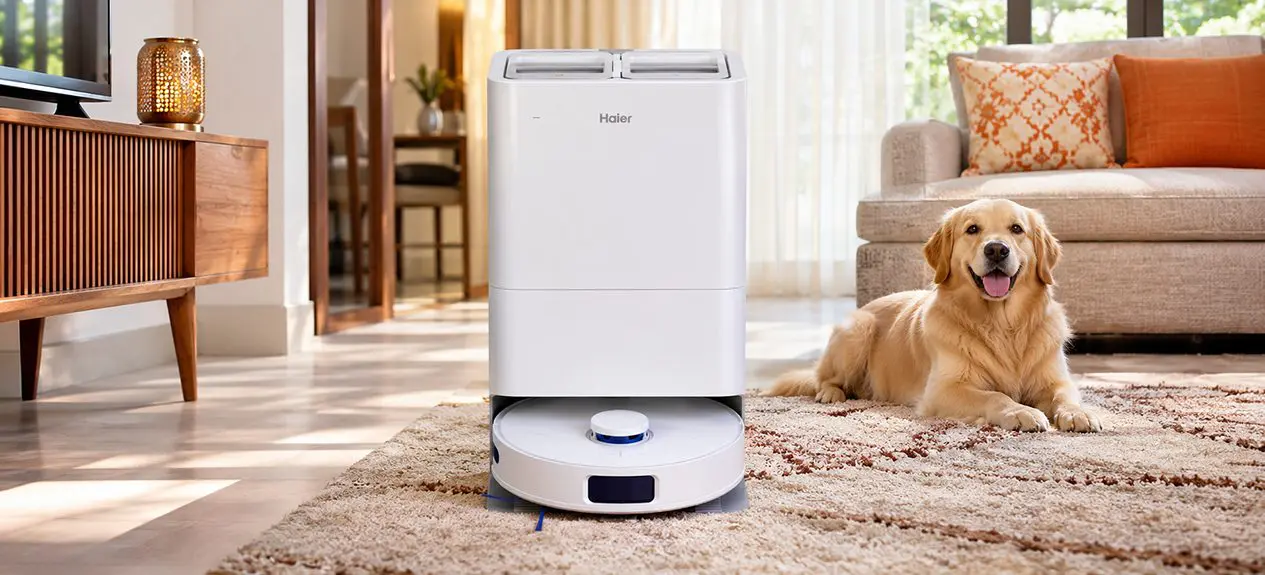

Carpet easily picks up dust and pet hair near furniture, making cleaning floors a common chore. Robot vacuum cleaners are useful for cleaning up all day. But when you have various models with different features and specifications, it can be confusing to choose the right robot vacuum cleaner.
Of these specifications, robot vacuum suction power is one of the first things buyers notice. But the numbers listed for each model might not mean much unless you know how they relate to the cleaning you do each day.
To understand what Pa means in a robot vacuum, you first need to get a better handle on these suction ratings.
What Is Pa in a Robot Vacuum Cleaner?
Pa is the abbreviation for pascal, a unit of pressure. This is the suction pressure created by the vacuum system of a robot vacuum cleaner to suck in dust, dirt and other debris through the cleaning inlet. Robot vacuum cleaners will normally quote their suction power in Pa, and the higher the number, the better it is at creating a pressure differential. A vacuum with a rating of 5000 Pa can produce a greater suction pressure than one with a rating of 2000 Pa, under the same measurement conditions.
But knowing what Pa is in a robot vacuum also means knowing that suction pressure alone does not determine how well it cleans. There are many things that affect how well a vacuum can pick up dirt/hair, for example, the airflow, the design of the brush, the type of floor it is being used on and the cleaning modes. This means two robot vacuums with similar Pa ratings may not do the same job, especially on carpets or when picking up pet hair.
How Much Suction Power Does a Robot Vacuum Need?
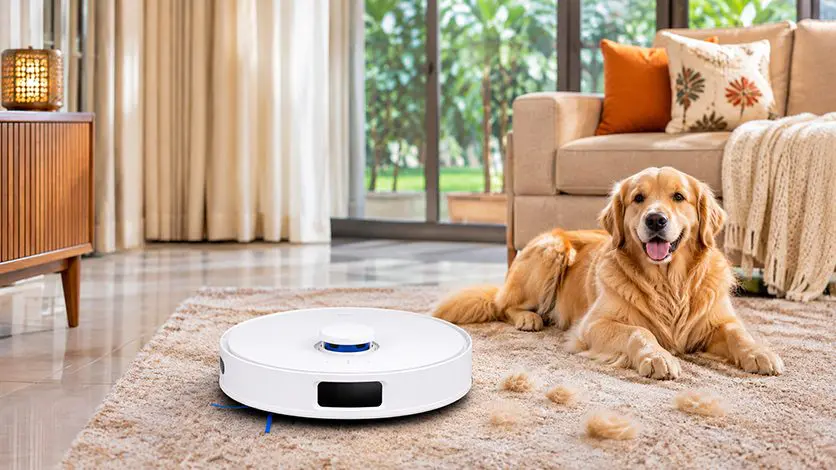
The amount of suction power you need depends on the type of flooring, how much dust is built up and how often you clean. Homes with tiled floors usually have different needs than those with thick carpets or pets.
The following table gives an indicative comparison of suction ratings and their possible applications.
| Suction Power | Suitable Cleaning Requirements |
| 2000 Pa | Everyday dust and light debris on hard floors |
| 4000 Pa | Regular cleaning across tiles and low-pile rugs |
| 5000 Pa | Mixed flooring, moderate debris and pet hair |
| 8000 Pa | More demanding cleaning, including carpets and heavier debris |
NOTE: These ranges are presented as general guidelines, not as guarantees of performance. Different manufacturers may measure suction ratings differently.
How Suction Power Affects Carpet Cleaning
The texture of a carpet and the way it traps debris means that it needs to be cleaned differently than hard floors. Suction power is also important on carpets, but it can be less effective depending on the carpet’s condition, construction and use.
- Lifts light dust from the carpet base. Fine dust can slowly settle to the back of a carpet, particularly in rooms that are used a lot. Adequate suction helps to suck up the loosened particles from these lower layers, although deeply embedded dirt may still require an occasional deep cleaning.
- Managing suction on thick carpeting. Tightly woven carpets can restrict the airflow around the vacuum’s cleaning inlet. So a robot vacuum needs to maintain a good amount of airflow for sucking up dirt, but not so much resistance that it would hinder the movement of the vacuum across the surface.
- Cleaning carpet edges and around furniture. Corners where carpet meets the wall, skirting boards and furniture are prone to collecting dust. Along with the Pa rating, edge-cleaning design is an important consideration, since suction helps gather the debris that the side brushes move toward the cleaning inlet.
- Compromise between suction power and battery drain. The stronger the suction setting, the more power the robot vacuum will consume and the less time it will run. The suction level should be adjusted according to the different carpeted areas, so that the cleaning performance is balanced against the battery capacity for the cleaning cycle.
How Much Suction Power Do You Need for Pet Hair?
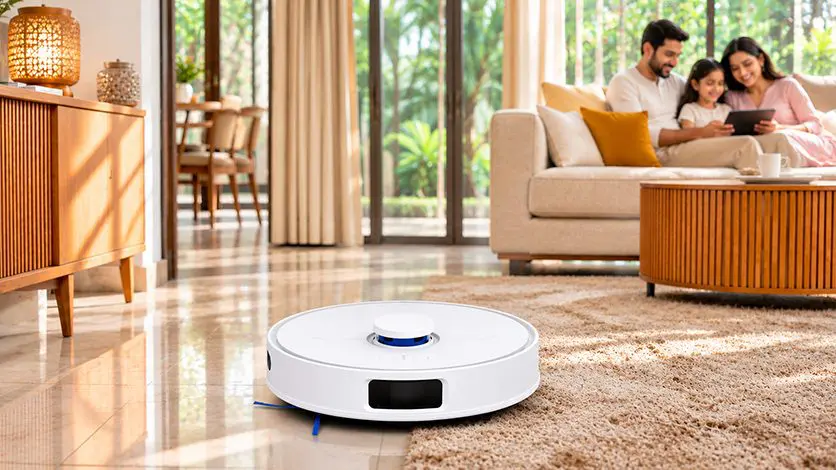
The amount of suction power you’ll need to pick up pet hair depends on how much your pets shed, and what kind of flooring you have in your home. Loose pet hair on tiled or wooden floors tends to sit on the surface, which makes it easier for a robot vacuum to pick up. But hair can get caught in the fibres of carpet and rugs, so you need a good suction and a good brush system in your product. For pet owners, a robot vacuum with suction power of around 5000 Pa can be a practical starting point for routine cleaning, but the ideal requirement could be different.
The best robot vacuum for pet hair isn’t just about how much suction it has; there are other features to consider as well. Anti-tangle brushes can prevent hair from wrapping around the brush roller. A bigger dustbin or automatic dust collection system can make cleanup a little bit easier on a frequent basis. It’s important to keep it clean and to maintain the brush regularly to remove hair. If you have pets that shed a lot, you might want to use the higher suction settings.
Does a Higher Pa Mean More Cleaning?
No. A higher Pa rating means stronger suction pressure, but it doesn’t necessarily mean that in all cases a robot vacuum will suck up more dust or dirt. The cleaning performance is determined by how well the vacuum loosens, collects and stores debris. For example, a vacuum with moderate suction and an efficient brush system may do well on hard floors, whereas a higher-powered model may still struggle if its brushes are clogged or its filters are not properly maintained.
The way a robot vacuum moves around the house also has an effect on the result. Systematic room mapping, obstacle detection and adjustable cleaning modes can help it clean more consistently. It’s better to look at the overall cleaning system when assessing robot vacuum suction power to get a better feel for what the vacuum can handle in everyday use.
What Should You Check Before Choosing a Robot Vacuum?
The power of suction isn’t the only thing to consider when thinking about robot vacuums. Lots of practical features can make a vacuum a lot easier to fit into your day-to-day life.
- Detect and avoid obstacles. The robot vacuum should be able to see and avoid such things as furniture legs, shoes and other things in your home.
- Space around furniture and vacuum size. If you have beds, sofas or cabinets with limited space underneath, be sure to take the robot vacuum’s height and width into account.
- Cleaning schedules and app control. Look for ones that have an app on your phone so you can book sessions, select specific rooms and change settings.
- Noise from operations. Consider the noise a vacuum makes when you are using it, particularly if you work from home or prefer to vacuum at quieter times of the day. The sound level can be affected by the suction mode.
Take a closer look at the role of Robot Vacuum Cleaners in Modern, Smart Homes
Read through: Robot Vacuum Cleaners and Smart Homes: How They Work Together
How Haier Robot Vacuum Cleaners Handle Different Cleaning Needs
At Haier, we know that great floor cleaning doesn’t just depend on suction power. That’s why we combine strong suction, smart navigation, automatic dust collection and convenient cleaning features in our robot vacuum cleaners:
1> Powerful suction for various cleaning needs
We have various suction capacities for different household needs. Our Haier CIVIC X11 and Haier CIVIC X11 PRO have 5000 Pa suction, while our Haier CIVIC AI MAXX is up to 8000 Pa.
2> With Laser Navigation, you can cover floors more systematically
Our robot vacuum cleaners use laser navigation to map the rooms and create organised cleaning routes. The CIVIC X11 supports multiple map memory, convenient for homes with different floor layouts. Our CIVIC AI MAXX uses LDS laser navigation, which helps the vacuum to recognise accessible areas and follow planned routes.
3> Automated dust collection reduces frequent manual emptying
Our CIVIC X11 PRO comes with an auto-empty station that moves collected debris from its 250 ml onboard dustbin to a larger 3.5-litre dust container. This means you don’t need to empty the vacuum after every cleaning session. Our CIVIC AI MAXX also comes with automatic dust collection.
4> CIVIC AI MAXX merges vacuuming with automated mop care
With our Haier CIVIC AI MAXX, we combine sweeping, mopping, automatic dust collection and mop cleaning into a single system. We’ve also packed in a 5200 mAh battery, which promises a runtime of up to 160 minutes and a 45°C warm-air mop-drying function.
Conclusion
Robot vacuums shouldn’t be judged on their Pa ratings. How much suction you’ll need depends on your flooring, carpet depth, pet shedding and how often you clean.
Haier’s robot vacuum cleaners come with varying levels of suction power and smart cleaning features to suit the needs of different families. Browse our range and find the model that’s right for your home.
FAQs
What is a good suction power (Pa) for a robot vacuum?
If you are cleaning your house on a daily basis, you should look for a suction power of around 4000-5000 Pa. It can handle daily dust, crumbs and loose debris on hard floors and low-pile carpets. However, the ability to clean is also a function of the vacuum’s brush design, airflow and ability to handle a variety of surfaces.
How much suction do I need for a robot vacuum?
How much suction power you’ll need depends on what kind of flooring and cleaning you require in your home. Tile and wood floors may not need very high suction, but carpeting, rugs, or pet shedding that occurs often may need stronger suction. Consider various ways of cleaning different surfaces.
Which robot vacuum is best for pet hair?
You want a robot vacuum for pet hair that has enough suction power, a good brush system and is easy to maintain. Anti-tangle brushes are good helpers, especially if you have long-haired pets at home. A bigger dustbin or a way to collect the dust automatically could also help to clean more often.
Is higher Pa better in a robot vacuum?
Not quite. The higher the Pa rating, the more suction pressure it can provide to lift tough debris. But that doesn’t always mean better cleaning. Other factors that affect a robot vacuum’s dust and dirt pickup include brush design, airflow, navigation and cleaning modes.
How many Pa is enough for a home with pets?
If you have pets at home, then 5000 Pa is a good start. This is particularly helpful if you have regular shedding on hard floors and low pile carpets. If you have deep pile carpets or lots of pet hair, you may want a vacuum that has a higher suction rating. The filter needs regular maintenance, and an effective brush system is also required to ensure consistent cleaning.