
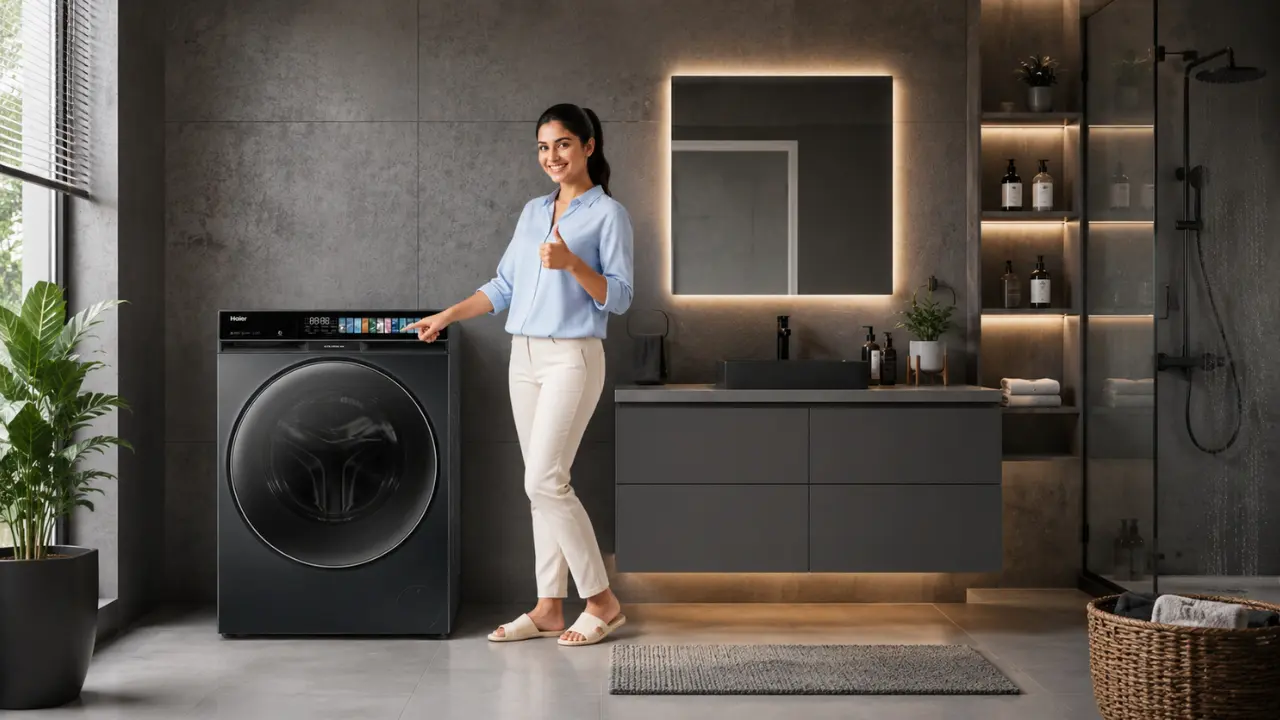

Yes. Modern touch panels in washing machines are built for daily use, humidity, repeated interaction, and long operating cycles. The real question is not whether touch panels are durable. The real question is how well the system around the panel is engineered.
A washing machine touch panel is like a car dashboard. People notice the screen. What actually matters is the wiring, sealing, responsiveness, and long-term stability underneath.
And that changes everything.
The fear around touch panels is understandable.
Every Indian household has lived through at least one “button problem.”
A TV remote that stops responding.
A microwave button that needs extra pressure.
An old washing machine knob that becomes loose during monsoon season.
So when people see a sleek touch panel on a modern washing machine, the first thought is often practical:
“Looks good. But will this survive daily life?”
That question matters because washing machines in Indian homes do hard work.
They run through summer dust.
Monsoon humidity.
School uniforms.
Gym wear.
Bedsheets after guests leave.
A washing machine is not a decorative gadget. It is infrastructure.
Which means durability matters more than appearance.
And ironically, this is where touch panels quietly outperform traditional systems in many situations.
Mechanical Buttons Wear Down Differently
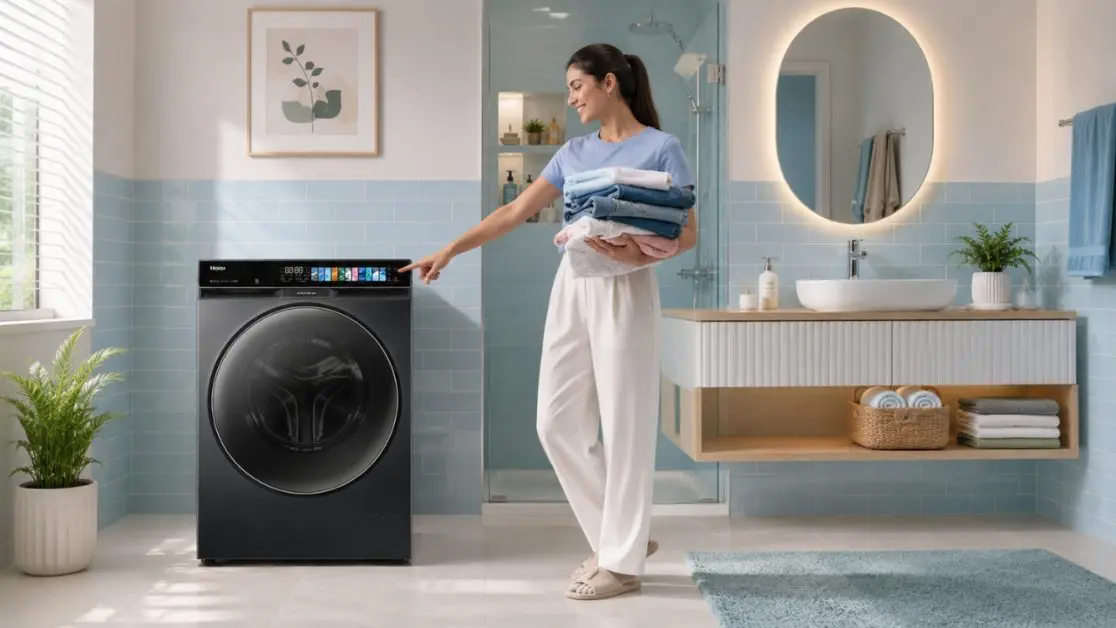
People often assume physical buttons are automatically more durable because they feel solid.
That assumption comes from familiarity, not engineering.
Every physical button has moving parts.
Every knob creates friction.
Every repeated press slowly weakens internal contact points.
Over time:
- Buttons become harder to press
- Knobs loosen
- Dirt accumulates around edges
- Moisture enters tiny gaps
- Printed labels fade
Mechanical systems fail through movement.
Touch panels reduce movement.
That is the hidden shift.
A modern capacitive touch panel has fewer physical stress points because nothing mechanically “clicks” underneath during every interaction.
Less movement often means less long-term wear.
Simple.
Why Modern Washing Machines Are Moving Toward Touch Controls
The transition from knobs to touch panels is not just about aesthetics.
It reflects how appliance systems are evolving.
Modern washing machines now handle:
- AI-powered wash adjustments
- Fabric-specific programs
- Temperature management
- Delay timers
- Child locks
- Smart diagnostics
- Wi-Fi connectivity
- Energy optimisation
Traditional controls struggle when systems become more intelligent.
Touch interfaces simplify complexity.
Think about smartphones.
Older phones had physical keyboards. Modern phones rely almost entirely on touch systems because software evolved faster than hardware buttons could adapt.
The same thing is happening inside home appliances.
The machine is becoming smarter.
The interface evolves with it.
But Durability Depends on Build Quality
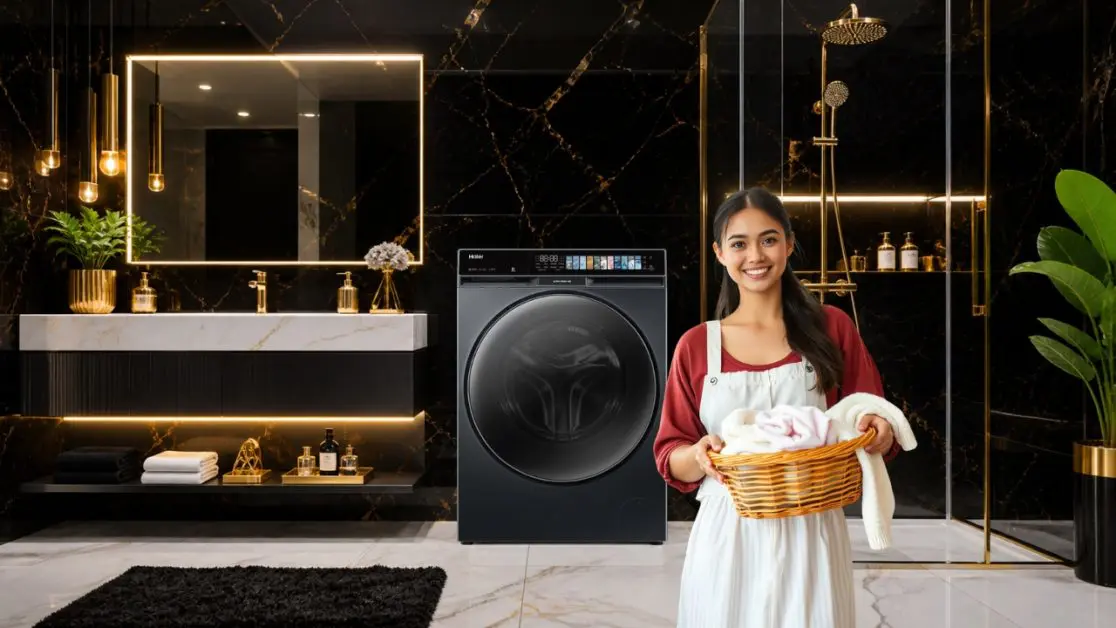
This is where nuance matters.
Not all touch panels are equally durable.
One option is cheap overlay panels with weak sealing.
The second option is properly engineered tempered-glass interfaces with moisture resistance and stable sensitivity calibration.
The third option is premium integrated systems where the touch layer, display logic, and protective housing work together as a sealed system.
That difference matters more than “touch vs buttons.”
A badly engineered touch panel fails quickly.
A well-engineered one lasts years.
The system matters more than the surface.
What Actually Makes a Washing Machine Touch Panel Durable?
Most buyers look at the display.
Experienced buyers look at the protection system behind it.
Here are the factors that quietly determine long-term durability:
1. Moisture Resistance
Indian homes are humid.
Laundry spaces become damp during monsoons.
A durable touch panel needs proper sealing against moisture ingress.
This is one reason modern premium front-load washing machines increasingly use integrated glass-panel designs instead of exposed button gaps.
Fewer entry points. Better protection.
2. Stable Touch Sensitivity
A poorly calibrated panel becomes frustrating fast.
Either it overreacts.
Or refuses to respond.
Good touch systems maintain sensitivity consistency across years of use, even with slightly wet hands or fluctuating temperatures.
That reliability matters more than flashy animations.
3. Surface Strength
The panel surface itself matters.
Higher-quality washing machines often use stronger scratch-resistant surfaces designed to handle:
- Repeated cleaning
- Fingernail contact
- Dust wiping
- Daily interaction
- Accidental impacts
Because real homes are not showroom floors.
4. Internal Electronics Protection
Most failures happen internally, not externally.
Voltage fluctuations, heat stress, and moisture affect internal boards more than the visible panel itself.
This is why overall appliance engineering matters more than one isolated feature.
A durable washing machine is always a systems story.
Never a single-feature story.
Touch Panels Actually Improve Everyday Usability
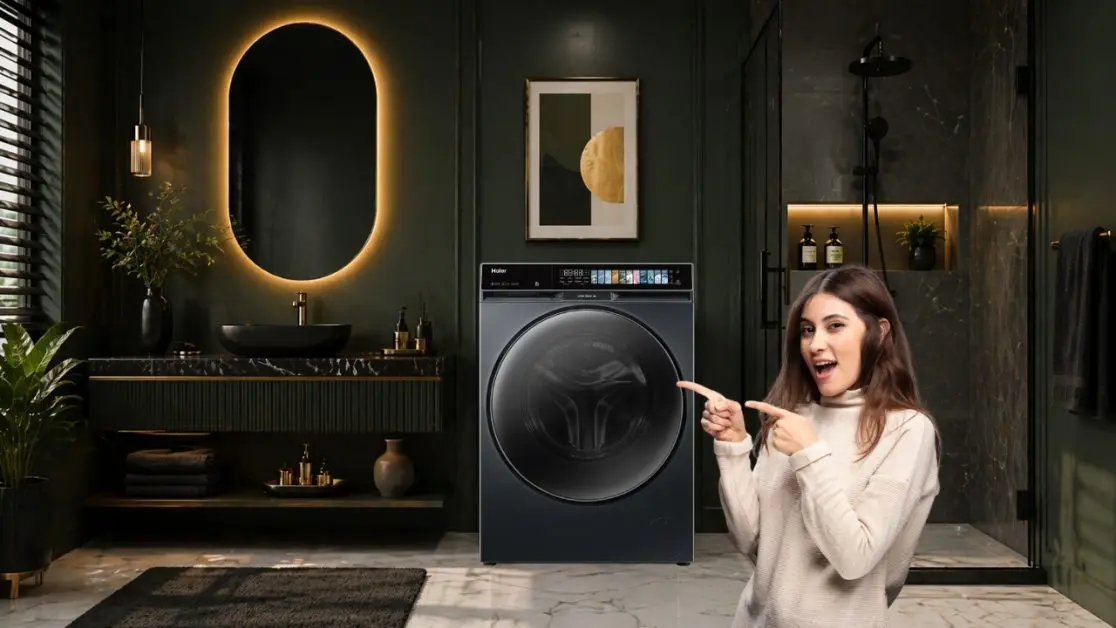
This part gets overlooked.
Durability is not only about surviving damage.
It is also about reducing friction during use.
And touch panels quietly improve that experience in ways people notice every day.
Cleaner Interaction
Flat touch surfaces are easier to wipe clean.
No dust trapped around rotating knobs.
No detergent buildup near buttons.
No grime accumulation inside crevices.
Small detail.
Big long-term impact.
Better Visibility
Modern touch panels usually offer:
- Clearer program visibility
- Better lighting
- More intuitive navigation
- Faster cycle selection
That matters in low-light utility areas.
Or during rushed mornings before office hours.
More Precise Program Control
Modern laundry habits are changing.
People wash:
- Activewear separately
- Delicate fabrics carefully
- Baby clothes hygienically
- Winter blankets seasonally
Touch interfaces allow machines to manage more precise washing logic without overwhelming the user.
The control system becomes simpler even while the machine becomes smarter.
That is a good design.
The Real Enemy Is Not Touch Technology
It is neglect.
Most washing machine issues come from environmental stress and maintenance habits.
Not from touch panels themselves.
Here is what actually reduces appliance lifespan:
- Water leakage near electronics
- Extreme voltage instability
- Poor ventilation
- Heavy impact
- Lack of cleaning
- Overloading the drum repeatedly
A touch panel cannot compensate for bad usage patterns.
But neither can physical buttons.
The hidden truth?
Most modern washing machine failures happen elsewhere long before the touch interface becomes the problem.
Why Younger Buyers Prefer Touch Panels
Walk into a newly set-up apartment in Bengaluru, Pune, Gurugram, or Hyderabad.
You notice a pattern.
Minimal clutter.
Cleaner finishes.
Integrated lighting.
Connected devices.
Modern buyers increasingly want appliances that feel aligned with the rest of their environment.
Not industrial.
Not outdated.
Touch panels fit naturally into that shift.
Because appliances are no longer hidden utility machines.
They are part of the visual rhythm of the home.
Especially in compact urban apartments where kitchens and laundry spaces are more visible than ever.
A washing machine now participates in design language.
Not just cleaning.
How Haier Approaches Modern Washing Machine Interfaces
This is where thoughtful appliance engineering becomes visible.
Modern front-load models like the Haier F9 Pro Front Load Washing Machine and Haier F11 Front Load Washer & Dryer reflect how touch interfaces are evolving beyond appearance alone.
The focus is not just sleekness.
The focus is usability under real household conditions.
Features like:
- Intelligent wash programs
- Cleaner display layouts
- Advanced hygiene-focused washing systems
- Simplified interaction flow
- Premium integrated control aesthetics
all contribute to making daily laundry feel less mechanical and more intuitive.
And that matters more than people initially realise.
Because the best appliance technology disappears into routine.
You stop thinking about the machine.
You simply trust it.
A Good Interface Reduces Mental Load
This sounds philosophical until you experience it.
Bad interfaces create tiny frustrations repeatedly.
Every day.
Every wash cycle.
Every rushed morning.
Good interfaces reduce decision fatigue.
The machine feels predictable.
Responsive.
Calm.
And that changes how people experience everyday chores.
A washing machine should not demand attention.
It should quietly remove friction from life.
That is the real job.
So, Are Touch Panels Durable in Washing Machines?
Yes.
When engineered properly, touch panels are durable, practical, easy to maintain, and increasingly aligned with how modern washing machines actually work.
The bigger insight is this:
Durability is rarely about one feature.
It is about system design.
A strong washing machine is not built through isolated parts. It is built through coordinated engineering decisions that work together over years of real household use.
That is the hidden system most buyers miss.
And perhaps that is why modern appliance design increasingly looks cleaner, smarter, and simpler on the surface.
Because the complexity has moved underneath.
Exactly where it belongs.
Frequently Asked Questions
I like the look of touch panels, but are they actually durable enough for everyday family use?
Yes. Modern washing machine touch panels are designed for daily interaction, humidity, repeated use, and long operating cycles. Their durability depends more on the quality of sealing, electronics protection, and overall engineering than on the touch technology itself.
Are touch panels less reliable than traditional buttons and knobs?
Not necessarily. Physical buttons contain moving parts that wear down over time through friction and repeated pressing. Touch panels have fewer mechanical stress points, which can reduce long-term wear when properly engineered.
Should I avoid a washing machine just because it has a touch panel?
No. Instead of focusing on “touch vs. buttons,” evaluate the machine’s overall build quality, moisture resistance, brand reputation, and warranty support.
Do touch panels fail more often in Indian homes because of humidity?
High-quality touch panels are designed with moisture-resistant sealing systems. Poorly built panels may struggle in humid environments, but well-engineered models are built specifically to handle such conditions.
My laundry area gets dusty and damp. Will a touch panel survive?
Most modern touch panels are better protected against dust and moisture because they have fewer gaps and crevices than traditional button-based interfaces.