
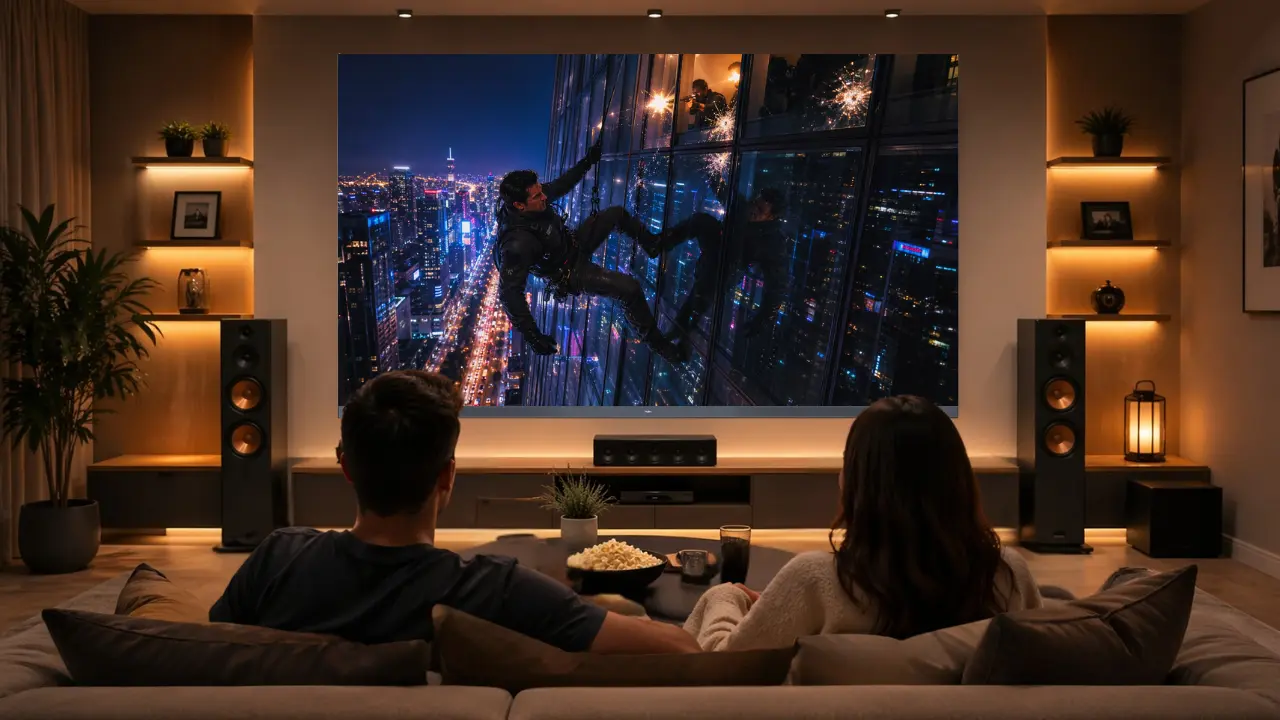

Premium TVs are becoming popular because they no longer feel like gadgets. They feel like experiences.
Larger screens, AI-powered visuals, cinematic sound, and smart ecosystems are turning everyday viewing into something immersive, social, and deeply personal. In modern Indian homes, the TV is no longer just watched. It is lived with.
The living room is no longer just a room.
Walk into a modern Indian home at 9:30 pm.
Dinner is done. Lights are dim. Phones are charging somewhere.
And the TV?
It is not background noise anymore. It is the main event.
Cricket feels like a stadium. A movie feels like a theatre. A YouTube video feels oddly cinematic.
This is the shift.
The TV has moved from being a utility to becoming the centre of the home’s emotional space.
And once something becomes central, people start upgrading it.
Why are premium TVs becoming popular in India right now?
The answer is not one reason. It is a system of changes happening together.
1. The content has changed
We no longer watch cable TV the way we used to.
Today’s viewing mix looks like this:
- OTT platforms like Netflix, Prime Video, Hotstar
- Live sports in 4K
- YouTube creators producing studio-level content
- Gaming consoles with cinematic graphics
This content demands better screens.
A basic TV can play it.
A premium TV transforms it.
2. Homes are getting smarter and more design-conscious
Earlier, TVs were hidden.
Now they are designed into the room.
Think about it:
- Wall-mounted, ultra-slim panels
- Minimal bezels
- Clean living room aesthetics
A premium TV becomes part of the decor.
It is not just about watching. It is about how the room feels.
3. Screen size psychology has changed
There was a time when 32-inch felt big.
Then 140cm (55) became standard.
Now?
189cm (75). 215cm (85). Even 254cm(100) is entering homes.
For example, models like the Haier 254cm(100) QLED Google TV are pushing this shift with immersive viewing experiences and AI-powered enhancements
This is not excess.
This is adaptation.
The bigger the screen, the more it replaces other experiences.
Cinema halls. Gaming zones. Even social gatherings.
The hidden system: People are buying time, not just TVs
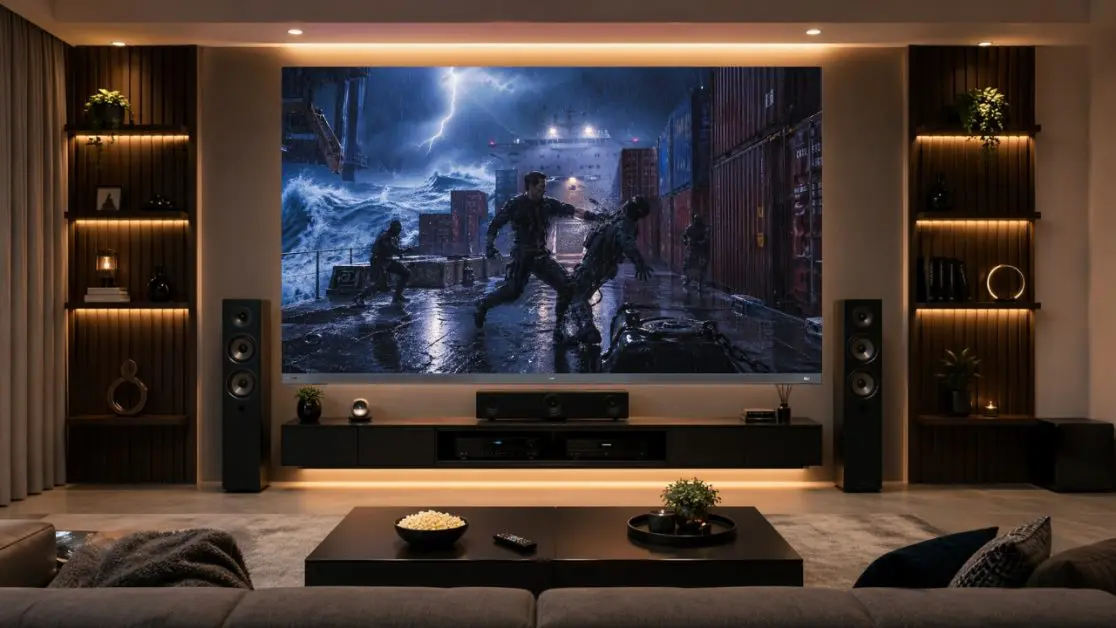
This is where it gets interesting.
People are not upgrading TVs because of pixels.
They are upgrading because of how they spend time at home.
Let’s break this down.
One option is: Keep entertainment fragmented
- Phone for reels
- Laptop for work
- Small TV for occasional viewing
Cost: Disconnected experience
Benefit: Lower spending
The second option is: Build a shared screen experience
- Large TV
- Family viewing
- Weekend movie nights
Cost: Higher upfront investment
Benefit: Shared moments, better quality time
The third option is: Go fully immersive
- Premium large screen
- AI-enhanced visuals
- Cinematic audio
- Gaming-ready
Cost: Premium pricing
Benefit: One device replaces multiple experiences
The insight is simple: Premium TVs are not expensive. They are consolidators.
They replace multiple forms of entertainment into one.
What makes a TV “premium” today?
It is no longer just resolution.
It is a combination of systems working together.
Key features driving premium TV popularity
| Feature | What it actually changes |
| Mini LED / QLED | Deeper blacks, brighter highlights |
| Dolby Vision & HDR10+ | More realistic colours and contrast |
| AI Processors | Real-time scene optimization |
| Dolby Atmos Sound | Theatre-like audio experience |
| High Refresh Rate (120Hz+) | Smooth sports and gaming |
| Smart OS (Google TV) | Personalized content discovery |
For instance, the Haier M80F Mini LED TV offers Dolby Vision, 2.1 channel audio with KEF tuning, and AI voice control for a fully immersive setup
This is not one feature.
This is a system.
The role of AI in premium TVs
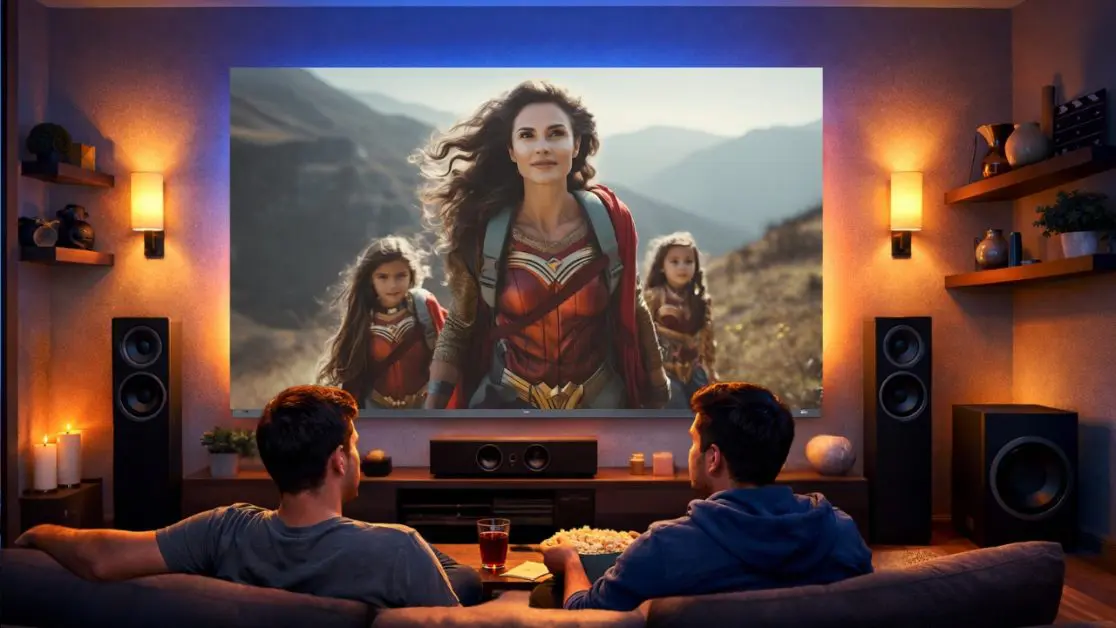
Here is where the real shift is happening.
Modern premium TVs are not passive screens.
They are responsive systems.
Take AI-based picture engines.
They do things like:
- Recognize scenes in real time
- Adjust brightness based on room lighting
- Enhance motion for sports
- Improve low-resolution content
In advanced models, AI centers integrate visuals, sound, and gaming into one optimized experience
The TV is no longer showing content. It is interpreting it.
Gaming, sports, and the new use cases
A decade ago, TV usage was predictable.
Now, it is fragmented and intense.
Where premium TVs shine
- IPL and live sports with high refresh rates
- Console gaming with VRR and low latency
- OTT binge watching in cinematic formats
- Screen mirroring and casting
Features like 144Hz refresh rate and AMD FreeSync support smoother gameplay and reduce motion blur
The premium TV becomes a multi-purpose screen.
Not just a TV.
The emotional reason people don’t talk about
This is subtle.
But powerful.
People are spending more time at home.
Not because they have to.
Because they want to.
And when home becomes your primary space for:
- Relaxation
- Entertainment
- Social time
You start upgrading the things that define that space.
The TV is one of them.
Cost vs value: Is a premium TV worth it?
Let’s be honest.
Premium TVs are not cheap.
But the value equation has changed.
What you pay for
- Bigger screen
- Better picture and sound
- Advanced technology
- Smart ecosystem
What you actually get
- Fewer trips to theatres
- Better family time
- One device for multiple uses
- Long-term usage
A simple way to think about it
Divide the cost over 5 years.
Then divide that over daily usage.
Suddenly, it feels like one of the most used and justified investments at home.
How to choose the right premium TV for your home
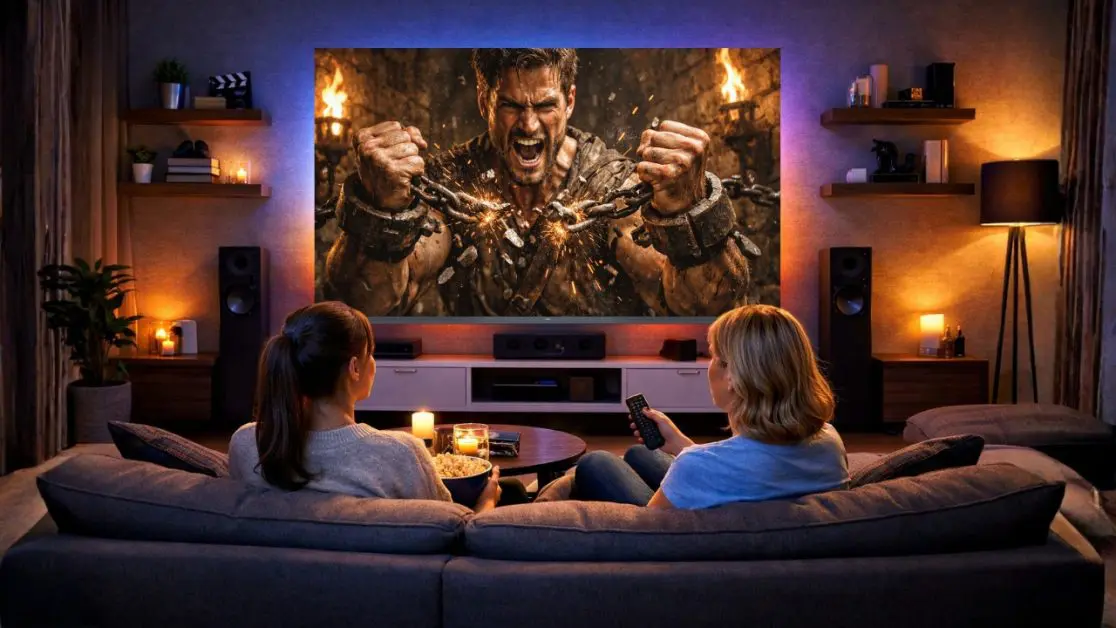
Not every premium TV is for everyone.
Here is a simple framework.
1. Based on room size
- Small room: 55 to 164cm(65)
- Medium living room: 65 to 189cm(75)
- Large living room: 189cm(75) and above
2. Based on usage
- OTT and movies: Focus on display and HDR
- Sports: Look for higher refresh rate
- Gaming: VRR, low latency, HDMI 2.1
- Family use: Smart OS and voice control
3. Based on experience level
- Entry premium: QLED
- Mid premium: Mini LED
- High premium: QD Mini LED with AI
Where brands like Haier fit into this shift
The interesting part is not just that premium TVs are growing.
It is how brands are adapting.
Haier, for example, is focusing on:
- Large screen formats up to 254cm(100)
- AI-driven picture and sound systems
- Integrated smart ecosystems
- Audio tuned with KEF for deeper immersion
In high-end models, even sound systems go multi-layered with configurations like 6.2.2 channel audio for a true surround experience
This is not about specs.
It is about creating a complete environment.
The bigger shift: Entertainment is moving inward
Earlier, experiences were outside:
- Cinema halls
- Gaming arcades
- Live events
Now, they are moving inside the home.
Faster internet.
Better content.
Smarter devices.
And a screen that ties it all together.
The final insight
Premium TVs are not becoming popular because technology has improved.
They are becoming popular because life at home has changed.
Work happens at home.
Relaxation happens at home.
Connection happens at home.
So the tools that shape that experience evolve too.
What this means for your next decision
When you think about upgrading your TV, ask a different question.
Not:
“What screen size should I buy?”
But:
“What kind of experience do I want at home?”
Because in the end, that is what premium TVs are really selling.
Not pixels.
Not sound.
But better evenings.
Frequently Asked Questions
Do I really need a premium TV or am I just getting influenced by trends?
If your current TV still satisfies your daily viewing and you don’t crave better visuals or sound, you can wait. But if you’re streaming high-quality content and feel underwhelmed, a premium TV will noticeably improve your experience.
I mostly watch OTT. Will I actually notice a difference with a premium TV?
Yes. Platforms like Netflix or Amazon Prime Video stream in HDR and 4K. Premium TVs unlock richer colors, deeper contrast, and cinematic clarity.
Am I overspending on features I won’t use?
Possibly. If you don’t game or watch sports, you may not need high refresh rates. Focus on display quality and sound instead.
Should I buy now or wait for prices to drop?
Prices gradually fall, but features also improve quickly. If you’re planning to use it daily, the value of time often outweighs waiting.
Do premium TVs consume a lot more electricity?
Slightly more than smaller TVs, but newer models are optimized for efficiency. The difference is usually not drastic.
Will my family actually use it together, or will everyone still be on their phones?
A better screen often encourages shared viewing movie nights, sports, and gaming naturally bring people together.
Will I notice smoother motion while watching cricket or football?
Yes. High refresh rate panels (120Hz or higher) reduce blur and make fast action clearer.
Does AI picture processing actually make a difference or is it marketing hype?
It does help AI adjust brightness, sharpness, and contrast in real time, especially useful for mixed-quality content.
Is Dolby Atmos sound enough, or do I still need a soundbar?
Built-in audio has improved a lot, but for a true theatre-like experience, an external sound system still adds depth.