
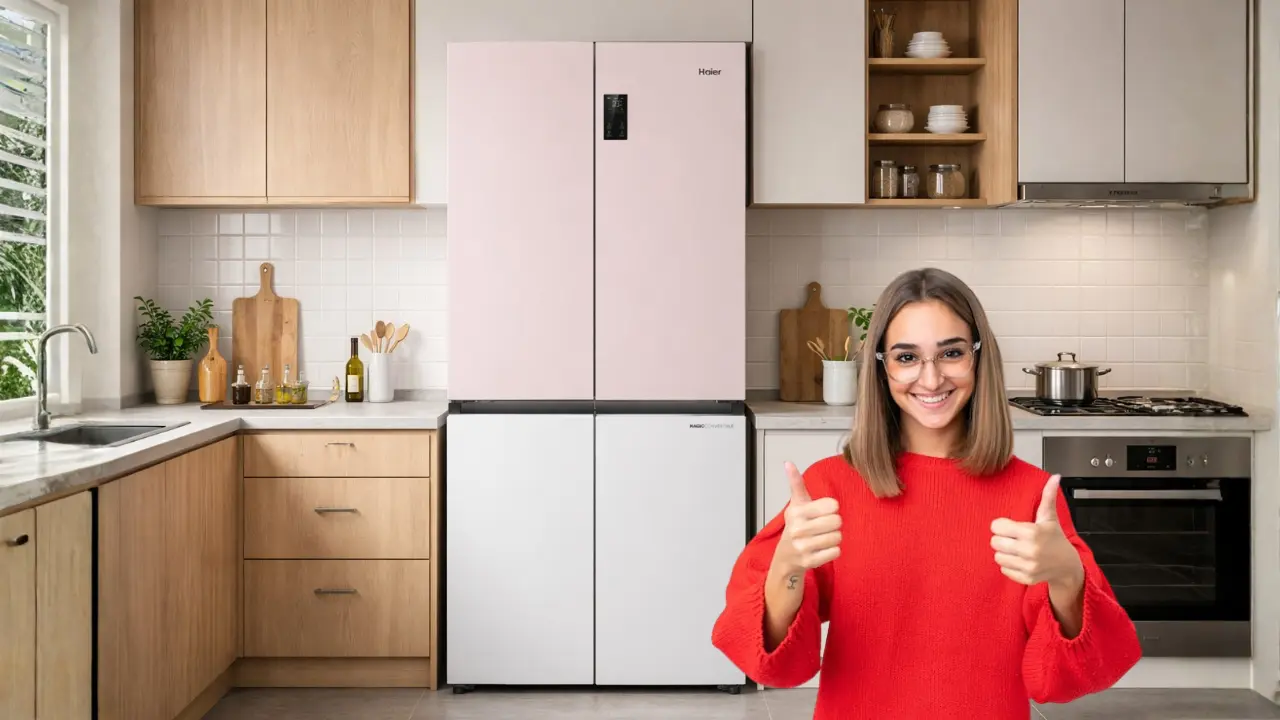

Premium refrigerators are rising in India because homes are changing faster than appliances used to.
People want more space, smarter cooling, better design, and energy efficiency in one system. As lifestyles become more dynamic, refrigerators are no longer just storage units. They are becoming central to how modern Indian homes function every day.
The fridge is no longer a background appliance
Walk into a newly set up home in Bengaluru or Gurgaon.
You will notice something subtle.
The refrigerator is no longer hidden in a corner.
It stands visible. Designed. Intentional.
That shift tells a bigger story.
Appliances used to be functional decisions. Today, they are lifestyle decisions.
And once a product becomes visible, expectations change.
- It must look good
- It must work intelligently
- It must adapt to real life
A fridge that sits in the open must earn its place every day.
That is the first reason premium refrigerators are rising.
Indian households are storing more than just food
The modern fridge is solving a different problem
Ten years ago, a refrigerator stored vegetables, leftovers, and water bottles.
Today, it stores:
- Weekly grocery batches
- Meal prep containers
- Frozen snacks for late-night cravings
- Specialty ingredients for weekend cooking
- Kids’ treats, protein shakes, and ready-to-eat meals
The volume has changed. The variety has changed.
Which creates a new demand.
Storage is no longer about space. It is about organisation.
Premium refrigerators respond to this shift with:
- Multi-zone compartments
- Convertible spaces
- Better shelf engineering
Take something like a 520L four-door design.
It is not just bigger. It is structured differently.
For instance, models like the Haier Lumiere 520L series offer up to 440L fridge space with a convertible 90L section, allowing users to shift between fridge and freezer depending on need
That is not extra capacity.
That is adaptive capacity.
Why fixed cooling no longer works
The hidden flaw in traditional refrigerators
Most older refrigerators follow a simple rule.
Cool everything equally.
It sounds fair. It fails in practice.
Because:
- Vegetables need humidity
- Dairy needs stable cooling
- Frozen food needs deep freeze
- Drinks need quick chill
Equal cooling ignores unequal needs.
Premium refrigerators solve this with:
- Zoned cooling
- Adjustable temperature ranges
- 360-degree airflow systems
For example, advanced cooling systems now ensure every shelf gets consistent cooling, reducing spoilage and maintaining freshness longer
When cooling becomes precise, waste reduces quietly.
That matters more than most people realise.
The rise of flexible living is driving flexible appliances
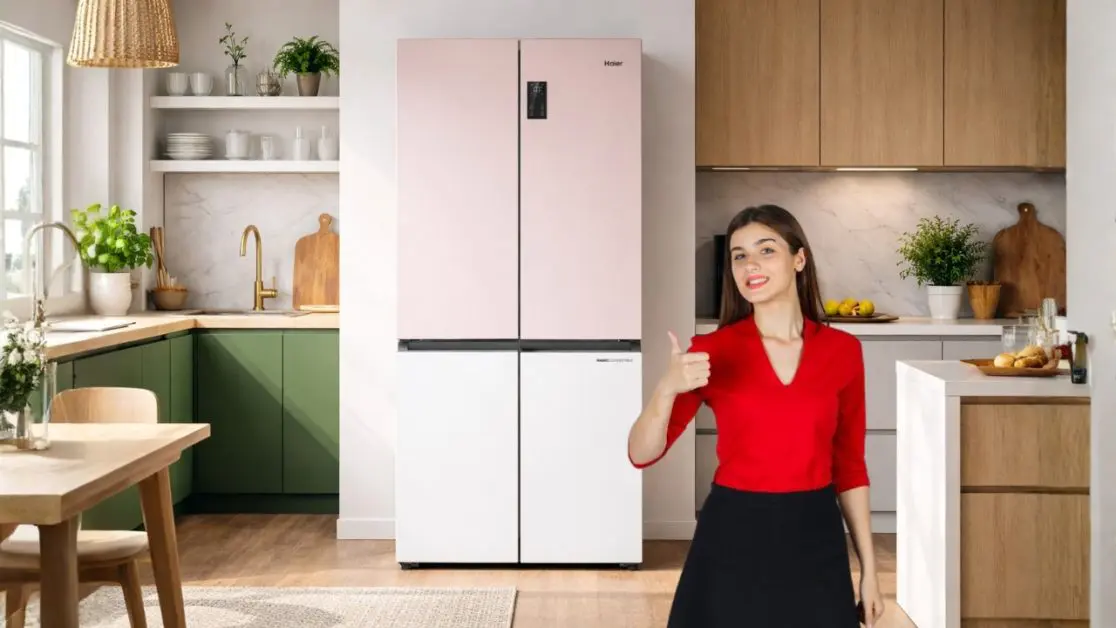
One home. Many routines.
A modern Indian home is no longer predictable.
- Work from home on Monday
- Office commute on Tuesday
- Guests over on Friday
- Family lunch on Sunday
The kitchen has to keep up.
Which leads to one key shift:
Appliances must adjust faster than routines change.
Premium refrigerators do this through convertible zones.
Let us break this down.
Three ways households use convertible cooling
- More fridge space during the week
- Fresh vegetables, milk, leftovers
- Efficient for daily cooking
- More freezer space during weekends or parties
- Ice cream, frozen snacks, desserts
- Useful for gatherings
- Balanced mode for mixed usage
- Families with varied needs
The same refrigerator behaves differently across the week.
That is not luxury.
That is relevant.
Design is no longer optional
Appliances are becoming part of home aesthetics
Look at how people choose sofas today.
Or dining tables.
Or even lighting.
Everything is coordinated.
Refrigerators are now part of that visual language.
Premium refrigerators respond with:
- Matte finishes
- Pastel colours
- Glass panels
- Minimalist displays
A product like the Haier Lumiere series comes in finishes like Mauve Pink, Pearl White, and Rosetyte White, designed to blend into modern interiors rather than disrupt them
When appliances match interiors, homes feel intentional.
That is what buyers are paying for.
Energy efficiency is becoming a daily calculation
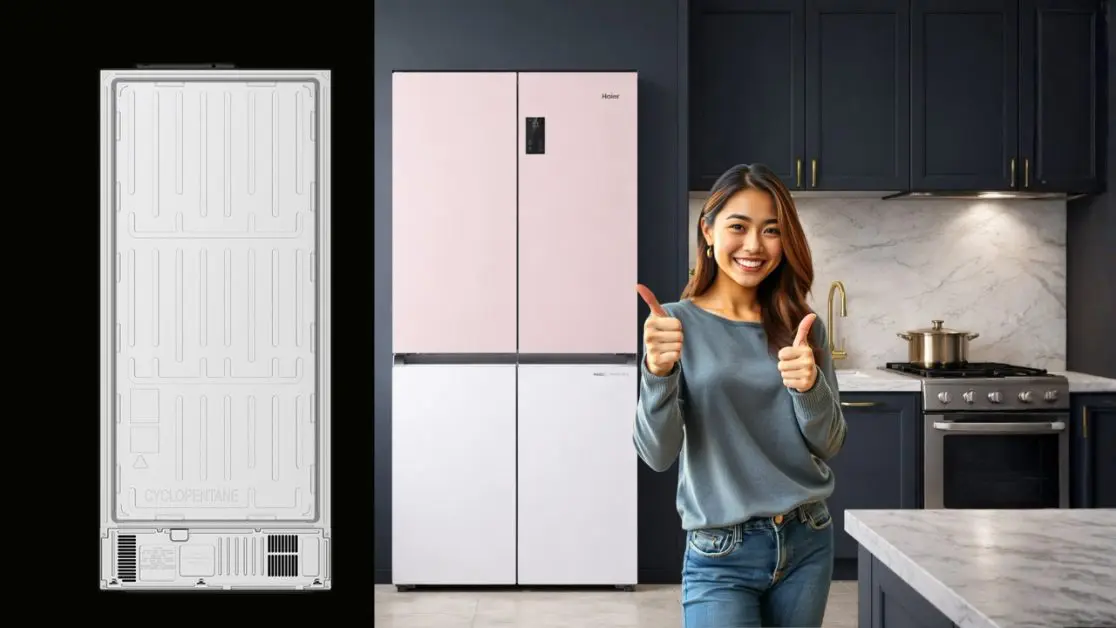
The real cost of a refrigerator is not the price tag
A refrigerator runs 24 hours a day.
That makes it one of the most energy-intensive appliances in a home.
Now consider this:
- A small inefficiency repeated daily becomes a large cost annually
- Electricity bills are rising across urban India
- Sustainability awareness is increasing
Premium refrigerators address this with:
- Inverter compressors
- Energy-efficient cooling cycles
- Smart power management
For instance, inverter-based systems help maintain stable temperatures while consuming less energy over time
Efficiency is not a feature. It is a long-term financial decision.
Health and hygiene are moving to the centre
Freshness is no longer assumed
People are more conscious about:
- Food safety
- Odour control
- Clean storage environments
Premium refrigerators introduce technologies like:
- Deodorisation systems
- Anti-bacterial linings
- Controlled airflow
For example, features like Deo Fresh technology help absorb odours and maintain freshness, especially useful in Indian kitchens with strong spices and mixed food storage
When freshness improves, food lasts longer.
That reduces waste.
That saves money.
The economics of upgrading are changing
Premium is becoming more accessible
A few years ago, premium refrigerators were niche.
Today, the equation looks different.
- EMI options are widely available
- Discounts during festive seasons
- Higher disposable incomes in urban households
Consider this simple comparison:
| Category | Initial Cost | Long-Term Value |
| Basic Refrigerator | Lower | Higher energy cost, less flexibility |
| Premium Refrigerator | Higher | Lower energy cost, better storage, longer life |
People are no longer buying the cheapest option.
They are buying the most sensible option.
The emotional shift no one talks about
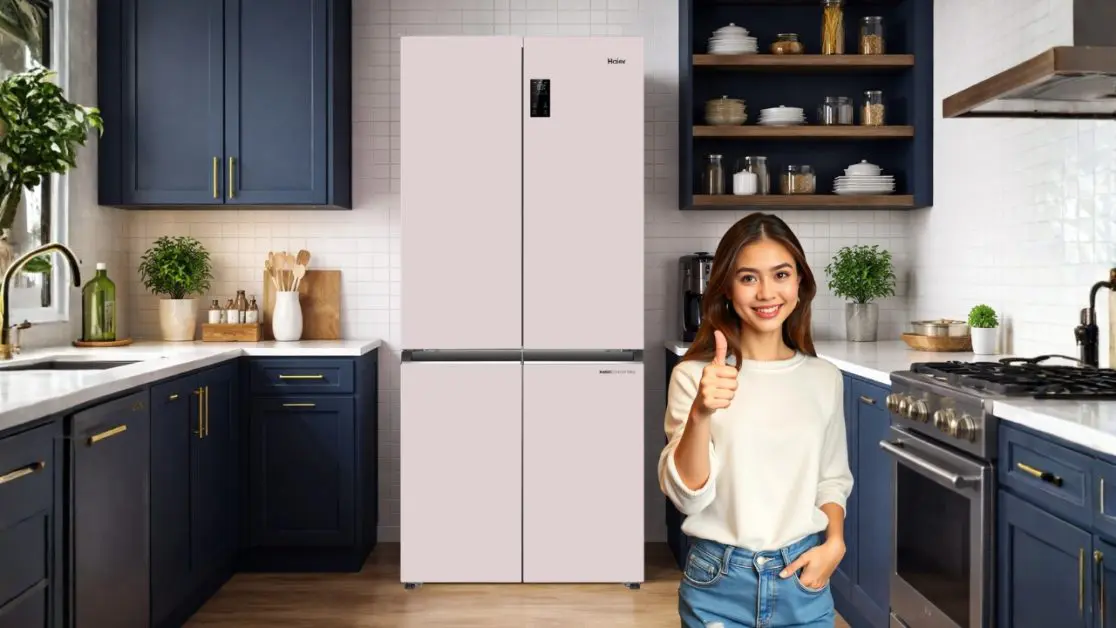
Convenience is becoming a quiet luxury
There is a small moment most people recognise.
You open the fridge.
Everything is visible. Organised. Fresh.
No searching. No rearranging.
That moment feels small.
But it repeats every day.
Premium refrigerators are rising because they remove friction.
- Less bending
- Better visibility
- Easier access
- Smarter layouts
Features like ergonomic shelf design and adjustable racks make daily use simpler, especially for Indian households with large utensils and varied storage needs
Comfort is not loud. It is felt in small, repeated moments.
So what is really driving the rise?
Let us zoom out.
Premium refrigerators are not rising because of features alone.
They are rising because of a system shift.
Four forces working together
- Urban living constraints
- Smaller spaces, higher expectations
- Lifestyle complexity
- More routines, more food variety
- Design awareness
- Homes are curated, not assembled
- Long-term thinking
- Buyers calculate value over years
When these forces combine, one outcome becomes inevitable.
The average appliance no longer feels enough.
The real question buyers are asking today
It is not:
“Which fridge is cheapest?”
It is:
“Which fridge fits how we actually live?”
That is a better question.
Because it leads to better decisions.
What this means for modern Indian homes
The refrigerator is becoming a central system in the home.
Not just for storage.
But for:
- Planning meals
- Managing energy
- Reducing waste
- Supporting routines
Premium refrigerators are rising because they align with this reality.
They are not upgrades.
They are adjustments to a new way of living.
A final thought worth remembering
When life becomes more complex, good systems become invisible.
The best refrigerator is not the one you notice.
It is the one that quietly keeps everything working.
Fresh food.
Lower bills.
Less effort.
More ease.
And in a world that moves fast, that kind of quiet reliability is what people are choosing.
Not because it is premium.
Because it makes sense.
Frequently Asked Questions
I feel like my current fridge works fine. Am I overthinking an upgrade?
You’re not overthinking, you’re noticing a lifestyle mismatch. If your fridge feels cramped, disorganized, or forces you to adjust your habits (instead of adapting to you), that’s the signal. Premium fridges solve friction, not just storage.
Why does a premium refrigerator suddenly feel “necessary” instead of optional?
Because your usage has changed. You’re storing more variety (meal prep, frozen foods, groceries), and older fridges weren’t built for that complexity. What feels like a “want” is often a response to a real daily inconvenience.
I sometimes notice bad smells in my fridge. Is that normal?
It’s common, but not ideal. Traditional fridges trap mixed odours. Premium models use deodorisation systems and airflow control to prevent smell buildup, especially important in Indian kitchens with strong spices.
I throw away vegetables often. Is my fridge the problem?
Partly, yes. Vegetables need humidity control, not just cold air. Premium fridges use dedicated zones to maintain freshness longer, reducing spoilage and waste.
I don’t understand convertible fridge space. Do I really need it?
If your weekly needs change (more veggies during weekdays, more frozen food on weekends), convertible zones are extremely useful. They adapt your fridge layout without needing extra appliances.
My fridge feels too rigid. Why can’t it adapt to my routine?
Because traditional fridges are static. Premium ones are dynamic; they let you switch modes based on usage, which aligns better with modern, unpredictable schedules.
Why does my fridge feel cluttered even when it’s not full?
Because it’s not designed for organization. Premium designs focus on visibility and access so you don’t “lose” items in the back.
I left my fridge open or overloaded. Does that affect cooling long-term?
Yes. Traditional fridges struggle to recover quickly. Premium ones adjust faster due to inverter compressors and intelligent cooling systems.