
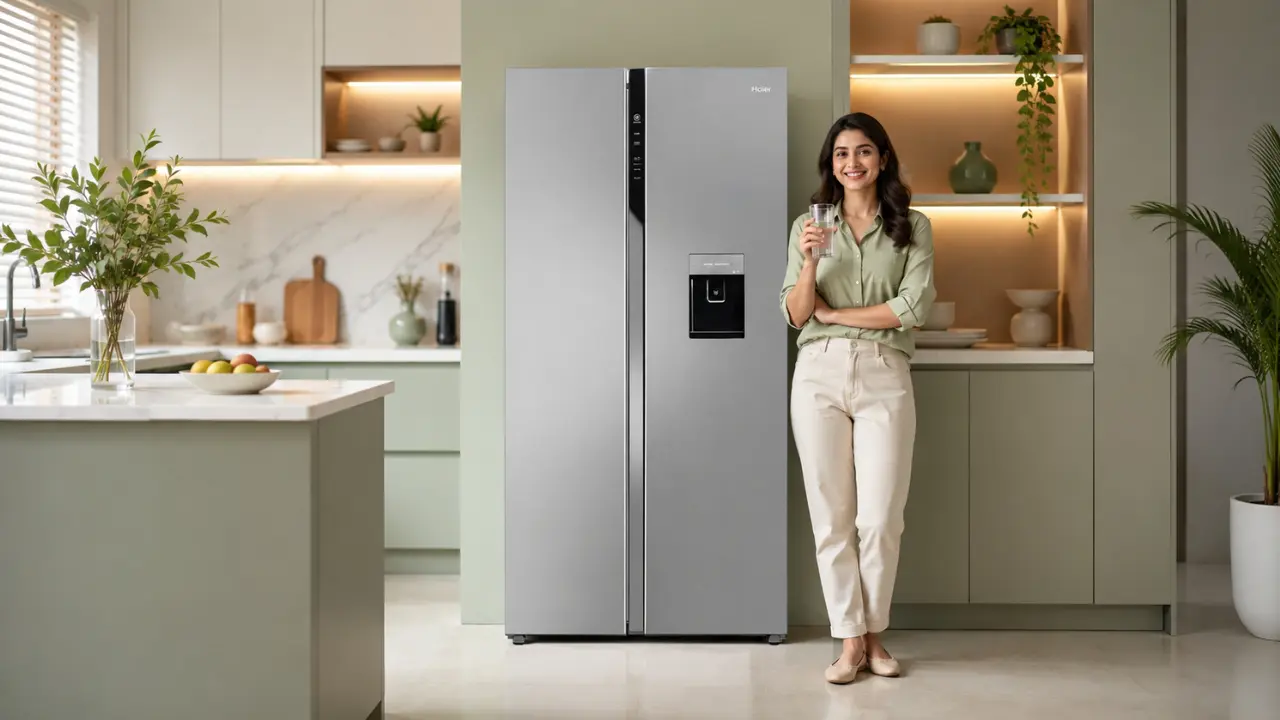

BPA-free technology makes drinking water safer by reducing chemical exposure from plastic containers and water dispensers.
Bisphenol A, commonly called BPA, is a chemical once widely used in plastic manufacturing. Over time, studies raised concerns about how BPA can leach into food and drinking water, especially when plastic faces heat, sunlight, or repeated use. BPA-free technology helps reduce that risk by using safer alternative materials designed for everyday hydration.
A refrigerator is no longer just about cooling.
It quietly shapes how families store food, drink water, and build everyday habits around health.
And sometimes, the smallest design decision changes the entire experience.
The hidden problem most people never think about.
Walk into a modern Indian kitchen during summer.
Someone fills a steel bottle before leaving for work.
A child grabs cold water after cricket practice.
Parents refill bottles before bedtime.
Guests ask for chilled water during a family gathering.
Water moves constantly through a home.
But very few people pause to ask a simple question:
What exactly is the water touching before it reaches the glass?
That question matters because modern hydration is deeply connected to plastic.
Water dispensers. Storage tanks. Bottles. Containers. Internal piping.
And not all plastics behave the same way.
Some materials remain stable. Others slowly release chemicals over time, especially under heat exposure or long-term use. BPA became one of the biggest conversations inside that system.
Because safety problems rarely announce themselves dramatically.
They accumulate quietly.
What is BPA and why did people become concerned about it?
BPA stands for Bisphenol A.
It is an industrial chemical historically used in manufacturing certain plastics and resins. For years, BPA appeared in products people used daily:
- Water bottles
- Food containers
- Baby bottles
- Storage jars
- Water dispenser components
- Internal plastic linings
The problem emerged when researchers observed that BPA could migrate into food or water under certain conditions.
Especially when exposed to:
- Heat
- Repeated washing
- Sunlight
- Acidic liquids
- Wear over time
The larger issue was not immediate poisoning.
It was a long-term exposure.
That shift changed buyer behaviour too.
Today, people read labels more carefully. Parents ask better questions. Young homeowners look beyond aesthetics.
Because modern consumers increasingly understand this:
Health is often shaped by invisible systems, not visible features.
For general BPA safety guidance, even organisations like the U.S. FDA continue monitoring and regulating BPA-related applications globally.
Why drinking water systems became the centre of the conversation
Food storage matters.
But water matters more because it is constant.
A snack container gets used occasionally. Water systems get used every single day.
Multiple times.
That changes the scale of exposure.
Now think about Indian summers specifically.
Kitchen temperatures rise sharply. Refrigerators work harder. Water consumption increases dramatically. Plastic components experience more environmental stress.
This is where BPA-free technology becomes meaningful, not fashionable.
Heat changes everything
Many people assume chemical safety is static.
It is not.
Material behaviour changes with temperature, pressure, and repeated use.
A plastic surface exposed to years of cooling, heating, dispensing, cleaning, and refilling behaves differently than a brand-new product inside a showroom.
That is why safer material choices matter more in appliances handling drinking water daily.
Especially inside busy homes.
The shift from convenience-first to health-first appliances
There was a time when refrigerator buying decisions were simple.
- Bigger storage
- Faster cooling
- Lower price
Done.
Now households evaluate appliances differently.
Modern Indian buyers increasingly think about:
- Food hygiene
- Water quality
- Anti-bacterial systems
- Energy efficiency
- Smart monitoring
- Material safety
The market matured because consumers matured.
People no longer separate technology from wellness.
They expect both together.
That is exactly why BPA-free water dispensers inside modern refrigerators have become important conversation points.
Not because they look premium.
Because they solve a real behavioural concern.
Why BPA-free water dispensers make practical sense in Indian homes
One option is buying external bottled water regularly.
That increases recurring costs and plastic waste.
The second option is using traditional water storage containers.
Functional, but often inconvenient during summers or large gatherings.
The third option is integrated refrigerator water dispensers designed with BPA-free technology.
This approach combines:
- Cold water accessibility
- Daily convenience
- Reduced plastic-related concerns
- Cleaner kitchen organisation
- Better hydration habits
The system matters because convenience shapes behaviour.
People drink more water when access feels effortless.
And effortless systems quietly improve health outcomes over time.
That is one of the hidden truths of appliance design:
The best technology removes friction before people notice the friction exists.
How Haier integrates BPA-free technology into modern refrigeration
This is where thoughtful appliance engineering becomes relevant.
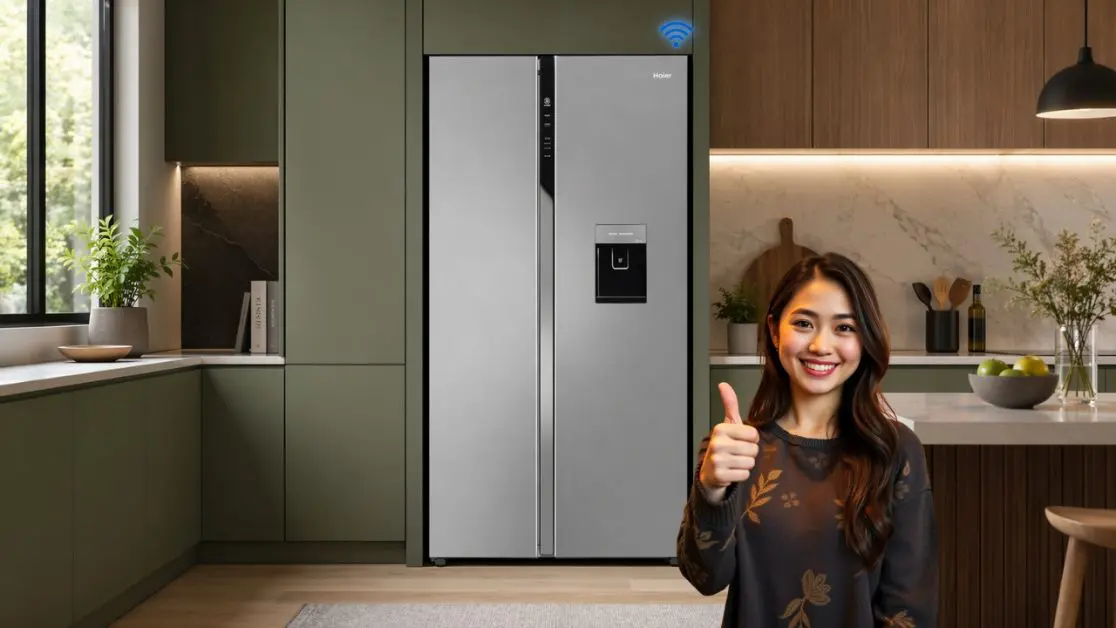
Haier’s 596L Smart Convertible Side-by-Side refrigerators feature a 2.5-litre BPA-free inbuilt water dispenser designed for everyday convenience.
Models like the Haier 596L Ultramarine Steel 2 Door Smart Convertible SBS Refrigerator (HRS-682WUSU1) combine this BPA-free dispenser with features like:
- Smart Sense AI
- Expert Inverter Technology
- Deo Fresh Technology
- Convertible fridge space
- ABT Pro anti-bacterial technology
Similarly, the Haier 596L Regal Steel 2 Door Smart Convertible SBS Refrigerator (HRS-682WRSU1) also includes a BPA-free inbuilt water dispenser for safer hydration access.
And the Haier 596L Shiny Silver 2 Door Smart Convertible SBS Refrigerator (HRS-682SWDU1) carries the same BPA-free water dispensing approach.
Notice something important here.
The BPA-free feature is not isolated.
It sits inside a larger ecosystem focused on freshness, hygiene, cooling efficiency, and smarter food management.
That reflects how modern homes actually work.
People do not experience appliances feature-by-feature.
They experience them as systems.
Safer hydration is increasingly becoming a lifestyle expectation
Ten years ago, BPA-free labels felt niche.
Today they feel reassured.
That change reveals something larger happening across Indian households.
Consumers are becoming more aware of invisible quality markers.
Earlier, people asked:
“Does it cool properly?”
Now they ask:
- Is the material food-safe?
- Does it support hygiene?
- Will it stay reliable long term?
- Is it easier for children and parents to use daily?
- Does it reduce unnecessary risk?
This shift mirrors what happened in food itself.
People started reading ingredient labels more carefully. Then they started questioning packaging too.
Awareness evolves in layers.
Why younger Indian households care more about these details
Millennials and Gen Z buyers approach homes differently than previous generations.
They optimise for:
- Wellness
- Design
- Convenience
- Smart functionality
- Long-term value
They are not impressed by technology alone.
They want technology that simplifies life quietly.
That is why integrated water dispensers matter.
Not because pressing a lever feels futuristic.
Because it changes everyday behaviour patterns.
People hydrate more consistently.
Guests access water faster.
Families reduce refrigerator door opening frequency.
Kitchen workflows become smoother.
Tiny systems. Large impact.
A safer kitchen is rarely built through one dramatic decision
It happens through dozens of small ones.
- Better storage habits
- Cleaner cooling systems
- Smarter food management
- Safer material choices
- Reliable refrigeration
Over time, those decisions compound.
That is how modern homes become healthier without feeling clinical.
The bigger lesson behind BPA-free technology
Most innovation fails because it focuses on spectacle.
Real innovation focuses on repetition.
What happens every day matters more than what happens occasionally.
And drinking water is one of the most repeated behaviours inside any home.
That changes the importance of material safety entirely.
Because the future of appliances is not just intelligence.
It is trust.
Trust that the systems running quietly in the background are designed thoughtfully.
Trust that convenience does not come at the cost of long-term wellbeing.
Trust that the products people bring into their homes respect the rhythms of real life.
That is the deeper story behind BPA-free technology.
Not fear.
Not marketing.
Awareness.
And awareness changes how homes evolve.
Frequently Asked Questions
What does BPA-free mean in refrigerators?
BPA-free means certain plastic components used in areas like water dispensers are manufactured without Bisphenol A, a chemical associated with potential health concerns under prolonged exposure conditions.
Why is BPA-free technology important for drinking water?
Water is consumed multiple times daily. BPA-free materials help reduce concerns about chemical leaching from plastic components over long-term use.
Do refrigerator water dispensers use plastic internally?
Many refrigerator dispensers include plastic storage or flow components. BPA-free technology ensures these components avoid BPA-based materials.
Which Haier refrigerators include BPA-free water dispensers?
Models like the Haier 596L Ultramarine Steel HRS-682WUSU1, Regal Steel HRS-682WRSU1, and Shiny Silver HRS-682SWDU1 feature 2.5-litre BPA-free inbuilt water dispensers.
Does BPA-free mean completely chemical-free?
No. BPA-free specifically means the product avoids Bisphenol A. Different manufacturers may use different alternative materials.
Can BPA-free dispensers improve daily hydration habits?
Yes. Easier access to chilled water often encourages more consistent hydration, especially during Indian summers and busy daily routines.