
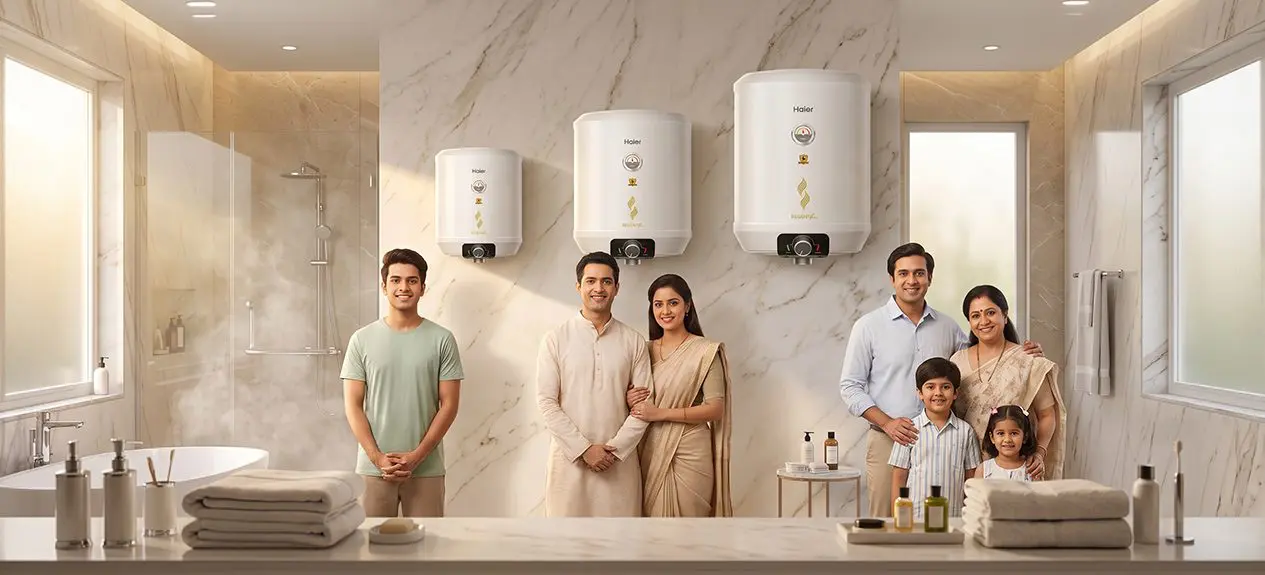

Hot water should be available when the household needs it, without making everyday routines a wait. A good choice of storage water heater can make morning life more comfortable and ensure that the appliance fits comfortably into the way the home is lived in.
There are several tanks in different sizes and designs, and the differences are not always obvious at first glance. This storage water heater buying guide helps make the decision easier and highlights the most important considerations.
Now, let’s understand what water heater capacity really means. So that you are clear with the basics and do not overthink it.
What Does Water Heater Capacity Stand For?
The capacity of a storage water heater is the amount of water that the inner tank can heat and hold at any given time. This, however, does not always mean the total amount of water that can be used for bathing, since normally the heated water is mixed with cold water before use.
Note: The right capacity is important, because a tank that is too big takes up more wall space, takes longer to heat and warms more water than the household regularly needs. Or a smaller tank can run out of hot water if someone takes a long shower or if the first person finishes a bath and the next user has to wait for the water to heat up again.
Pay Attention To Your Household’s Hot Water Uses Each Day
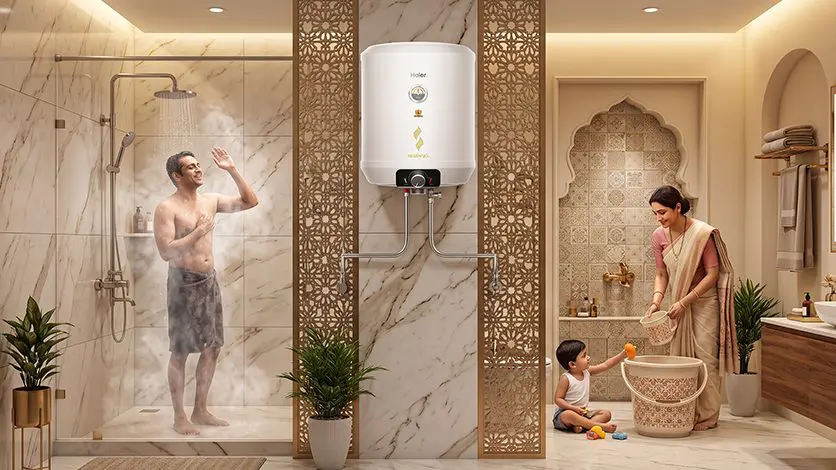
Each house has its own morning and evening routine. A close look at when and how often hot water is needed can help you better narrow down the options:
- Count the people sharing the same bathroom. Focus on the number of regular users depending on one water heater. A family using two separate bathrooms may need a different setup from the same number of people sharing a single bathroom.
- Notice whether people prefer showers or bucket baths. Bucket baths make water use easier to control, while showers draw water continuously. Longer showers and high-flow fittings can use the stored water much faster.
- Think about back-to-back bathing. A smaller heater may work when there is enough time between baths. However, consecutive use during busy mornings usually calls for a larger hot-water reserve.
- Consider how long each person usually bathes. A quick shower places less demand on the heater than a longer one. Even within the same family, different bathing habits can change how quickly the stored hot water is used.
- Include other everyday hot-water needs. Hair washing, bathing children and using warm water for bathroom cleaning can add to the total demand. These smaller uses should also be considered while choosing the capacity.
(Not sure about the size of your water heater for your house?
Read through Water Heater Sizing Guide: Finding the Right Capacity for Your Family)
Find the Capacity That Fits Your Household Best
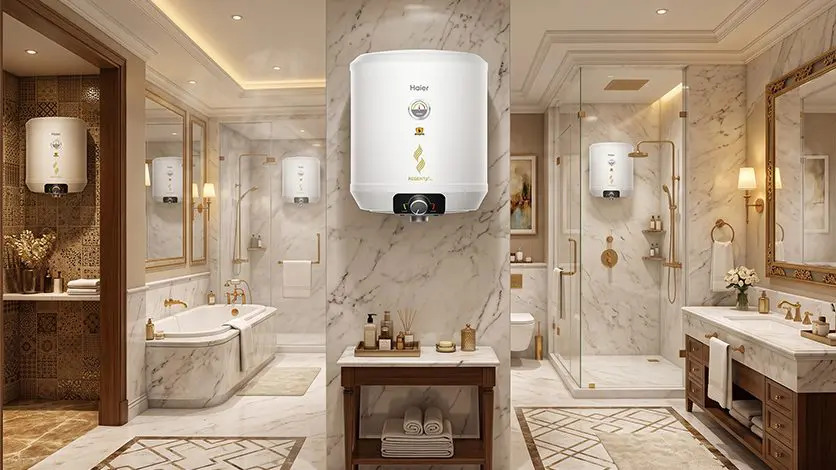
The right size should be able to handle the household’s normal hot-water load without unnecessary waiting or heating more water than is necessary. The following capacity ranges are a useful starting point, although specific requirements differ:
- 6L for very light use. For a washbasin, a 6L storage water heater is suitable, for one user with limited needs or for a guest bathroom that is not used daily. Its small size also works well where space for installation is limited.
- 10L for daily personal use. If you are a single person and only need to take short bucket baths or quick baths, a 10L model will be suitable. It is more flexible than a very small tank, but practical for small bathrooms.
- 15L for couples and small families. A 15L storage water heater is usually a good compromise for moderate daily use. It can also fit couples or small households, especially if baths are not too long or if people do not bathe consecutively.
- 25L for bigger or busier households. A 25L model will better cater for longer showers, colder weather and back-to-back use during busy mornings. The larger reserve of stored water means that the next person is less likely to have to wait for the water to be re-heated.
- Separate heaters for multiple bathrooms. A single large heater may not be able to deliver hot water to bathrooms that are far apart or used concurrently. Units of different sizes can supply hot water more easily, and each bathroom can have a capacity appropriate to its real use.
Make Sure the Heater Fits Your Bathroom, Not Just Your Needs
With a little careful planning, you can make the water heater look like it belongs in the bathroom. The goal is to have a setup that is easy to access and works well over time, while being clean. You can plan the space more carefully with the following points:
- Measure the space where you have available wall space. Before buying, check the heater height, width and depth. Shelves, false ceilings, shower partitions and existing pipes can restrict the placement of the unit.
- Select a shape suitable for the layout. Vertical cylindrical designs work nicely for most standard bathroom walls, and square or slim designs may be easier to fit into smaller spaces. Haier has storage water heaters available in these formats, making it easier to compare design with capacity.
- Look at the water-pressure rating. Apartments and high-rise buildings may have stronger or changing water pressure. Look for a model that has a pressure rating appropriate for the building and plumbing system.
- Verify the electrical arrangement is appropriate. A storage water heater requires a power connection that is properly earthed, and a socket that can safely handle its electrical load. Have a qualified technician check the wiring before installation.
- Allow space for installation and servicing. The heater requires accessible inlet and outlet connections and adequate clearance around the valves. Over-tight fitting can make future inspection, draining and maintenance more difficult.
Find a Haier Storage Water Heater for Every Kind of Home
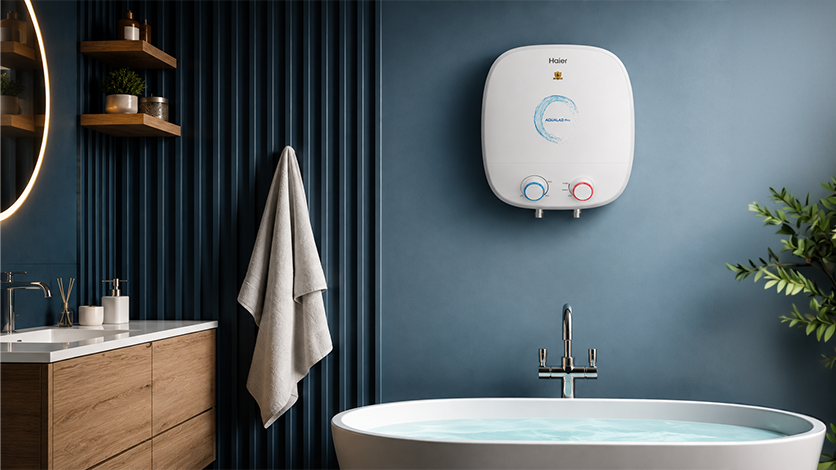
Once you know the capacity you need, the next step is to compare models in this range. Haier has storage water heaters in various shapes, controls and design styles. Since specifications vary, it is best to check the individual product page before making a decision:
Start with a capacity that matches your actual daily use
Haier has storage water heaters in compact, medium and bigger capacities, including 6L, 10L, 15L and 25L options. Tanks that are smaller can be good for lighter use, while larger capacities can give a more comfortable reserve of hot water for homes with sequential users.
A balanced model for usual household needs
The Haier 15L Square AQUALAD PRO 5 Star Water Heater can fit homes with a moderate everyday demand. With a 15L capacity, it’s a practical compromise and the square body means it can sit neatly in many modern bathroom layouts.
Choose a design that fits with the available space
Haier also provides slim horizontal formats, in addition to traditional square and vertical cylindrical models. These can be useful if vertical wall space is limited or if shelves, false ceilings and existing fittings affect installation.
Watch over energy efficiency and heat retention
If you use your heater every day, then a higher energy rating becomes more important. Some Haier models also have insulation to keep heat in for longer periods, which may cut down on the need to reheat between closely timed uses.
Think bigger for busy family bathrooms
The Haier 25L REGENTA PRO+ Cylindrical ABS 5 Star Water Heater gives you a bigger reserve of hot water, which is perfect for longer showers or when you need to bathe back-to-back. It also combines features such as an 8 bar pressure rating, Shock Proof protection and dual thermal protection.
Conclusion
The best storage water heater is not necessarily the largest. It is the one that supplies enough hot water without avoidable waiting, unused capacity or installation trouble.
Begin with the people using each bathroom, then consider bathing style, peak-hour demand, climate, shower flow and available space. These details make the right capacity easier to identify and help you choose a storage water heater that remains practical long after the first winter.
FAQs
What size storage water heater do I need for my family?
For one person or light use, a 10L water heater can be sufficient. For couples or small families with moderate use, a 15L model is usually enough. For three or four people who take a bath one after the other, a 25L model is more comfortable
Is a 10L, 15L, or 25L storage water heater better?
There is no single best capacity for all homes. A 10L model is okay for light use, 15L is a practical option for small families, and 25L is ideal for longer showers or consecutive baths.
How do I choose the right storage water heater capacity?
First, measure how much hot water your household normally uses at one time. Take into account the number of users, the preference for showers or bucket baths, and the number of persons who take a bath during the same part of the day.
What is the difference between a storage and an instant water heater?
A storage water heater heats water and stores it in a tank for when you need it. An instant water heater does not have a lot of water storage. It heats the water as it passes through the unit. Instant models are good for smaller and shorter hot-water needs. Storage models are generally better for regular bathing.
Does a larger storage water heater consume more electricity?
A larger water heater requires more electricity to heat a full tank, as it contains more water. But the amount of hot water you use, the setting, heating power and tank insulation also affect the final electricity use.
How long does a storage water heater take to heat water?
Depending on the capacity, wattage, and the initial water temperature, most storage water heaters will take anywhere from 10 to 35 minutes to heat a tank. Generally, the smaller the tank or the more powerful the heating element the faster it will heat up.
Can one storage water heater supply hot water to multiple bathrooms?
Yes, this can be done if the bathrooms are on the same hot water loop and the water heater has the capacity and pressure to do it. But running them at the same time can quickly use up the available hot water. It might be more practical to consider separate water heaters for bathrooms that are located far from each other or that are used simultaneously for a lot of times.