
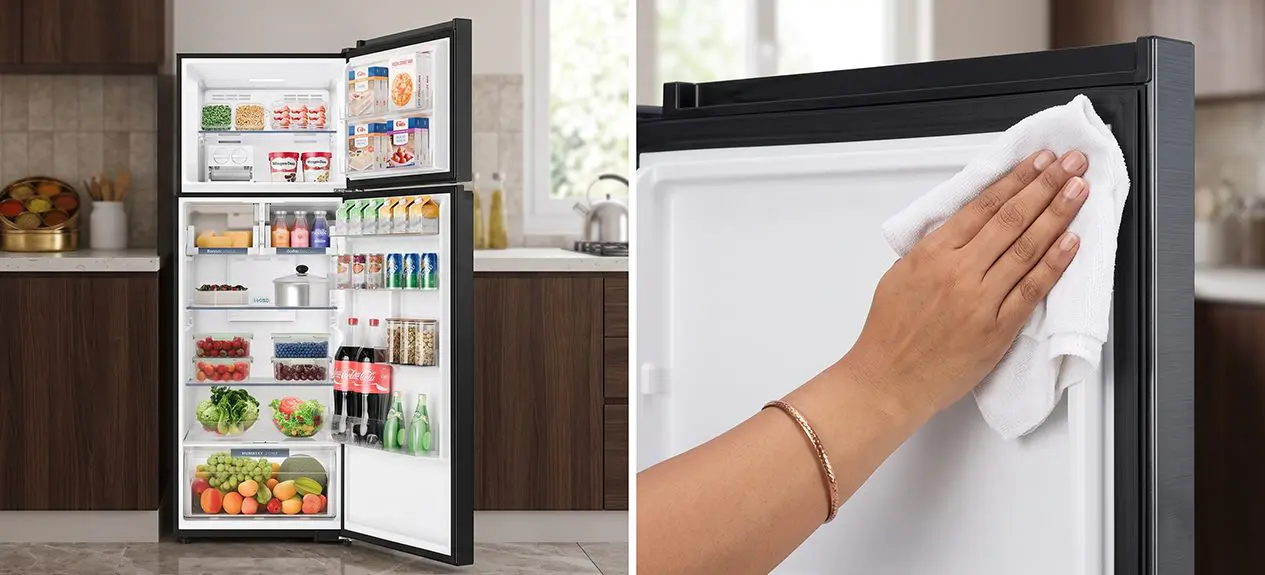

Think about how many times your family opens the refrigerator door every single day. It is easily dozens of times, yet the rubber strip lining the door is incredibly easy to overlook. That flexible piece of rubber is called the gasket, and it does a massive job. It locks cold air inside your fridge while keeping warm room air out. But when spills, dirt, sticky residue, or patches of mould take over, your refrigerator has to work twice as hard just to keep your groceries cold.
Your refrigerator door seal cleaning is about way more than just keeping your kitchen looking tidy. Taking care of this small part ensures the door shuts airtight, keeps your energy bills down by cooling efficiently, and keeps your food completely hygienic. Investing just a few minutes into this quick chore prevents a ton of unnecessary wear and tear. Plus, it is the easiest way to extend refrigerator gasket lifespan.
What Is a Refrigerator Door Seal?
The refrigerator door seal, which many people call the gasket, is the flexible rubber strip running along the outer edge of your appliance door. Whenever you shut the fridge, this gasket compresses to form an airtight barrier between the door and the main cabinet.
A healthy gasket keeps all that precious chilled air locked safely inside. But if the seal gets torn, warped, or knocked out of alignment, warm room air forces its way into the fridge. Once that happens, your appliance’s cooling power takes a massive dive.
Over time, everyday dust, food spills, and moisture inevitably settle deep into the rubber tracks. Because debris burrows so easily into these tight spaces, keeping up with consistent refrigerator door seal maintenance is just a vital part of basic appliance care.
Why Does Refrigerator Door Seal Cleaning Matter?
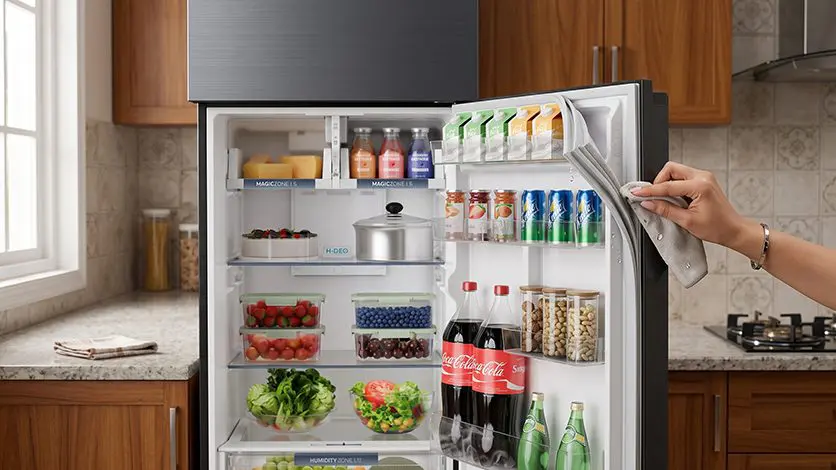
When you ignore a dirty gasket, it quickly turns into a breeding ground for foul smells and nasty mould, especially during those sticky, humid summer months. Liquid spills and stray crumbs easily wedge themselves deep inside the rubber folds where they completely hide from view.
Staying on top of a regular cleaning routine makes a massive difference because it helps you:
- Wipe away all that hidden food debris and sticky buildup.
- Stop mould and bad odours before they even have a chance to start.
- Keep the rubber material nice, soft, and flexible.
- Spot tiny cracks or physical damage before they get worse.
- Ensure the door makes a flush, tight connection with the cabinet.
Tackling this chore takes almost no time at all. On the flip side, ignoring the seal for months allows grime to harden, making it ten times harder to scrub away later.
How to Clean Fridge Gasket Properly
You do not need an expensive toolkit or harsh chemicals for everyday clean fridge gasket care.
First, open the fridge door wide and look closely at the entire seal. Pull back the rubber folds and check the corners. These hidden spots are exactly where dirt loves to hide.
Grab a standard sponge or a soft cloth, dunk it into warm water mixed with mild soap, and start wiping down the liner. Take your time clearing out the entire length of the gasket. You really want to get deep inside those inner folds where the real grime hides.
Got stubborn, sticky residue that will not budge? Grab an old, soft toothbrush or any soft, non-abrasive brush to clear out the narrowest tracks. Just be careful not to scrub too hard, as aggressive scrubbing can easily tear the soft rubber.
Always make sure the gasket is 100% dry before you click the refrigerator door shut.
How to Fix Moldy Fridge Seal
If you notice black spots creeping in and are stressing over how to fix moldy fridge seal messes, take a breath. There is no need to rush out and buy a brand-new part just yet. Honestly, a deep, thorough clean usually does the trick.
Mould absolutely loves dark, damp spaces, making the hidden folds of your rubber gasket its favorite hangout spot when moisture and stray food crumbs get trapped. To fight back, grab some warm water and a bit of mild soap, then use a soft brush to gently clear those gross patches away.
Does the mould keep coming back even though you clean the fridge constantly? Take a closer look at the rubber. You might have hidden gaps, tiny cracks, or warped edges. See, when a seal cannot close tightly, constant moisture gets trapped inside, creating an absolute paradise for mould growth.
What Can Damage a Refrigerator Gasket?
Even though refrigerator door seals are built to handle daily use, a few bad habits can cause them to fail way too early.
Never pull, stretch, or yank the rubber aggressively while you are cleaning it. Also, keep sharp metal tools far away from the folds when you are trying to scrape out stuck food.
Slamming the refrigerator door shut day after day is another hidden culprit. That heavy impact puts unnecessary stress on the rubber seal and the door hinges.
Leaving the gasket wet for hours at a time is another major mistake. Once you finish wiping it down, dry the folds thoroughly to eliminate standing moisture.
If the rubber feels brittle, looks cracked, or sags loosely off the door, do not try to patch it up with random household glues. It is much safer to have an expert look at it.
When Should You Replace the Refrigerator Door Seal?
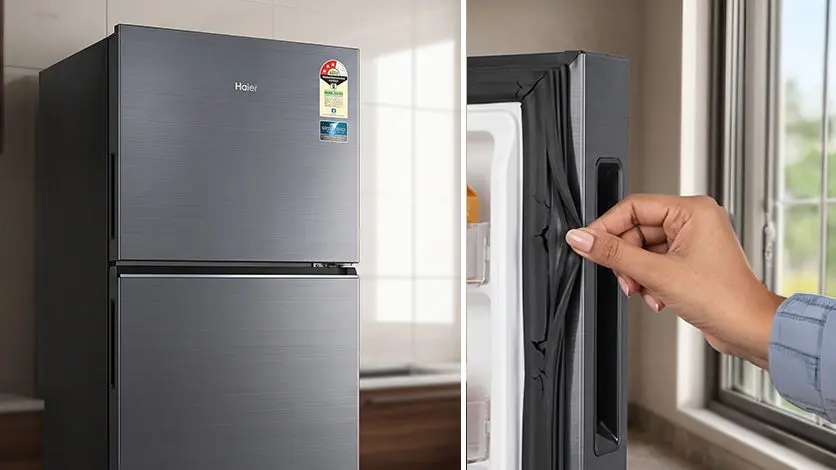
A good cleanup can save a dirty gasket, but no amount of scrubbing can fix physical damage.
It is time to call a technician or order a replacement if:
- You see clear cracks, splits, or tears in the rubber.
- Sections of the gasket are permanently warped or flattened.
- The door feels loose and fails to stay shut firmly.
- You can see physical gaps when the door is closed.
- Droplets of condensation constantly form around the outside of the door.
- Your refrigerator runs non-stop and works harder than usual.
A broken seal ruins the airtight environment your appliance needs. Replacing a worn-out gasket is much more effective than constantly trying to clean or reshape ruined rubber.
How Haier Refrigerators Support Everyday Care
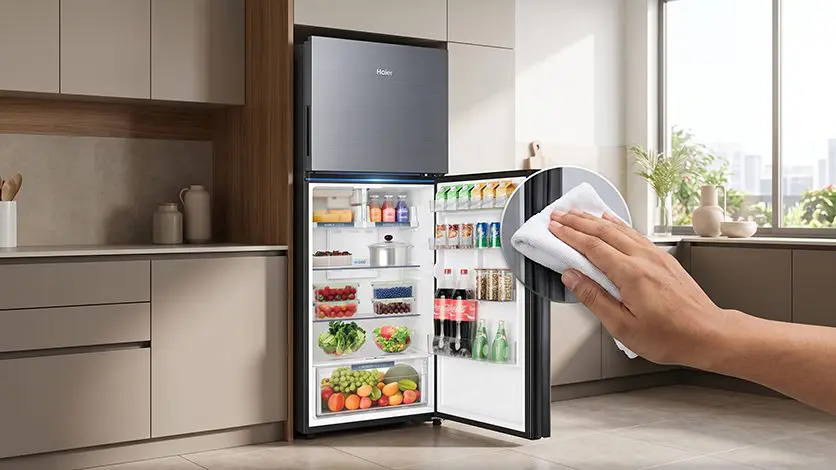
Haier builds refrigerators to fit seamlessly into busy households. Every model features layouts and cooling designs that keep your food fresh while making routine maintenance as straightforward as possible.
No matter which specific model is sitting in your kitchen, taking care of the door gasket is a foundational part of its upkeep. Keeping that seal clean, dry, and perfectly lined up ensures the door closes tightly every single time, which keeps your cooling performance running at its absolute best.
Because you interact with the gasket every single time you grab a snack or a drink, staying on top of refrigerator door seal maintenance pays off massively. Spending just two minutes on it today stops dirt and trapped moisture from turning into expensive problems tomorrow.
Final Thoughts
That refrigerator door seal might look like a simple, boring strip of plastic, but it actually handles a huge job. Having a clean, unbroken gasket is what locks in the frosty environment your fridge relies on to keep your groceries safe and fresh.
By committing to regular refrigerator door seal cleaning, closing the door gently, and keeping an eye out for wear, you will easily dodge mould, bad smells, and early appliance breakdowns. If you are dealing with a gross, moldy fridge seal right now, scrub it down immediately and check the rubber for structural damage. If it is already cracked or losing its grip, skipping the cleanup and getting a professional replacement is the smartest move.
FAQs
Why are door seals especially vulnerable in Indian kitchens and how does Haier design them?
Indian kitchens deal with heavy humidity, oil splatters, and spices like turmeric, which can degrade rubber fast. To fight this, Haier uses heavy-duty, anti-fungal gaskets designed to resist grease buildup and lock out intense ambient heat.
What simple step helps keep rubber door gaskets pliable after cleaning?
After wiping it dry, rub a tiny drop of olive oil or petroleum jelly along the seal. This keeps the rubber moist and stretchy, stopping it from getting brittle and cracking over time.
How does a damaged or dirty refrigerator door seal increase electricity bills?
When the seal fails, cold air constantly leaks out while warm room air seeps in. This forces your fridge compressor to work overtime to keep your food cold, draining way more power and spiking your monthly bill.
How do Haier refrigerators maintain energy efficiency when door seals remain clean and tight?
A pristine, tight seal perfectly locks in the cold, meaning the compressor does not have to run non-stop. Haier’s smart inverter technology can then cycle down to a low-power mode, keeping food fresh while using barely any electricity.
What are the best household ingredients for cleaning fridge door seals safely?
Skip the harsh chemicals and just mix warm water with a few drops of mild dish soap. If you are battling stubborn odours, a simple paste of baking soda and water works wonders without drying out the rubber.