
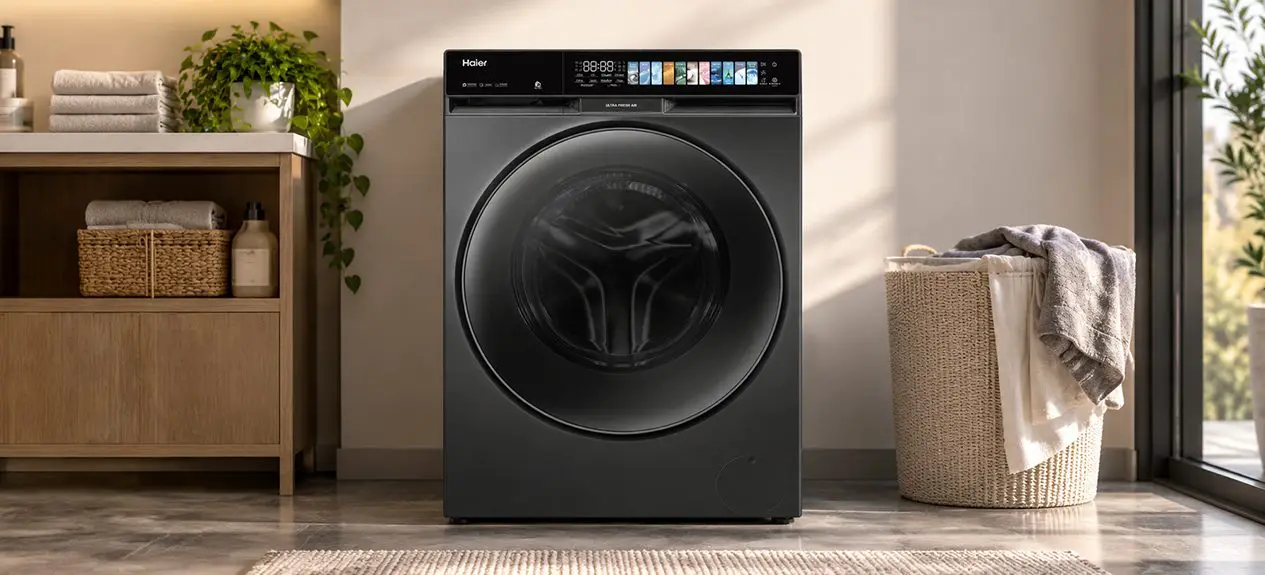

A washing machine can stop working properly for reasons that are easier to fix than you expect. Common washing machine problems often start with a blocked filter, uneven clothes, a loose hose, or weak water flow. The machine may make strange sounds, stop draining, refuse to spin, or simply not start when you need it. Before calling a technician, check a few basic things around the machine.
Washing machine troubleshooting becomes much easier when you know what each problem usually points to. Some faults need professional help, while others can be sorted with simple checks and small adjustments at home without much trouble.
Why Your Washing Machine Is Not Turning On
If your washing machine is not working when you press the button, the issue may not be serious. Start by checking the power, door lock, water supply, and selected settings.
- Power supply: the plug, the socket, and the switch all need to be on. A tripped circuit breaker is a common culprit.
- Door or lid lock: most machines won’t start unless the sensor confirms the door is shut properly.
- Control lock: many panels have a child lock or control lock feature that silently blocks every command.
- Timer or selector switch: on semi-automatic models, a faulty timer knob stops the cycle before it begins. A loose or unresponsive dial often needs replacing.
Run through these four before assuming a bigger fault.
Why Your Washing Machine Is Not Spinning
Spin failure has a shorter list of causes than most people expect. An unbalanced load is the most frequent one. Heavy items like blankets or jeans clump on one side of the drum, and the machine’s safety sensor halts the spin to prevent damage. Redistribute the load evenly and restart the cycle.
A faulty lid switch causes the same symptom on top-load machines, since the machine reads the lid as open even when it is not. Overloading beyond rated capacity also stops proper spinning. Less commonly, a worn drive belt or motor coupling is to blame, and that one needs a technician.
Why Your Washing Machine Is Not Draining
Water left inside the drum after a wash cycle usually means the machine cannot drain properly. Lint, coins and small bits of fabric can build up over time so a blocked filter is often the first thing to check. Clean it every couple of weeks to keep water flowing without any trouble. A quick look at the drain hose is also necessary, as a kink or crushed part can restrict the flow. Occasionally, debris can clog the pump and hinder drainage.
You could probably clear the blockage and solve the problem with a little effort. Haier front-load models with a Magic Filter trap lint before it reaches the pump, helping reduce such problems.
Want a step-by-step fix for standing water in the drum?
Read this blog: 5 Fast Ways to Fix a Washing Machine Not Draining Water
What Causes Excessive Noise or Vibration
Fixing washing machine vibration starts with the floor, not the machine. An uneven surface makes the whole unit rock during the spin cycle, and that rocking is what people hear as loud banging. Use a spirit level to check, then adjust the machine’s feet until it stands level.
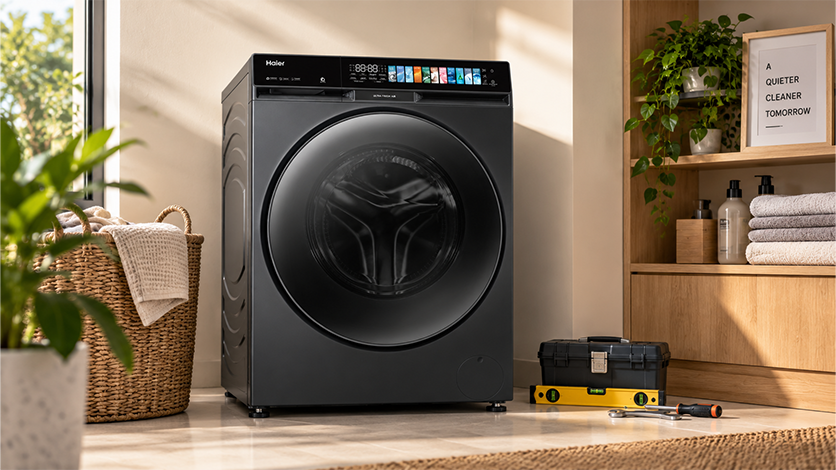
If the machine is new, transit bolts left in place during installation are a frequent cause of a washing machine making noise at high volume. These bolts hold the drum steady for shipping and must be removed before first use. An unbalanced load contributes here too. Worn motor mounts are the deeper mechanical cause and call for professional inspection. Haier’s Direct Motion Motor connects directly to the drum with fewer moving parts between them, which by construction lowers the vibration a belt-driven motor tends to produce over time.
What Causes Water Leaks From a Washing Machine
A washing machine leaking water is usually traced to one of four points. The door gasket on front-load machines wears down with age and starts letting water escape during the wash. Inspect it for cracks or a loose fit.
Loose hose connections at the back of the machine are another common source, and tightening the clamps often solves it outright. Using more detergent than a load requires creates excess foam, which can force its way past seals it would otherwise never reach. Haier’s Smart Dosing feature calculates the exact detergent amount for load size and fabric type, keeping foam within a manageable range. A cracked drain pipe is the least common cause but the one most likely to need replacement.
Your Washing Machine Is Not Filling With Water
When your washing machine does not fill, or water enters even when it is switched off, check the water supply first. Make sure the tap is fully open, and the pressure is strong enough for normal filling. A partly closed tap can reduce flow and make the machine show an error. The small mesh filter where the hose connects can also collect dirt and sediment over time, so clean it during regular maintenance. If water keeps entering with the machine turned off, the inlet valve may be stuck open and not sealing properly. In that case, replacement is usually needed to stop the flow.
Common Error Codes and What They Actually Mean
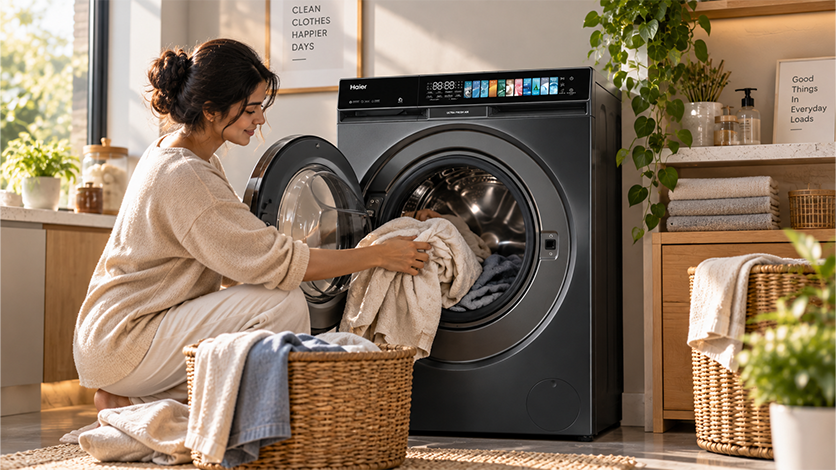
Modern automatic machines display short alphanumeric codes when something needs attention, and these codes group into a few broad categories rather than hundreds of unique meanings.
| Code type | What it usually signals | First check |
| Door or lid codes | The door isn’t sensed as closed | Reopen and firmly shut the door |
| Drainage codes | Water isn’t leaving the drum | Clean the filter, check the hose |
| Water supply codes | Water isn’t entering as expected | Check the tap and inlet valve |
| Load or spin imbalance codes | The drum detects uneven weight | Redistribute the load |
A commonly cited example is error code U6, which on many machines relates to a load or spin sensing fault, and the fix typically starts with rebalancing the wash. Treat a code as a starting point for diagnosis, not automatic proof that a technician is required. Haier’s AI Wash function reduces how often imbalance codes appear, since it reads load weight and adjusts the cycle before spin begins.
When It’s Time to Call a Professional
Some faults sit outside the range of home fixes. Call a technician for:
- Motor or electrical faults, including burning smells or sparking
- Error codes that persist after checking the basics above
- Grinding or bearing noise from inside the drum during spin
- Any repair still covered under warranty, since opening the machine yourself can affect that coverage
How Haier Washing Machines Are Built to Handle These Problems
At Haier, we design our washing machines around the faults people report most, not just around wash performance on paper. Our Direct Motion Motor connects directly to the drum, cutting down the vibration and noise that come from belt wear over years of use. This shows up across our front-load washing machines, where models also carry the 525mm Super Drum and a tempered glass door built to resist scratching.
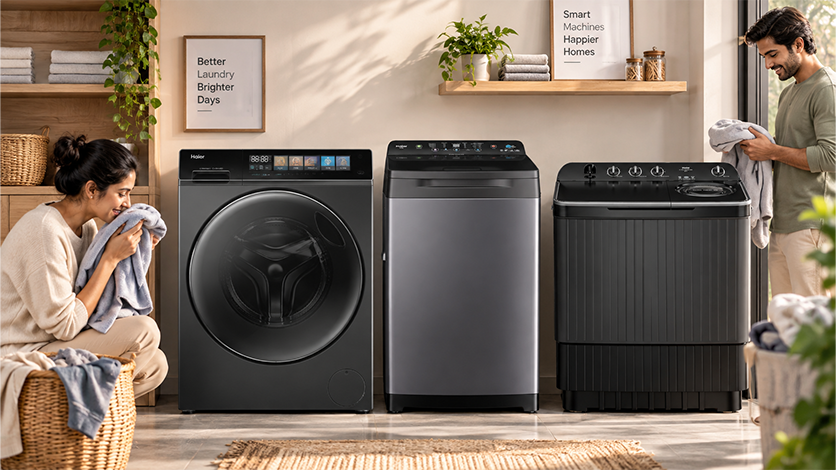
Our top load range takes a related approach to draining and filtration. The Magic Filter and Oceanus Wave Drum work together to reduce lint buildup and handle fabric gently, and several models add Ultra Fresh Air circulation to prevent musty odour after a cycle. Explore this range in our top-load washing machines collection.
For households that prefer manual control over water level and timing, our semi-automatic machines include an Anti-Rat Mesh at the base to protect internal wiring, along with castor wheels for easy repositioning. These machines also include Auto Restart, so a power cut mid-cycle does not mean starting over. Browse the full lineup in our semi-automatic washing machines range. Across every category, fewer service calls remain the goal.
Conclusion
Not every washing machine problem needs a service call, even when the machine suddenly starts behaving differently. Blocked filters, uneven loads, loose hoses, and worn seals cause many everyday faults. These are usually worth checking before you arrange a repair visit. A filter may need cleaning, clothes may need redistributing, or a loose hose may need tightening properly. Still, some problems should not be handled without proper knowledge. If you notice engine malfunctions, a burning smell, recurring electrical problems or grinding noises, these could be signs of a more serious problem. If these symptoms persist after the basic checks have been made, the machine should be checked by a qualified technician.
FAQs
What is the most common washing machine problem?
Drainage issues and spin failures top the list. Both usually come from an unbalanced load or a blocked filter rather than a mechanical fault, which is why checking these two points first resolves most reported problems quickly.
Why is my washing machine not spinning?
The leading cause is an unbalanced load shifting weight to one side of the drum, triggering the safety sensor. A faulty lid switch or exceeding the rated load capacity produces the same symptom and should be checked next.
Why won’t my washing machine drain?
A clogged filter is the most frequent reason, followed by a kinked drain hose. Clean the filter regularly and confirm the hose behind the machine isn’t pressed against a wall or furniture restricting the flow.
How do I stop my washing machine from vibrating?
Level the machine on the floor using its adjustable feet, confirm transit bolts were removed after installation, and balance the load evenly. Persistent vibration despite these checks usually points to worn motor mounts.
What do washing machine error codes mean?
Error codes group into categories such as door sensing, drainage, water supply, and load imbalance. They indicate where to start checking, not necessarily that a repair is required, and many resolve once the underlying cause is corrected.
Which washing machine problems can I fix myself?
Power issues, door lock faults, blocked filters, loose hoses, unbalanced loads, and low water pressure are all fixable without a technician. Motor faults, electrical issues, and persistent error codes need professional attention.