
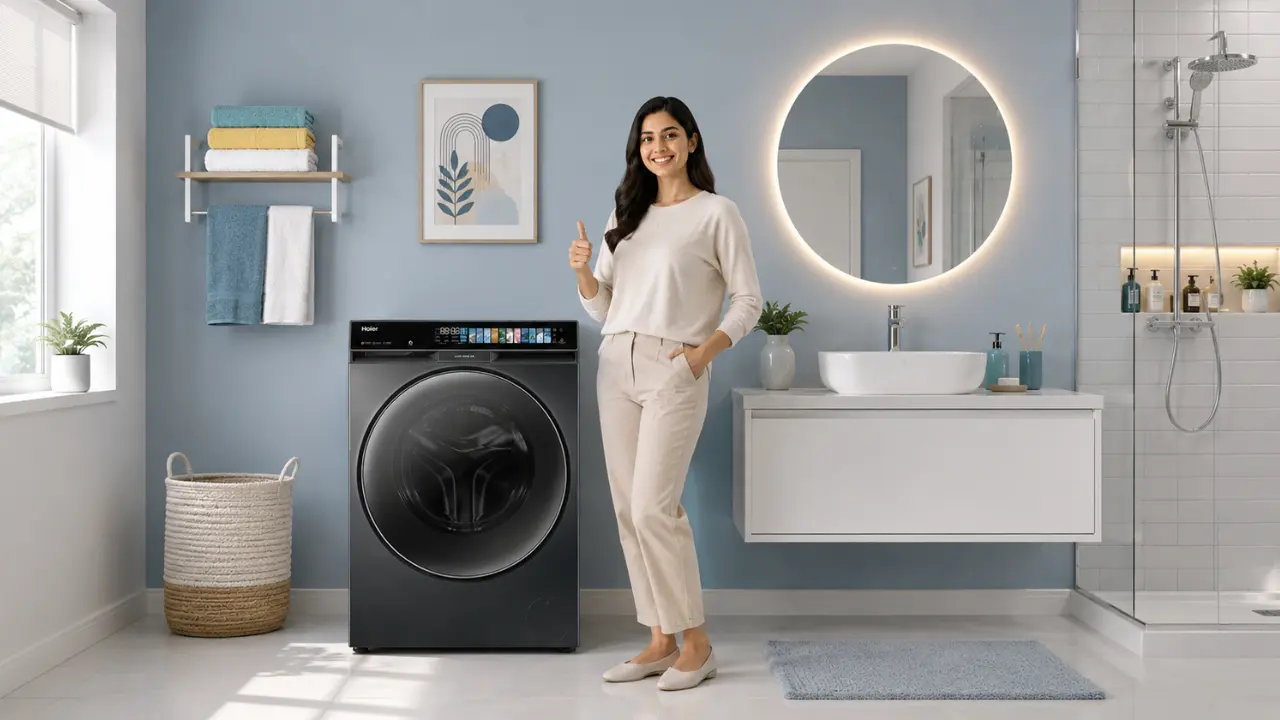

User-friendly appliance interfaces do more than simplify buttons. They reduce friction inside homes.
The best appliance interfaces are not the most advanced ones. They are the ones people understand instantly.
A washing machine that explains itself. An AC remote that does not require a manual. A refrigerator display that feels intuitive at 11 PM when someone is half-asleep looking for cold water. Good interface design turns technology into calm.
Most people notice appliances only when something goes wrong.
The microwave refuses to start.
The washing machine flashes symbols nobody understands.
The AC remote has fifteen buttons, but only three matter.
And suddenly, a machine designed to save time starts consuming attention instead.
That is the hidden cost of bad interfaces.
Not confusion alone.
Mental fatigue.
Because modern homes already process too many decisions every day.
What to cook.
What to wear.
Which meeting matters.
Which school form is pending.
Whether electricity usage crossed the monthly threshold.
A complicated appliance adds one more cognitive burden to an already crowded system.
A simple appliance removes one.
That difference matters more than specifications now.
Why Appliance Interfaces Matter More Than Ever
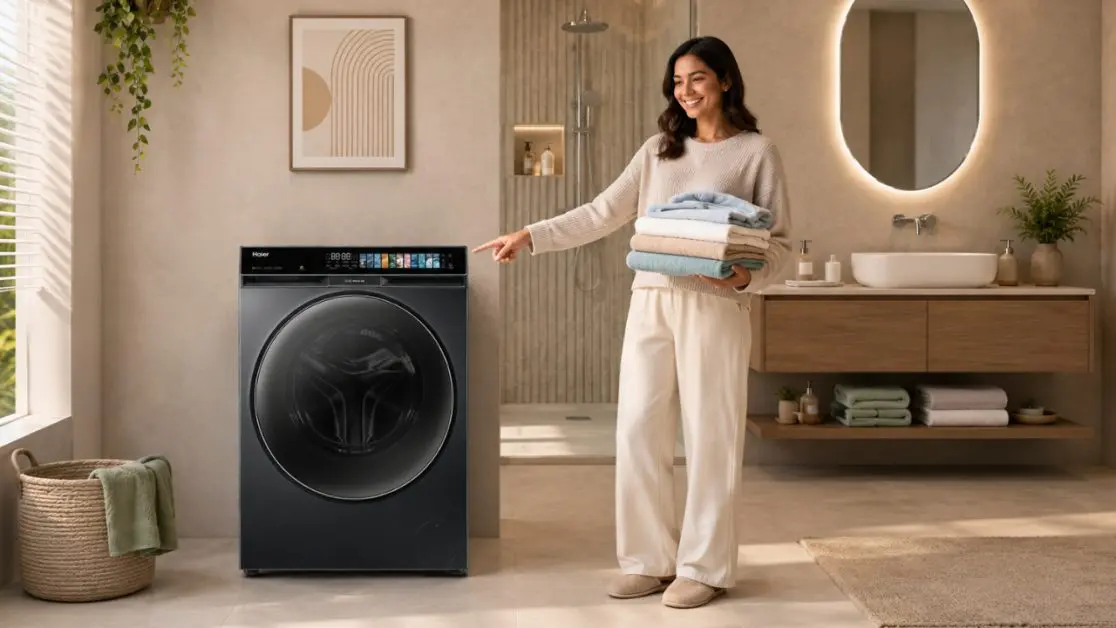
A decade ago, appliances were mostly mechanical systems.
Today, they are behavioural systems.
Modern refrigerators manage cooling zones. Air conditioners monitor room conditions. Washing machines optimize water flow, temperature, and fabric care automatically. Smart TVs connect entertainment ecosystems into one screen.
Technology has become smarter.
But something unexpected happened too.
Users became less patient.
Not because people are lazy.
Because attention became expensive.
A confusing interface feels like standing in a supermarket where every aisle is unlabeled. Eventually, people stop exploring and default to the safest option repeatedly.
That happens inside homes too.
Many families use only one washing mode despite owning machines with fifteen programs. Many AC owners never activate energy-saving features because the controls feel intimidating.
The feature exists.
The usability does not.
And unusable innovation behaves exactly like absent innovation.
The best interface is the one people stop noticing
Think about a good light switch.
Nobody admires it.
Nobody studies it.
Nobody watches tutorials about it.
It simply works.
The same principle applies to modern appliances.
Good interfaces disappear into behaviour.
That is why touch panels, AI-assisted controls, voice-enabled settings, and guided displays are becoming more important across Indian households. Not because they look futuristic. Because they reduce uncertainty.
A smart appliance should not make users feel less smart.
Indian Homes Operate Differently
Most appliance design discussions ignore one reality:
Indian homes are multi-user systems.
One washing machine may be used by:
- Parents
- Grandparents
- Teenagers
- Domestic helpers
- Guests during festive seasons
That changes everything.
An interface designed only for tech-savvy users fails half the household.
A user-friendly appliance succeeds across generations.
This is why large icons, bilingual instructions, responsive touch controls, guided indicators, and simplified workflows matter deeply in India.
Especially during high-pressure moments.
Festive homes expose interface problems quickly
Diwali preparation is not gentle on appliances.
The washing machine runs continuously.
The refrigerator opens every few minutes.
The microwave reheats multiple dishes repeatedly.
The AC works longer because guests keep arriving.
During these moments, nobody wants complexity.
People want systems that cooperate.
One-touch modes matter more during chaos than during calm.
That is the hidden truth behind interface design:
Good interfaces perform best under pressure.
The Difference Between Feature-Rich and Human-Friendly
Credits: Haier India,
Many brands still confuse complexity with innovation.
More buttons.
More menus.
More blinking indicators.
But more options do not automatically create better experiences.
A restaurant with a 25-page menu often creates slower decisions than a focused one.
Appliances behave similarly.
Three kinds of appliance interfaces now exist
1. Mechanical Simplicity
Knobs.
Switches.
Basic physical controls.
Reliable. Familiar. Easy for older users.
But limited.
2. Digital Complexity
Large feature sets with layered menus.
Technically powerful.
Emotionally exhausting.
Users often ignore advanced functions completely.
3. Assisted Simplicity
This is where modern appliance design is moving.
Interfaces that guide behaviour instead of overwhelming users.
Examples include:
- Auto-suggested wash modes
- AI climate adjustment
- Smart cooling indicators
- Minimalist touch displays
- Memory-based usage settings
- One-tap cleaning programs
The system thinks harder so the user thinks less.
That is intelligent design.
Why Millennials and Gen Z Care About Interface Design
Younger Indian households grew up using smartphones before appliances became smart.
That changes expectations.
People now expect:
- Swipe-like responsiveness
- Minimal learning curves
- Clean visual design
- Clear feedback systems
- Fast setup experiences
A slow interface feels outdated instantly.
But there is another layer too.
Modern users increasingly associate interface quality with trust.
If the interface feels chaotic, people assume the internal engineering is chaotic too.
That may not always be technically true.
But emotionally, it matters.
Because interfaces are the visible layer of invisible systems.
A clean interface signals operational confidence
Luxury hotels understand this principle well.
The best hotel room controls feel obvious immediately.
Lighting.
Temperature.
Privacy controls.
No instruction manual required.
Premium appliances increasingly follow the same philosophy.
Not louder technology.
Calmer technology.
How User-Friendly Interfaces Save More Than Time
Most people think usability is about convenience.
It is also about efficiency.
A confusing appliance creates operational waste.
Examples:
- Incorrect wash cycles damage fabrics
- Wrong temperature settings increase electricity usage
- Poor refrigerator controls affect food freshness
- Complicated microwave settings discourage usage
- Difficult cleaning modes reduce appliance hygiene
A good interface changes behaviour patterns quietly.
That is the real power.
Small interface decisions create large household effects
Consider these examples:
- A clearly visible energy-saving mode increases usage frequency
- A simple child lock reduces accidental interruptions
- Guided maintenance alerts improve appliance lifespan
- Smart notifications reduce overcooling or overwashing
Tiny interaction improvements compound over years.
Like interest.
Or habits.
Good interfaces are compound convenience systems.
Haier’s Approach Reflects a Larger Shift in Appliance Thinking
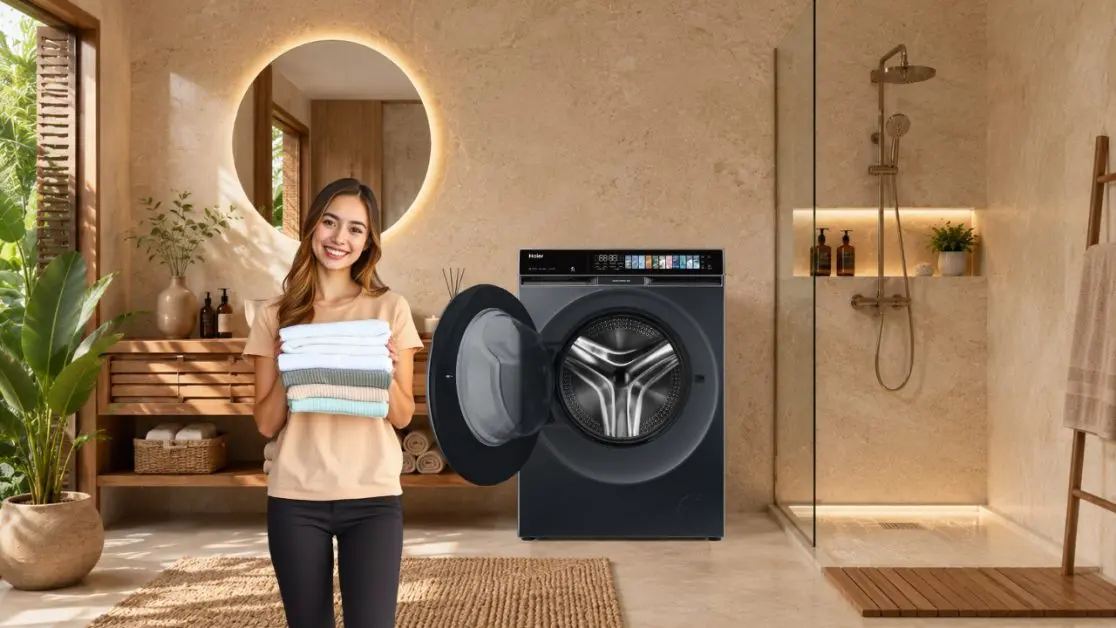
Modern appliance brands are no longer designing products alone.
They are designing interactions.
That distinction matters.
Products occupy physical space.
Interfaces occupy mental space.
Haier India’s newer appliances increasingly reflect this shift toward intuitive interaction. Models like the Haier 12 Kg F11 Front Load Washer and Haier 10 Kg F9 Pro Front Load Washer focus not only on washing performance but also on simplified user journeys through intelligent controls, touch-based interaction, and AI-supported usability.
Because a premium appliance experience is rarely about one feature.
It is about reducing friction repeatedly.
Quietly.
Consistently.
The invisible design principle behind modern homes
The best technology often feels invisible.
Not absent.
Invisible.
People rarely praise elevators for “working.”
They only notice them when they fail.
Home appliances are entering the same phase.
The future of appliance innovation is not just raw capability.
It is emotional.
What Makes an Appliance Interface Truly User-Friendly?
Not aesthetics alone.
Not touch panels alone.
A genuinely useful appliance interface usually includes five things:
1. Clarity
Users immediately understand what each option does.
No guessing.
2. Feedback
The appliance responds clearly to user actions.
Lights.
Sounds.
Status indicators.
Small confirmations reduce anxiety.
3. Predictability
The same action creates the same outcome consistently.
Predictable systems create trust.
4. Accessibility
Different age groups can use it comfortably.
Not just digital natives.
5. Reduced Decision Fatigue
Good systems remove unnecessary choices.
Not every wash requires fifteen decisions.
Sometimes “Quick Wash” is enough.
That simplicity is not laziness.
It is respect for attention.
The Hidden System Behind Great Appliance Design
Most people think appliances compete on hardware.
Increasingly, they compete on comprehension.
Which machine feels easier to live with?
Which interface reduces hesitation?
Which system fits naturally into everyday routines?
Because homes are coordination systems.
And appliances either reduce friction or create it.
A refrigerator interface affects morning routines.
An AC remote affects sleep quality.
A washing machine panel affects household rhythm.
Tiny interactions shape the emotional atmosphere more than people realise.
That is why user-friendly interfaces matter.
Not because they look modern.
Because they make homes feel calmer.
And calm is becoming one of the most valuable design features in modern Indian life.
The Future of Appliances Will Feel Less Like Machines and More Like Good Assistants
The next generation of appliances will not win through complexity.
They will win through clarity.
Fewer confusing settings.
More contextual intelligence.
Less instruction-reading.
More intuitive behaviour.
The best appliance interface is not the one with the most features.
It is the one people trust instantly.
Because technology succeeds when it disappears into life.
And the smartest homes rarely feel complicated.
Frequently Asked Questions
Why do I feel irritated when my appliance has too many buttons?
Every unclear button adds a small decision. A user-friendly interface reduces that mental load and makes the appliance feel easier to live with.
Why do I keep using only one mode on my washing machine even though it has many programs?
Most people do this when the interface feels confusing. If the machine does not clearly explain each mode, users naturally choose the safest familiar option.
I don’t want to read a manual every time I use an appliance. What should I look for?
Look for clear icons, simple labels, guided displays, one-touch modes, and predictable controls that make sense immediately.
Why is a simple appliance interface better for busy homes?
Busy homes already involve many daily decisions. A simple interface removes friction instead of adding another task to think about.
My parents and domestic helper also use the same appliances. Why does interface design matter?
Indian homes are often multi-user spaces. A good interface should work for grandparents, teenagers, helpers, and guests without needing repeated explanations.
Why are large icons and bilingual instructions useful in appliances?
They make the appliance easier for different age groups and language comfort levels, especially in shared Indian households.