
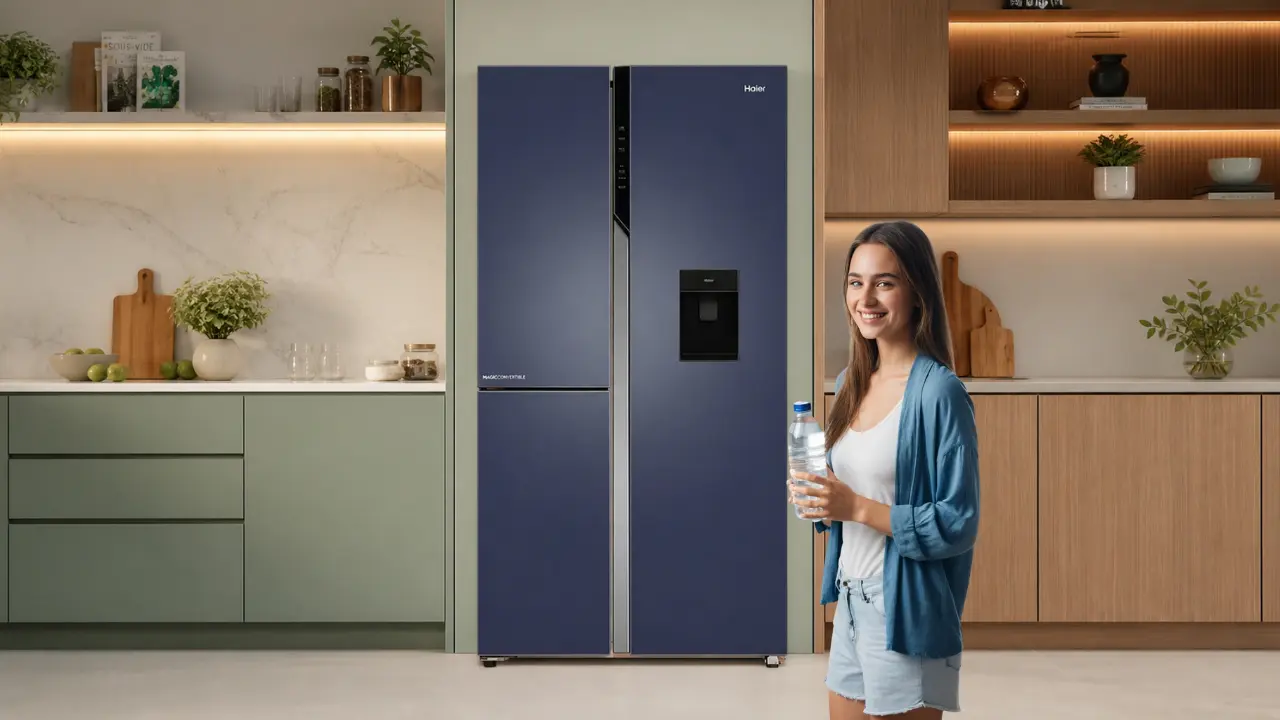

The right water dispenser for Indian climate is one that balances cooling performance, hygiene, power efficiency, and daily usage patterns.
In hot regions, faster cooling and larger storage matter. In humid areas, hygiene and anti-bacterial systems matter. The best choice is not the most advanced one. It is the one that quietly fits your daily life.
The 3 PM reality most buying guides ignore.
It is peak summer.
The fan is on. The AC is trying. Someone walks into the kitchen and opens the fridge for cold water.
Again.
And again.
This is not a hydration problem. It is a system problem.
Indian homes do not just need cold water. They need accessible, consistent, and fast cooling water. Especially when temperatures cross 40°C.
That is where a water dispenser stops being a luxury.
It becomes infrastructure.
Why Indian Climate Changes the Buying Decision
India is not one climate. There are many.
- North India faces extreme dry heat
- Coastal cities deal with humidity and moisture
- Tier 2 and tier 3 cities face voltage fluctuations
- Urban homes deal with limited space
A water dispenser in India is not just a convenience device. It is a stress-tested system.
One Decision, Three Real Options
Let’s simplify the clutter.
1. Basic Storage Dispenser
- No cooling
- No power requirement
- Manual dispensing
Cost: Low
Benefit: Works without electricity
Limitation: No temperature control
Best for low usage or cooler regions.
2. Cooling-Only Electric Dispenser
- Provides chilled water
- Uses compressor or thermoelectric cooling
- Requires external water purifier
Cost: Mid-range
Benefit: Quick cooling
Limitation: Limited hygiene features
Best for working professionals and small families.
3. Multi-Function Water Dispenser
- Hot, cold, and normal water
- Built-in hygiene systems
- Higher capacity and faster cooling
Cost: Premium
Benefit: Complete convenience
Limitation: Needs regular maintenance
Best for families and high-usage households.
What Actually Matters in Indian Conditions
Forget features. Focus on outcomes.
| Factor | Why It Matters in India | What to Choose |
| Cooling Speed | High summer demand | Compressor cooling |
| Storage Capacity | More water consumption | 3L to 5L or higher |
| Hygiene | Humidity increases bacteria | Anti-bacterial systems |
| Power Efficiency | Long usage hours | Energy-efficient models |
| Durability | Voltage fluctuations | Stabilizer-free operation |
Insight
Comfort comes from speed. Trust comes from hygiene.
The Hidden Cost of Choosing Wrong
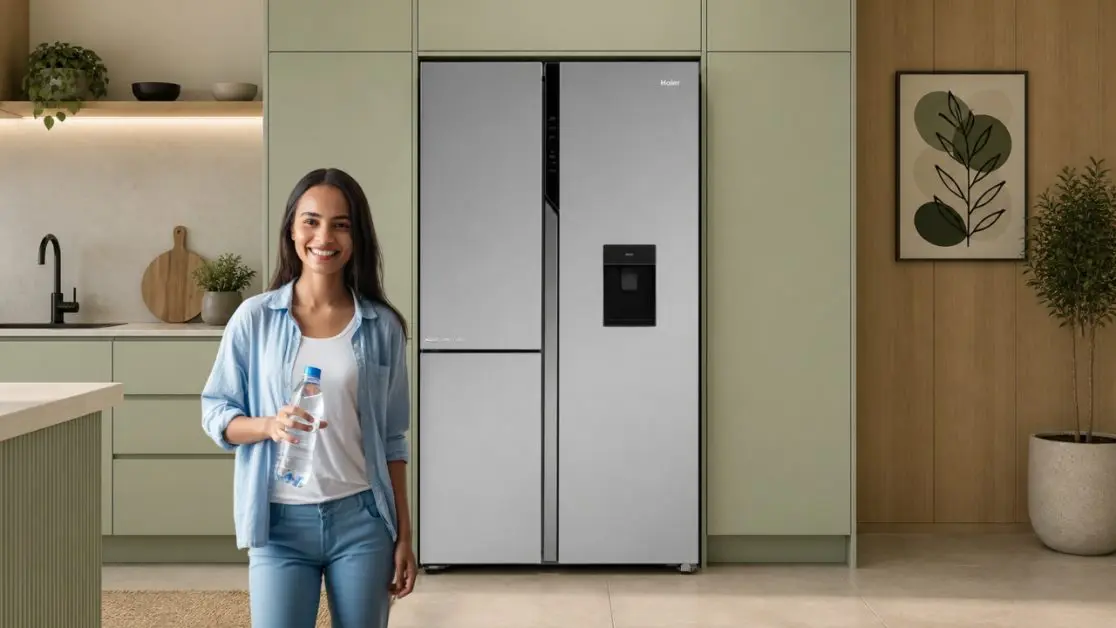
The wrong water dispenser does not fail immediately.
It irritates me gradually.
- Slow cooling during peak heat
- Frequent refilling
- Slightly off taste
- Higher electricity usage
This is the real cost.
Daily friction.
How Climate Shapes Your Choice
Extreme Heat Regions
Choose:
- Faster cooling
- Larger storage
- Strong compressor
Why?
The appliance works continuously.
Humid Coastal Regions
Choose:
- Anti-bacterial protection
- Easy cleaning
- Sealed storage
Why?
Moisture increases contamination risk.
Tier 2 and Tier 3 Cities
Choose:
- Stabilizer-free models
- Durable build
- Simple operation
Why?
Power stability matters more than features.
Urban Apartments
Choose:
- Compact design
- Multi-function capability
- Quiet operation
Why?
Space and convenience drive decisions.
Where Smart Appliances Quietly Fit In
Modern Indian kitchens are evolving.
Appliances are no longer standalone.
They are part of a connected system.
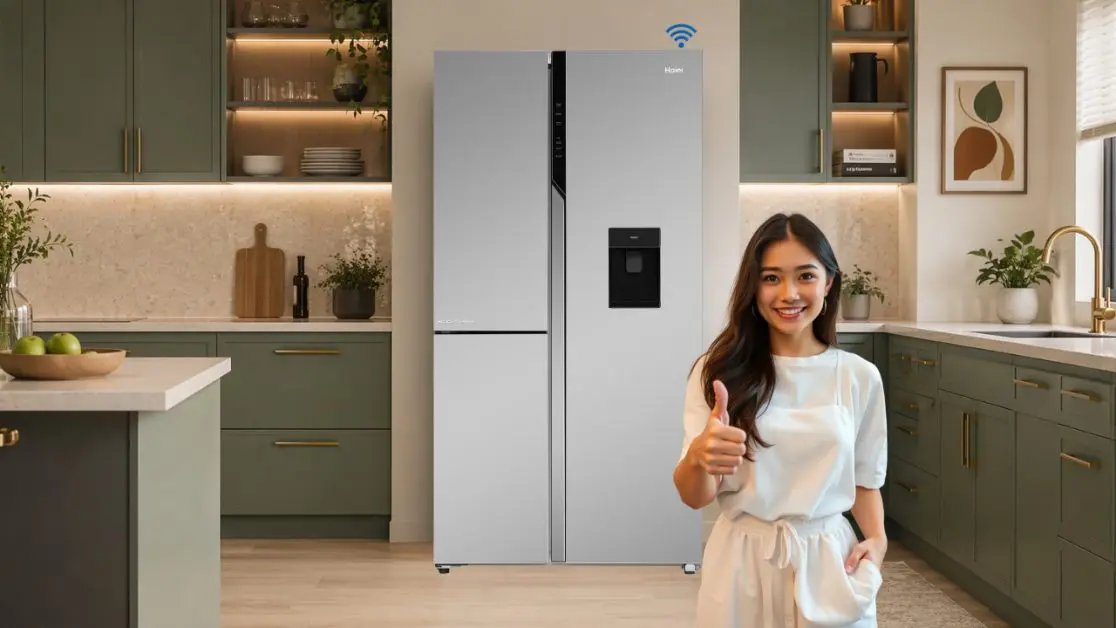
For example, refrigerators like the Haier 598L Black White Glass 3 Door Smart Convertible SBS (HRT-683WISU1) and the Haier 592L Graphite Black 3 Door Smart Convertible Refrigerator (HRT-683WGKU1) come with in-built water dispensers, allowing access to clean water without opening the door.
Some models even offer BPA-free dispensing and dedicated storage for convenience.
This does two things:
- Reduces energy loss
- Makes hydration effortless
The insight
The best appliance is the one that removes a step from your routine.
A Simple Framework That Works
If you are confused, simplify the decision.
Step 1: Understand your usage
- Number of people
- Frequency of cold water consumption
- Need for hot water
Step 2: Understand your environment
- Temperature levels
- Humidity
- Power reliability
Step 3: Match the system
- Low usage → Basic or cooling-only
- Medium usage → Cooling with hygiene
- High usage → Multi-function system
The Trade-Offs, Clearly Explained
Option 1: Budget Models
- Low cost
- Limited comfort
- Minimal features
Option 2: Mid-Range Dispensers
- Balanced performance
- Reliable cooling
- Moderate cost
Option 3: Premium Systems
- Maximum convenience
- Higher investment
- Long-term efficiency
Aphorism
The cheapest option saves money once. The right option saves effort every day.
Why This Decision Feels Bigger Than It Looks
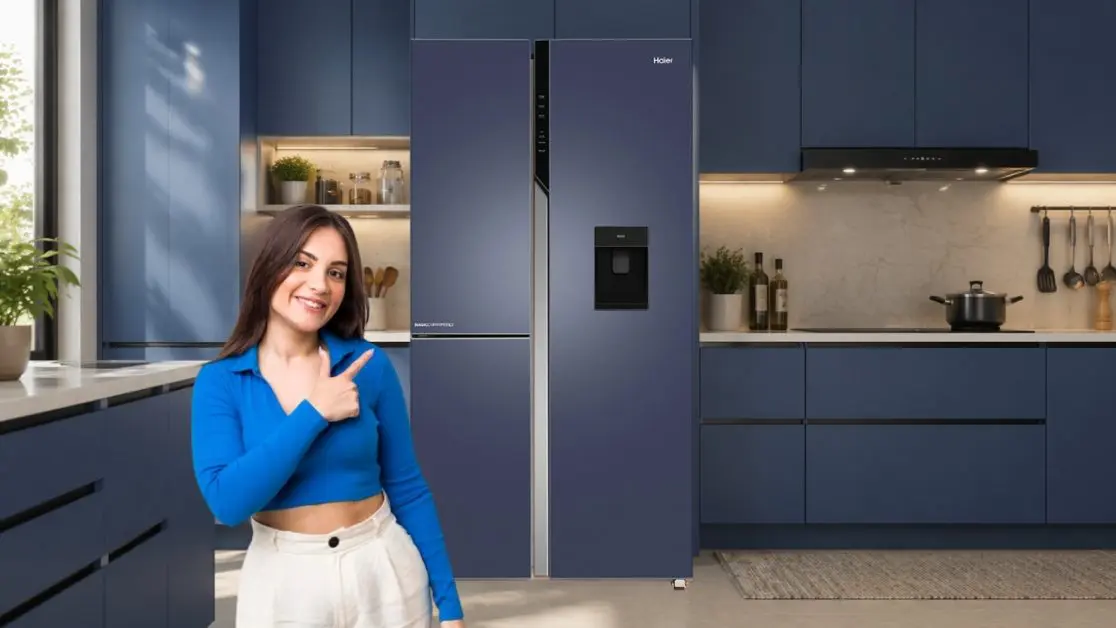
Water is not occasional.
It is constant.
Every glass of water is an interaction.
A slow system creates hesitation.
A fast system creates ease.
Small shift.
Big impact.
The Final Insight Most People Miss
People think they are buying a water dispenser.
They are not.
They are choosing:
- How quickly they cool down after a long day
- How often they open the fridge
- How effortless hydration feels
The appliance is visible. The system is invisible.
And systems define comfort.
One Line You Will Remember
The right water dispenser is not the most advanced one. It is the one that quietly disappears into your routine.
And when that happens, something changes.
The kitchen feels easier.
The day flows smoother.
Life feels just a little more sorted.
Frequently Asked Questions
Feeling overwhelmed choosing a water dispenser?
Start with your daily usage and climate. If you live in a hot place and drink cold water often, a compressor-based cooling model makes sense. If your usage is low, a basic dispenser will do just fine. The goal isn’t to chase features, it’s to match your routine.
Do you really need a multi-function (hot + cold) dispenser?
If you regularly make tea, coffee, or have a family using it throughout the day, it’s genuinely useful. Otherwise, a cooling-only model is more cost-efficient and simpler to maintain.
What’s the simplest way to choose without endless comparisons?
Use this quick shortcut:
Low usage → Basic / cooling-only
Medium usage → Cooling + hygiene features
High usage → Multi-function system
Are you overthinking it, or does it matter long-term?
It actually matters more than it seems. A poor choice leads to daily annoyances, slow cooling, frequent refills, or inconvenience. Small friction adds up over time.
Are built-in water dispensers in refrigerators worth it?
Yes, especially models like the Haier 598L Black White Glass 3 Door Smart Convertible SBS (HRT-683WISU1) and Haier 592L Graphite Black 3 Door Smart Convertible Refrigerator (HRT-683WGKU1). They reduce how often you open the fridge and make access quicker and easier.
How do smart dispensers improve daily life?
They remove extra steps, no need to open the fridge repeatedly, no waiting around, and less effort overall. It’s about making small daily actions smoother.
Do smart features actually save electricity?
Not directly in a dramatic way, but they help indirectly by reducing door openings and optimizing how the appliance is used.
Compact vs full-size dispenser, what’s better?
For most apartments, a compact + multi-function model hits the sweet spot. It saves space while still covering everyday needs.